

Trying for another pregnancy after persistent recurrent miscarriages can spark or fuel hope in a person who has a deep desire for children, but the anxiety of experiencing another miscarriage spikes stress. Instead of running a looped marathon of trying for a child, it’s okay to take a pause and analyse the problem.
Recurrent miscarriages can be a sign that something has to be corrected for the embryo to be successfully implanted and for the body to sustain the pregnancy to full term, which is why doctors advise taking a course of highly targeted tests so that they can identify the root cause and provide treatment before the test. The patient may undergo various diagnostic measures and can proceed with treatment options so that it increases the chances of being able to get pregnant.
Here is a blog that explains the various causes, the diagnostic measures, as well as treatments for the unexplained recurrent miscarriage evaluation that a patient may undergo.
What makes miscarriages persistent?
Genetic problems
Genetic problems occur when the male and female gametes combine for human development. It could be a case where there are few chromosomes for the baby or a wrong order of genes. In most cases, this cause can happen once but becomes a recurrent problem if either of the partners has an existing abnormality in the chromosome structure.
Blood clotting conditions
Some individuals may have an underlying abnormality that leaves them prone to blood clotting. During pregnancy, the individual may be vulnerable to forming blood clots due to a change in blood flow; as such, the embryo may receive a low supply of blood from the placenta, and the clotting may also hinder early implantation.
Cervical weakness
In normal cases, the cervix is firmly closed and surrounded by mucosal substances, which is supposed to naturally open during childbirth. In a case where a patient has a weak cervix, they are susceptible to a miscarriage because the cervix has no firm hold and can easily relax, letting the baby flow out before it’s the actual time; this can happen due to fetal pressure, premature dilation or membrane protrusion.
Age
Advancing in age leads to natural degradation of the egg’s or sperm’s quality, which affects the chromosome structure. It is also a leading cause of the aging of the woman’s reproductive system, mainly the uterus, and a great shift in hormones. In such cases, the embryo may face various problems related to its quality, an inability of the uterus to sustain the fetus or a hindrance to implantation due to hormonal problems.

Hormonal problems
Hormones are an important factor in preparing the uterus for implantation and maintaining the uterine walls. The patient may experience other underlying problems that affect their production of hormones, which directly affects their chances of sustaining a pregnancy.
The balance of cells in your womb
The uterus has the ability to develop into a safe home for pregnancy through the development of a thick lining that is produced through the development of cells and stem cells. The lining of the uterus is highly dependent on the consistent supply of endometrial stem cells to promote monthly renewal. A miscarriage can occur due to a shortage of stem cells, premature aging of the stem cells, or other health conditions that cause an imbalance in immune cells.
A patient is experiencing persistent miscarriages; what happens next?
In cases where all diagnostic measures have been taken, and results keep showing no underlying cause. The patient is given an opportunity to decide what to do next; they may decide to allow themselves to heal and keep on trying, or they may proceed with assisted pregnancy, known as surrogacy, to help them carry the child to full term.
How do the doctors identify the underlying cause of the miscarriages?
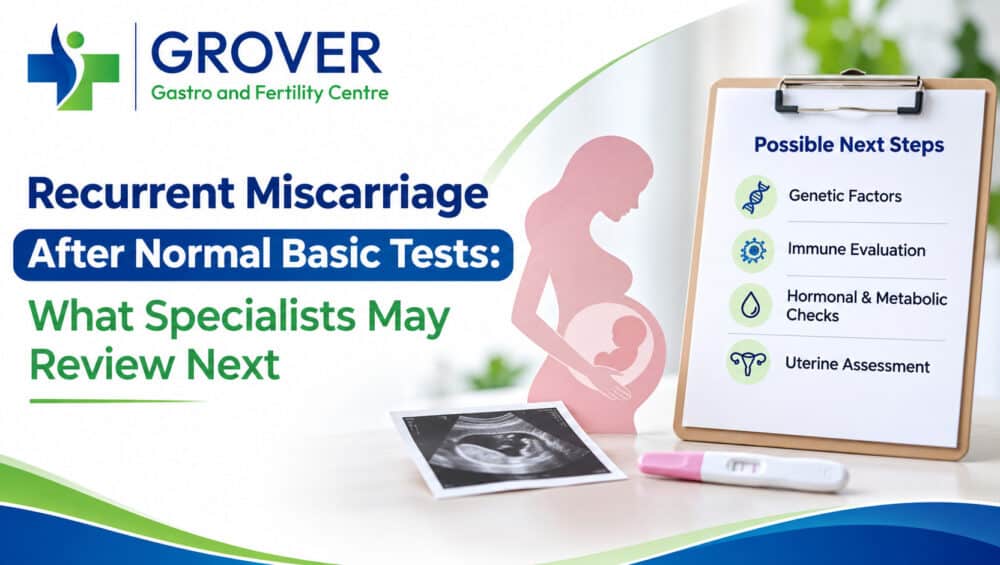
When the patient experiences recurrent miscarriages, they seek fertility procedures and proceed to assess the underlying cause of the problem. These diagnostic measures are highly targeted, detailed and highly personalized, which involve
An evaluation of the patient’s genetics
It’s an assessment of both the male and female gamete structure and quality to screen for any anomaly.
A highly detailed evaluation of the patient’s reproductive structure
The patient undergoes detailed imaging that reveals the structure of their reproductive system to check for any underlying problems that can be hindering implantation or sustenance of the pregnancy.
An evaluation of blood screening for blood clotting
The patient undergoes blood screening to check for any underlying health problems that make the patient vulnerable to blood clotting, which hinders implantation or blood supply to the fetus.
An assessment of hormones and the metabolic system
The doctors carry out tests to evaluate the patient’s hormonal production and levels to check for any hormonal imbalances or issues with the metabolic system, which is highly linked to hormone production.
What kind of treatments can a person receive after identifying recurrent miscarriages?
The patient is provided treatments based on the results from the diagnosis, which may include;
Allowing the patient’s body to rest for some time
This stage does not involve medications or any other procedures but allows the patient to heal emotionally and physically, as well as allowing the pregnancy tissue to pass, which may be associated with some cramping and bleeding. They are placed under observation till the uterus is cleared.
Medical or surgical procedures
The doctors advise on further treatments to ensure the pregnancy tissue passes out completely. Then they may proceed with the treatments for the underlying condition, which may either be medical or involve miscarriage specialists.
Is pregnancy possible after recurrent miscarriages?
It is possible to get pregnant after experiencing recurrent miscarriages, but this is done after addressing the underlying causes. The patient works closely with the doctors throughout the pregnancy period to closely evaluate the progress and keep an eye out for any warning signs.
When to start trying again
This is mainly linked to the underlying cause and whether the patient has physically healed and is still willing to try again. It is clinically okay to start right away if the patient opts for it, or they may opt for the IVF process.
Other gynaecological concerns, such as pelvic inflammatory disease, may need separate assessment for reproductive health, but they should not be assumed to explain recurrent pregnancy loss without appropriate clinical evaluation.
Conclusion
Taking a pause to figure out what the underlying problem is is a strategy that helps doctors come up with highly personalized treatments to increase the chances of carrying a pregnancy to full term. It’s also important to communicate about other options to try during pregnancy, such as surrogacy. An important step is working with a specialist who provides a broad range of diagnostic measures for unexplained recurrent miscarriage evaluation to identify the underlying cause and provide treatment. Dr Vaishali Grover, a fertility specialist at Gastro Grover and Fertility Centre, can guide you through the diagnostic measures to help you through your fertility journey.

FAQ’s
What happens if the pregnancy tissue is not completely cleared out?
The patient may experience prolonged bleeding and cramping, and eventually it may cause an infection.
Can poor chromosomes affect surrogacy?
Poor chromosomes can affect pregnancy, whether they are from the embryo of the surrogate. It leads to difficulties in embryo development or implantation and may also affect the surrogate’s ability to carry the pregnancy to full term.
Does a miscarriage have the capacity to damage the womb?
In normal cases, miscarriages may not cause any damage to the womb, but conditions like infections and poor surgical procedures done for the miscarriage can affect the womb.
What kind of daily habits cause miscarriages?
Habits like smoking, consumption of alcohol, poor diet, and consumption of unsafe drugs increase the chances of miscarriage.
Do hormonal treatments take long?
Hormonal treatments may take weeks or months; this is dependent on the patient’s level of adherence to treatment.