
Heartburn & GERD Treatment in Ludhiana
Consult Dr. Rajiv Grover, a distinguished gastroenterologist in Ludhiana, for comprehensive care and lasting relief from chronic acidity, recurrent heartburn, and GERD.
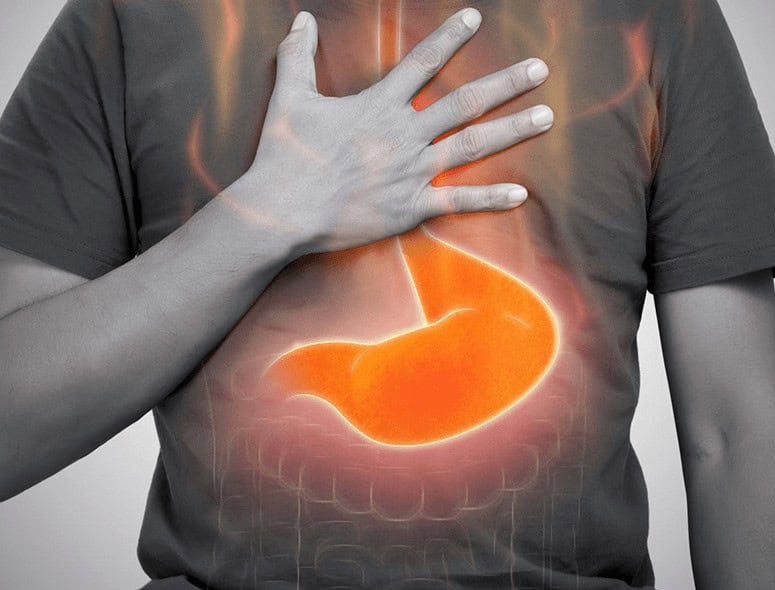
GERD And Heartburn Treatment With Dr. Rajiv Grover What is heartburn and GERD?
From time to time, an individual may experience acid reflux after a heavy meal, which is normal; it becomes abnormal when the reflux is persistent. A consistent reflux of acid is known as Gastroesophageal Reflux Disease (GERD), which affects the Esophagus and causes heartburn. This condition occurs when a ring of muscle at the lower part of the esophagus becomes weak or relaxes. The function of the circular muscle is to keep the esophagus closed to prevent food from streaming back without it; the flow of food contents is disturbed and eventually damages the esophagus. This condition is mainly triggered by obesity, pregnancy, Hiatal Hernia, diet, and unhealthy lifestyle, which cause pressure in the abdomen and force food upward. Unlike the normal acid reflux that can be treated with over-the-counter remedies, the Gastroesophageal Reflux Disease requires expert GERD treatment in Ludhiana to allow experts to diagnose the root cause and to provide prescribed, tailored treatment. At Gastro Grover and Fertility Centre, the expert acid reflux doctor in Punjab has advanced diagnostic equipment and methodologies that provide effective results for therapeutic treatments.
Symptoms of GERD
Heartburn
Persistent burning sensation that worsens after eating
Regurgitation
Experiencing a back-wash of sour or bitter-tasting food and acid into the throat and mouth.
Chest pain
A chest discomfort that is sometimes mistaken for a cardiac problem.
A lump in the throat sensation
An individual may constantly have a feeling of a lump stuck in their throat, which causes discomfort.
Throat irritation
Experiencing asthma symptoms, which include wheezing, shortness of breath, and persistent coughing.
When to see a doctor for heartburn and GERD?
Gastroesophageal Reflux Disease (GERD) should be addressed urgently to stop progression that can damage the esophagus and cause other major problems. Treatments should be done as easily as possible, soon after observing these signs:-
- Persistent vomiting/bloody vomiting
- Unexplained weightloss
- Pain or difficulty in swallowing
Critical Note: If experiencing chest pain that is associated with shortness of breath, jaw or arm pain, it could be a heart attack. Do not ignore the symptoms; get to the nearest hospital as soon as possible.

Treatment Procedures
Dr. Rajiv Grover’s Treatment Approach for Heartburn and GERD
Dr. Rajiv Grover is a trusted Gastroenterologist who has a vast experience in dealing with gastroesophageal reflux disease treatment in Punjab with advanced practices, evidence-based results and providing patient-centric health services. His expertise has helped numerous people in preserving health by providing accurate diagnostic procedures and therapeutic treatment.
Initial consultation
The expert Dr. Rajiv Grover conducts various diagnostic procedures before confirming any treatments. He goes to the patient’s medical treatment, analyses their lifestyle habits, as well as analyses the frequency of the condition. With thorough analysis, the doctor is able to provide the right treatments that address the root cause of the problem.
Advanced Diagnosis
The doctor carries out various diagnostic tests to confirm GERD and heartburn treatment in Ludhiana, in order to check its severity and any other complications the condition would have caused:-
- Upper GI Endoscopy
- High-Resolution Esophageal Manometry (HREM)
- 24-Hour pH Impedance Metry
- X-Ray of the upper digestive tract
- EUS-guided Biopsy for testing complications
Patient-Centric Treatment
Dr. Rajiv Grover ensures that he provides personalized prescribed treatments for all patients to effectively address the condition. The acidity treatment in Ludhiana addresses the symptoms and stops the progression of conditions such as cancer and ulcers. The effective treatments provided help to ensure that health is restored.
- Non-prescription and prescription medications for:
- Relaxing muscles and preventing spasms
- Neutralizing stomach acid
- Esophageal healing
- Blocking acid/reducing acid production
- Therapeutic and Surgical interventions such as:
A surgical procedure called the Transoral fundoplication(TIF) aims at tightening the lower esophageal sphincter muscle.
Laparoscopic Fundoplication to fix a hiatal hernia
Linx device implantation
Endoscopic procedures for upper GI bleed management
Weight loss surgery
- Lifestyle and dietary optimization
Dr. Rajiv Grover ensures that patients are well educated on how to prevent recurrence and encourages lifestyle and dietary changes to sustain a healthy life.
Risks & Complications
The Risks And Complications Of Leaving GERD Untreated
Untreated Gastroesophageal Reflux Disease (GERD) can progress to cause other health problems, which makes treatments complicated, prolongs the healing phase, and can also lead to irreversible damage.
Why Choose Us?
Why You Should Trust Dr. Rajiv Grover For The Best Treatment Of GERD and Heartburn
Leave your gastro and liver care in the expert hands of Dr. Rajiv Grover, proficient in handling complex cases with great comprehension.
01
International-based health protocols
Grover Gastro and Fertility Centre is aligned with international protocols that regulate the standard of effective treatments with the aim of achieving lasting results. As such, the clinic can be trusted to provide high-quality treatment procedures.
02
Evidence- based treatments
Dr. Rajiv Grover provides scientifically proven treatments that have a track record in achieving satisfying, effective results. He is vastly experienced in providing customized treatments that address the root of the condition with precision.

03
State-of-the-art technical facility and treatments
Grover Gastro and Fertility Centre has various advanced facilities that help to give better results for treatments. Dr. Rajiv Grover endeavors to provide treatments that achieve precision, long-lasting results and prioritises the safety of the patient.
04
Patient-centric care throughout the procedures
Grover Gastro and Fertility Centre goes beyond providing treatments, but also aims to ensure that patients receive the care and comfort they need throughout the treatments.

Esophageal strictures (Narrowing of the Esophagus)

Esophagitis (inflammation of the esophageal tissues)

Increased risk of throat cancer

Worsening asthma symptoms

Painful peptic ulcers

Upper GI bleeding
What types of foods trigger acid reflux?
There are a number of foods that can trigger reflux, such as deep-fried food, spicy food and acidic beverages.
You can avoid lying down soon after eating, avoid eating large, heavy meals, avoid smoking, drinking and consuming trigger foods.
It is advised for pregnant women to avoid eating heavy meals, but rather eat small amounts frequently, avoid lying down after eating and bending down.
Eating heavy meals causes the stomach to stretch, which makes the Esophageal sphincter’s muscles relax and allow bitter food and acid to flow back to the Esophagus and throat.