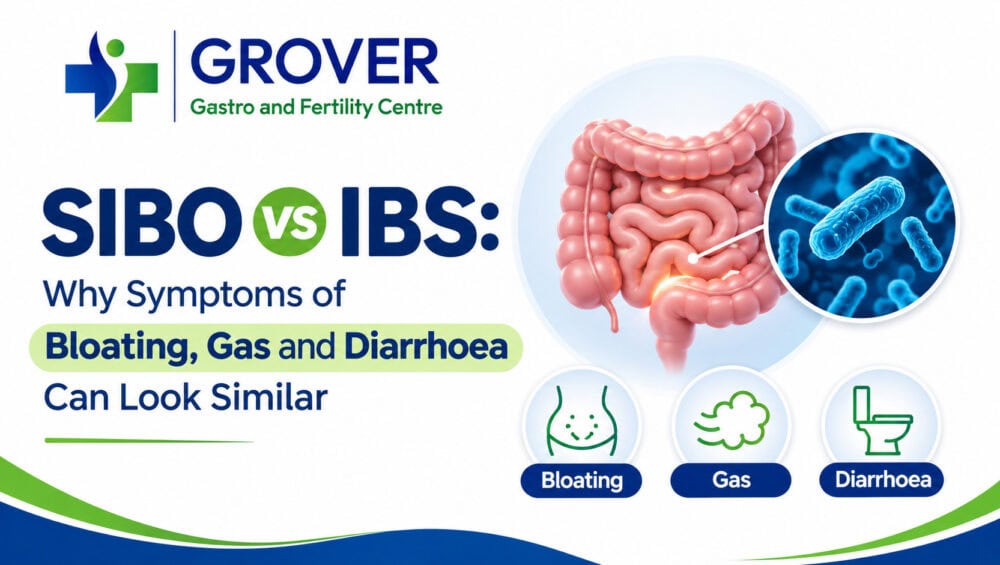
SIBO vs IBS: bloating, gas and diarrhoea comparison for GI health.CategoriesUncategorized

SIBO vs IBS: Why Symptoms of Bloating, Gas and Diarrhoea Can Look Similar

Small intestinal bacterial overgrowth(SIBO) and irritable bowel syndrome (IBS) are different digestive system problems but cause similar symptoms. Causes and treatments are different for both diseases, but the common thing is symptoms that cause confusion in patients, and people get stuck with treatments.
SIBO vs IBS symptoms such as fatigue and brain fog, along with gas and diarrhea, can become difficult to manage. In IBS, the body becomes more sensitive due to pain in the stomach. SIBO vs IBS symptom differences include immune system activation and changes in gut microbes.

Both IBS and SIBO may be related to psychological symptoms, including anxiety and depression are responsible for reducing quality of life. The symptoms for both problems may overlap, and the actual cause may not be found, but doctors can diagnose the differences between SIBO and IBS symptoms with a breath test or by taking a sample of the fluid from your small intestine. 

IBS, that is, irritable bowel syndrome, is a common gastrointestinal condition that can cause symptoms including

SIBO, which is small intestine bacterial overgrowth, is the condition in which there are too many bacteria in your small intestine, and its symptoms widely overlap with IBS and other GI conditions, including:

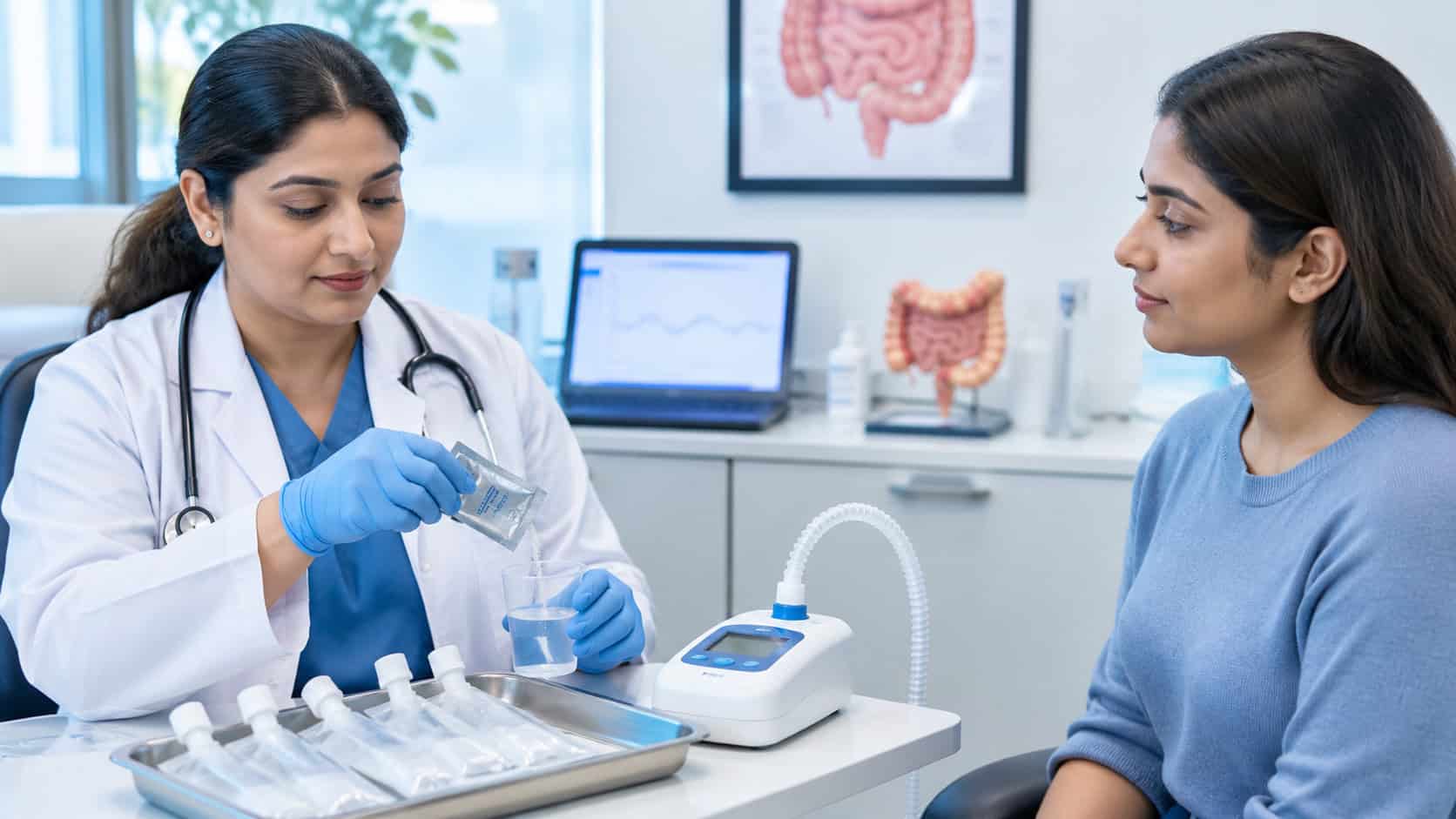
Medical professional showing a patient a dental-like device in a clinic.
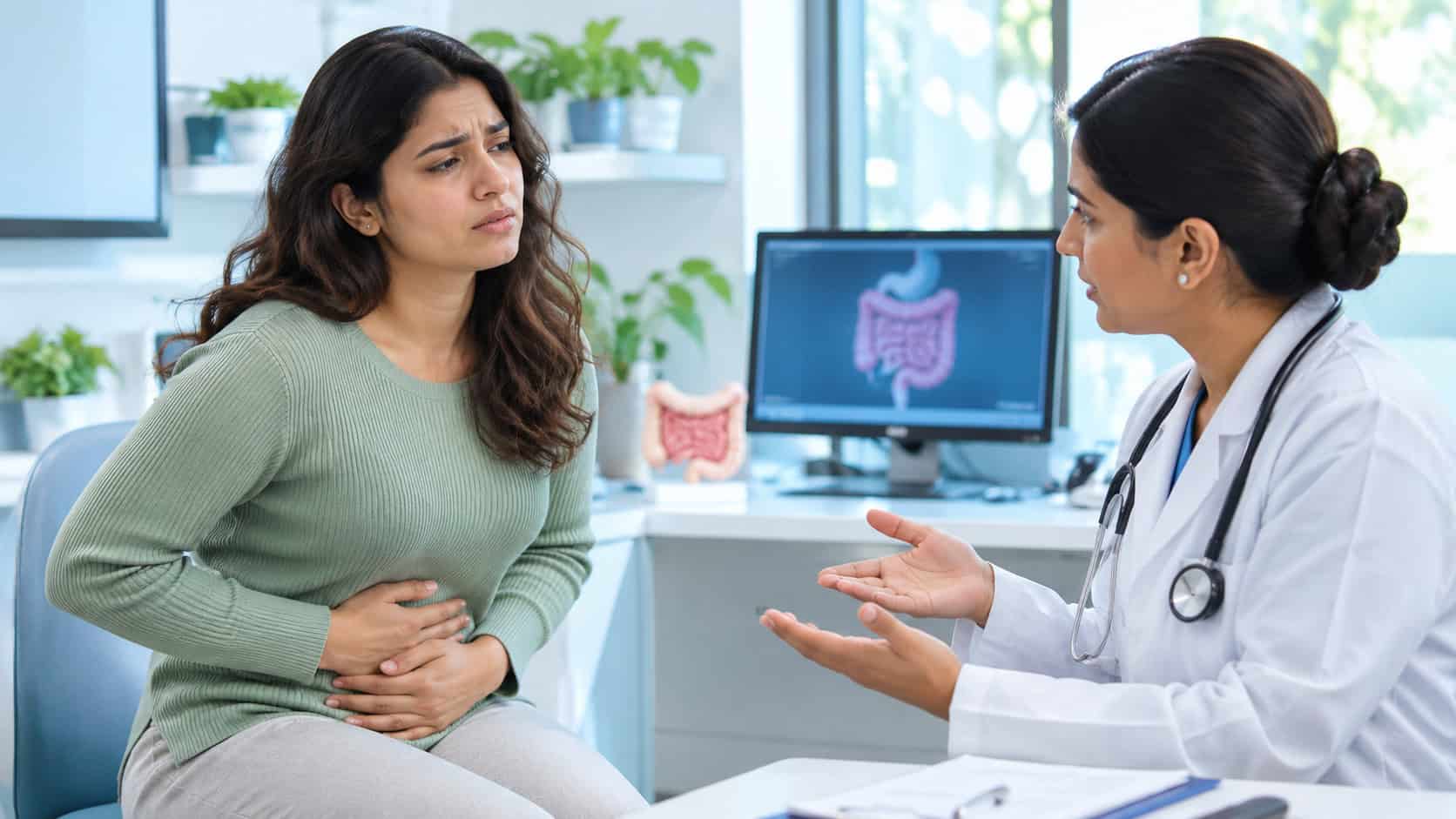
Clinic consultation with gastroenterology specialist and patient in exam room.

What is the difference between SIBO and IBS? 

IBS is a condition in which there is a problem with your brain and gut interactions, and it affects nearly 12% of the people in the United States, but the exact cause is unknown, and it is associated with some conditions, including:

  • Stressful events in early life
  • Bacterial infection 
  • SIBO
  • Food tolerance and sensitivities 
  • Anxiety and depression 

IBS is further divided into different categories

  • IBS with predominant constipation 
  • IBS with predominant diarrhea
  • IBS with mixed bowel habits   

SIBO 

Unwanted growth of bacteria in your small intestine can cause symptoms similar to IBS, such as abdominal pain and diarrhea. But the main reason for SIBO is unknown, and SIBO is associated with conditions that can reduce stomach acid production and small intestine motility, including:

  • Connective tissue disorders
  • Chronic opioid use
  • Diverticulitis 
  • Small bowel adhesions 
  • Diabetic neuropathy

Are The Symptoms Of SIBO And IBS The Same?

The symptoms of SIBO and IBS are not specific and overlap; due to this, many people think that they have both problems, and the symptoms occur in people, including:

  • Abdominal bloating 
  • Excess gas 
  • A feeling of stomach fullness 
  • Abdominal cramping 
  • Dierrhea 
  • Constipation 
  • Fatigue 
  • Weight loss
  • High fat level in stool
  • Nutrient deficiency
  • Difficulty concentrating 

How Can Both Problems Be Diagnosed?  

Your health care provider may perform a physical exam and review your symptoms to diagnose IBS. Apart from that, doctors follow the Rome IV criteria when they have to diagnose, and according to the Rome IV criteria, a diagnosis should be made if a patient has abdominal pain one day or more in a week in the last three months. The criteria may also be followed if a patient has abdominal pain associated with:

  • Pain when having a bowel movement 
  • Frequent changes in your bowel movements
  • Changes in the appearance of your stool

A breath test is done to find out if SIBO is present in patients.

Conclusion

SIBO and IBS are both gastrointestinal conditions with similar symptoms such as diarrhea and abdominal pain. In some cases, people experience IBS with SIBO, but based only on your symptoms, it is not possible to tell whether you are facing SIBO or IBS. To find out whether you are facing SIBO or IBS, doctors may perform tests, including a carbohydrate breathing test or jejunal aspirate culture. 

If you are also struggling with gastro problems and noticing SIBO vs IBS symptoms in Ludhiana, you can book an appointment with Grover Gastro and Fertility Centre. Here, Dr. Rajiv Grover, a senior consultant and renowned gastroenterologist, can provide you with effective treatments for gastrointestinal problems.

Healthy meal with vegetables, yogurt, and tea for gut health.
Balanced meal setup with vegetables, yogurt, and notes for gut health insight.

FAQs

Is it possible that the patient faces both problems at the same time?

Yes, people can struggle with both gastro problems at the same time, but it is not easy to differentiate them based on symptoms alone.

Do I need to take gastro medicine for life?

Not necessarily; you may have to take medicines for IBS for a specific period of time, not for your entire life. 

Is IBS a serious condition that can cause cancer? 

IBS does not cause lifelong complications, and this condition does not increase the risk of cancer in patients.

Can stress or depression also be responsible for IBS? 

Due to the close relationship between the brain and the digestive system, stress or depression can increase IBS problems.
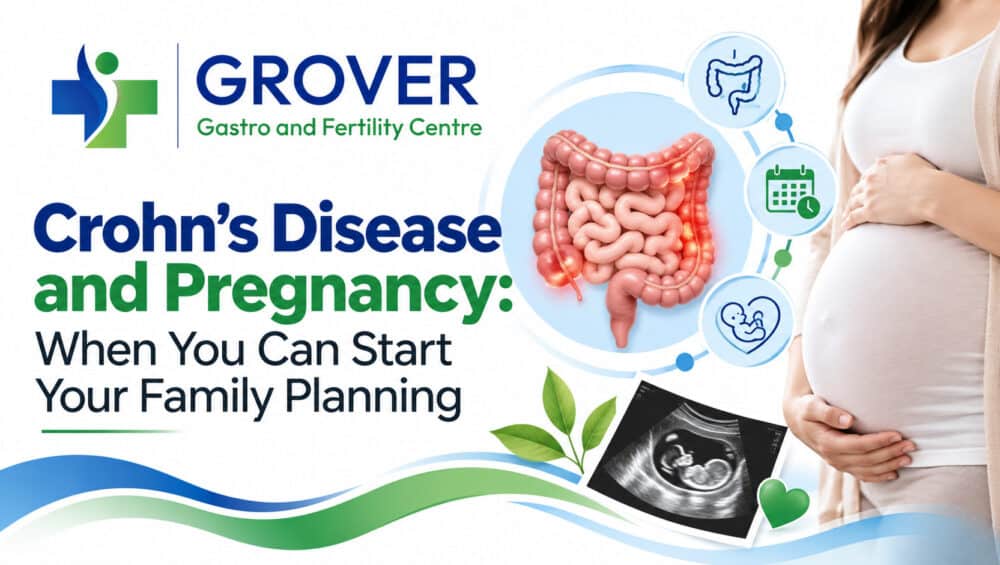
Grover Gastro and Fertility Centre: Crohn's Disease and Pregnancy image.CategoriesUncategorized

Crohn’s Disease and Pregnancy: When You Can Start Your Family Planning

Pregnancy can feel a little exciting and anxious at the same time, often crossing several thoughts regarding bringing a new life into this world. However, if you have been struggling with IBD, specifically Crohn’s Disease, then thinking about conceiving might feel overwhelming. This leaves you thinking about the symptoms of Crohn’s Disease that might affect your pregnancy and your baby. Certainly, conceiving while struggling with Crohn’s Disease can result in painful labour, miscarriage and premature delivery. To prevent such complications, it is crucial to plan your family accordingly. 

Crohn’s Disease does not have any permanent cure; therefore, remission is crucial to conceive successfully. Your remission period must be three to six months to get pregnant, and that too without steroids. Your Crohn’s Disease pregnancy planning must be accurately curated by engaging with your gastroenterologist and obstetrician. 

Welcome to this blog post where you’ll learn about the right time to conceive while struggling with Crohn’s disease to have a healthy and safe pregnancy. 

Common flare-up symptoms of Crohn’s Disease!

  • Experiencing abdominal pain and cramping. 
  • Affected bowel movements such as diarrhea. 
  • Bloody stool along with nausea. 
  • Weight loss without even trying. 

Your guide for achieving a healthy pregnancy during Crohn’s disease! 

The remission period is crucial!

  • Although Crohn’s disease remains lifelong, managing its symptoms is still possible to achieve a successful pregnancy.
  • You can get pregnant; however, the risk of premature delivery and excessive labour pain is comparatively higher in such cases. 
  • To reduce the complications, make sure to manage its symptoms for 3 to 6 months, which can significantly result in a healthy and safe pregnancy. 
  • Remission matters when planning your conception with the aim of reducing the pregnancy complications associated with Crohn’s Disease. 
  • If you plan your pregnancy during the flare-ups, then it might continue throughout your entire pregnancy, increasing specific risks. 

Consider your medication intake appropriately! 

  • Crohn’s Disease symptoms can be managed with medications; few of them are safe to take before and during pregnancy. 
  • You must be more careful regarding medication intake, such as methotrexate, which needs a doctor’s guidance.
  • Also, you must coordinate well with your gastroenterologist and obstetrician in terms of getting appropriate guidance regarding certain drugs.

Coordinate with your experts!

  • Being anxious about conceiving while struggling with Crohn’s Disease is understandable; therefore, taking professional help to manage everything is crucial. 
  • Make sure to engage with your experts in terms of managing your diet and nutrition to ensure a healthy pregnancy. 

The Bottom Line!

Summing up the above-mentioned points, you might have understood the right planning for conception while struggling with Crohn’s Disease and ensuring your pregnancy results in a safe and healthy manner. If you have been planning to start a new life, but are a little afraid of your Crohn’s Disease flare-up symptoms, then make sure to engage with your gastroenterologist and obstetrician at the same time. Such comprehensive treatment would assure you in choosing the right path and the right time to begin your conception. 

We, the experts at Grover Gastro and Fertility Centre, have a wide range of management options for both gastro problems and pregnancy complications as well. Meet our experts. Dr. Rajiv Grover, a gastroenterologist highly qualified in analyzing digestive health, along with Dr. Vaishali Grover, a gynecologist, provides comprehensive pregnancy care to all the women out there. 

FAQs

  1. Can Crohn’s disease recur during pregnancy? 

Yes, if you have Crohn’s disease flare-ups during the time of conception, then there are high chances that it will continue throughout your pregnancy. 

  1. Can Crohn’s Disease go away permanently? 

No, Crohn’s Disease does not go away permanently; however, there’s a remission period during which your symptoms are managed.

  1. Does remission mean Crohn’s Disease is cured? 

No, remission does not mean Crohn’s disease is cured; it is only associated with reduced symptoms, and flare-ups can occur again over time. 

  1. Can IBD surgery affect the pregnancy results? 

Pregnancy results can be affected, causing scar tissue around the fallopian tubes or ovaries, resulting in preterm birth and low birth weight.