

Appendicitis Treatment in Ludhiana
Consult Dr. Rajiv Grover, one of the gastroenterologists in Ludhiana, for accurate diagnosis and prompt interventions to prevent serious complications.
What is Acute Appendicitis?
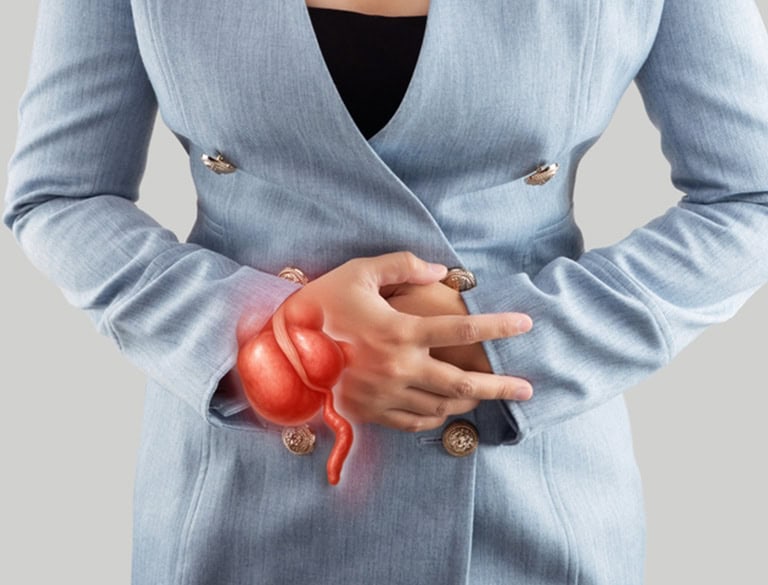
Appendicitis refers to the inflammation of the appendix (a small, tube-shaped organ that sticks out on the lower right side of the colon). Acute appendicitis can cause sudden, intense pain in the lower right abdomen. It is common among teenagers and young adults. While its exact function is still debated, an inflamed appendix becomes a high-priority medical emergency.
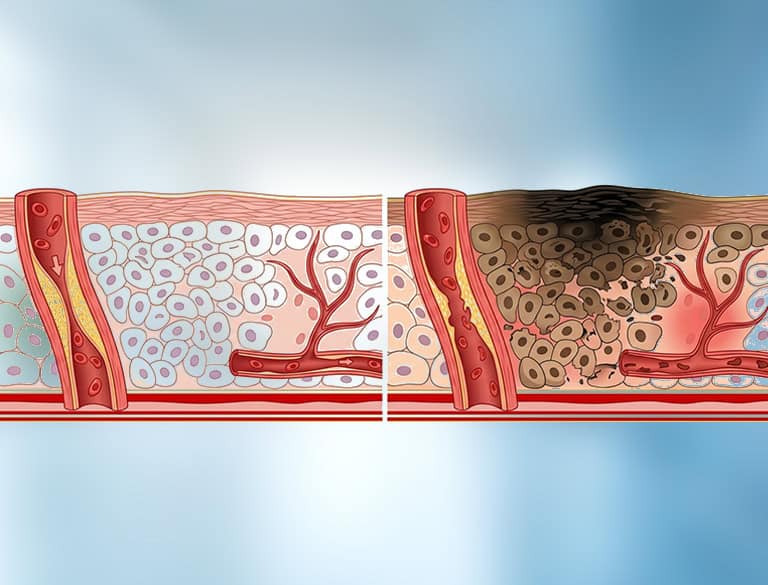
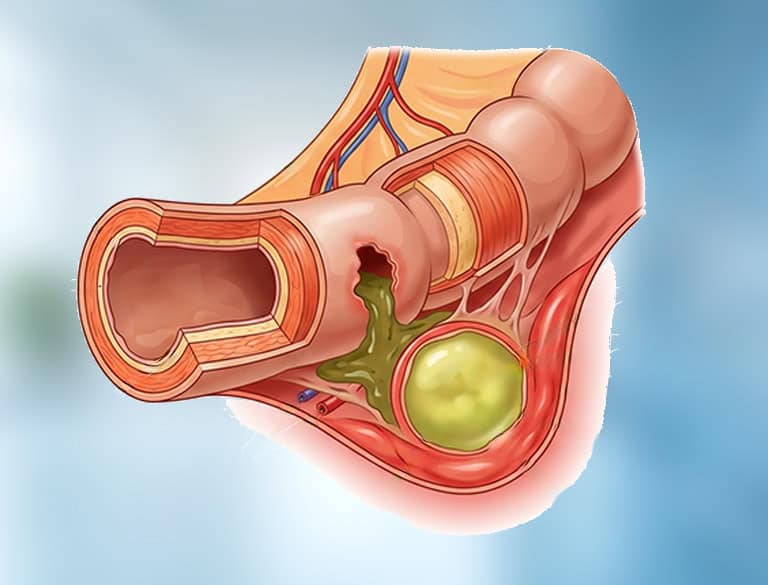
The inflammation of the appendix is usually triggered when the opening of the appendix becomes blocked by stool, a foreign object, or an infection. This blockage causes the appendix to swell with mucus and burst. If not treated quickly, the internal pressure can cut off blood flow, causing the tissue to die and the appendix to burst (perforate). A burst appendix spills infectious material into the abdominal cavity, which can lead to life-threatening complications.
Symptoms of Acute Appendicitis
Sudden, acute pain in lower right abdomen
Shifting pain from the belly button to the lower right bell
Nausea/ vomiting
Loss of appetite
Bloating/ gas
Constipation/ diarrhoea
When to See a Doctor for Acute Appendicitis?
If you notice any of these warning signs, you must seek immediate medical help:
- Intense pain in the lower right abdomen
- Pain intensifies & worsens within hours
- Rigid abdomen (belly is hard to touch)
- Pain that worsens with coughing/ walking
- Sudden urinary urgency/ frequency
- Sudden bowel paralysis
- Fever/ confusion/ rapid heartbeat
Treatment Approach
Dr. Rajiv Grover’s Treatment Approach for Acute Appendicitis
Dr. Rajiv Grover, a highly respected gastroenterologist in the Ludhiana region, focuses on accurate diagnosis and rapid interventions to prevent long-term complications.
Initial Consultation
In the first, deep-dive consultation, the doctor gathers information about your pain, other symptoms, and medical history through a two-way conversation, followed by a physical examination.
Advanced Diagnosis
The doctor leverages one or more of the following tests to confirm the diagnosis.
- Blood tests
- C-reactive protein count
- High white blood cell count
- Urine test
- Abdominal ultrasound/ CT scan
Tailored Treatment
Acute appendicitis is treated as a medical emergency and the treatment involves both surgery and medication. Depending on the need, an appendectomy or laparoscopic surgery is recommended within 24 hours of the diagnosis as the appendix can rupture within 36 hours of the symptoms. If the appendix has already ruptured, specialized drainage of the abscess may be performed before or during the removal.
Risks & Complications
What Happens If You Leave Acute Appendicitis Untreated?
Untreated acute appendicitis can cause life-threatening complications like:
Ischemia & necrosis

Gangrene
Perforation & abscess
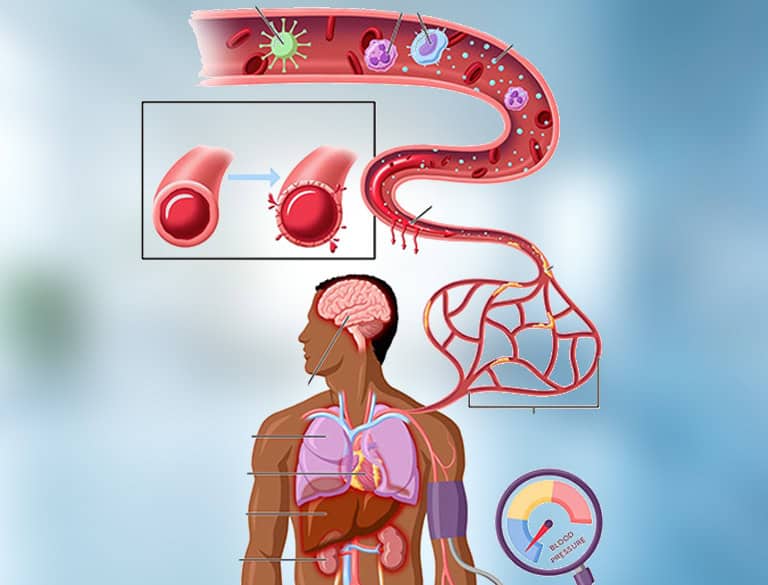
Septic shock
Why Choose Us?
Why You Should Trust Dr. Rajiv Grover For The Best Treatment Of GERD and Heartburn
Leave your gastro and liver care in the expert hands of Dr. Rajiv Grover, proficient in handling complex cases with great comprehension.
01
International-based health protocols
Grover Gastro and Fertility Centre is aligned with international protocols that regulate the standard of effective treatments with the aim of achieving lasting results. As such, the clinic can be trusted to provide high-quality treatment procedures.
02
Evidence- based treatments
Dr. Rajiv Grover provides scientifically proven treatments that have a track record in achieving satisfying, effective results. He is vastly experienced in providing customized treatments that address the root of the condition with precision.

03
State-of-the-art technical facility and treatments
Grover Gastro and Fertility Centre has various advanced facilities that help to give better results for treatments. Dr. Rajiv Grover endeavors to provide treatments that achieve precision, long-lasting results and prioritises the safety of the patient.
04
Patient-centric care throughout the procedures
Grover Gastro and Fertility Centre goes beyond providing treatments, but also aims to ensure that patients receive the care and comfort they need throughout the treatments.
Frequently Asked Questions
Acute appendicitis refers to the sudden, severe inflammation of the appendix (a small, tube-shaped organ that sticks out on the lower right side of the colon). It can cause sudden, intense pain in the lower right abdomen. It is common among teenagers and young adults. While its exact function is still debated, an inflamed appendix becomes a high-priority medical emergency.
The inflammation of the appendix is usually triggered when the opening of the appendix becomes blocked by stool, a foreign object, or an infection. This blockage causes the appendix to swell with mucus and burst. If not treated quickly, the internal pressure can cut off blood flow, causing the tissue to die and the appendix to burst (perforate). A burst appendix spills infectious material into the abdominal cavity, which can lead to life-threatening complications.
While some very mild cases are managed with antibiotics, surgery (appendectomy) remains the standard of care. Because it is impossible to predict if or when an appendix will burst, removing it is the only way to permanently eliminate the risk of a life-threatening rupture.
The risk of rupture increases significantly after 24 to 36 hours from the start of symptoms. This is why Dr. Rajiv Grover, a leading GI specialist in Ludhiana, emphasizes immediate consultation at the first sign of shifting abdominal pain.
Most patients can go home within 24 hours of a laparoscopic appendectomy and return to light activities within a few days. This is much faster than the weeks required for traditional open surgery.
No. There are no known long-term digestive or health consequences to living without an appendix. Your body will continue to process food and nutrients normally.
Acute appendicitis is treated as a medical emergency and the treatment involves both surgery and medication. Depending on the need, an appendectomy or laparoscopic surgery is recommended within 24 hours of the diagnosis as the appendix can rupture within 36 hours of the symptoms. If the appendix has already ruptured, specialized drainage of the abscess may be performed before or during the removal.