
Polycystic Ovarian Disease (PCOD)
Consult Dr. Vaishali Grover, a distinguished gynaecologist in Ludhiana, for patient-focused, multidimensional PCOD/ PCOS management, designed to restore hormonal health.

What is Polycystic Ovarian Disease (PCOD)?
Polycystic Ovarian Disease (PCOD) is one of the most common hormonal disorders affecting women of reproductive ages wherein the ovaries produce excessive amounts of androgen (male hormones). This hormonal imbalance interferes with normal ovarian functioning including the natural ovulation cycle. Instead of releasing a single mature egg, the ovaries produce numerous immature/ partially mature eggs (follicles) when you have PCOD. Remaining trapped within the ovaries, these immature follicles eventually form fluid-filled sacs or cysts.
While often interchangeably used, PCOD is different from PCOS (polycystic ovarian syndrome). PCOD is a largely manageable hormonal imbalance while PCOS is a complex endocrine disorder with more severe, long-term metabolic risks and systemic complications.
What Causes PCOD/ PCOS?
While the exact cause of PCOD/ PCOS is not known, several risk factors play a role in its development.
- Genetic predisposition
- Hormonal imbalance
- Insulin resistance
- Chronic low-grade inflammation
- Unhealthy lifestyle
Symptoms of PCOD/ PCOS
Irregular periods with very heavy or scanty bleeding
Obesity/ unexplained weight gain
Oily skin and acne on the face, chest, back
Skin darkening in neck folds/ armpits/ groin/ under breasts
Hair thinning or hair loss (male-pattern baldness)
Abnormal facial & body hair growth
Fatigue and depression
Inability to conceive
Note: While PCOD and PCOS share most symptoms, periods may be completely absent in PCOS and other symptoms are usually more chronic and severe.
When to See a Doctor for PCOD/ PCOS?
Consult an experienced gynaecologist like Dr. Vaishali Grover if you notice any of the following red flags.
- Fewer than 8 periods in a year
- Unpredictable, heavy bleeding
- Unexplained weight gain
- Persistent acne/ excessive facial or body hair
- Hair thinning or male-pattern baldness
- Difficulty conceiving after 12 months of trying

Treatment Approach
Dr. Vaishali Grover’s Treatment Approach for PCOD/ PCOS
Dr. Vaishali Grover, one of the best gynaecologists in Ludhiana, utilizes a patient-focused, multidimensional approach for PCOS/ PCOD management. She seamlessly combines modern medical protocols with lifestyle and dietary optimization to help patients restore hormonal balance and prevent the risks of infertility and chronic diseases like Type 2 Diabetes, gestational diabetes, and endometrial cancer.
Initial Consultation
In the first, deep-dive consultation, the doctor will gather key information required for the diagnosis and eventual treatment, asking questions about your personal and family medical history, medications, symptoms, menstrual cycle, and weight changes. This is followed by a physical examination to check for signs such as acne, hair growth, and insulin resistance and a pelvic examination to evaluate your reproductive organs.
Advanced Diagnosis
The doctor may order one or more of the following tests to confirm the PCOD/ PCOS diagnosis.
- Blood tests including:
- Hormonal
- Thyroid function
- Lipid profile
- Glucose/ Insulin
- Testosterone
- Prolactin
- LH/ FSH
- Transvaginal or abdominal ultrasound
Tailored Treatment
Dr. Vaishali Grover, a trusted gynaecologist in Ludhiana, designs an individualized, evidence-based treatment plan based on the patient’s condition, specific risk factors, and metabolic profile. While the specific treatment will vary based on whether you want to become pregnant, it typically includes a combination of medications and lifestyle changes.
- If you are not planning your pregnancy, treatments may include:
- Hormonal birth control
- Lifestyle and dietary modifications
- Insulin-sensitizing medications
- Medications to block androgens
- Referral to an endocrinologist
- If you are planning your pregnancy, treatments may also include:
- Ovulation stimulating drugs
- Fertility treatments
- Regular monitoring
Risks & Complications
Risks and Complications of PCOS/ PCOD
PCOD and PCOS put you at an increased risk of several health conditions including:
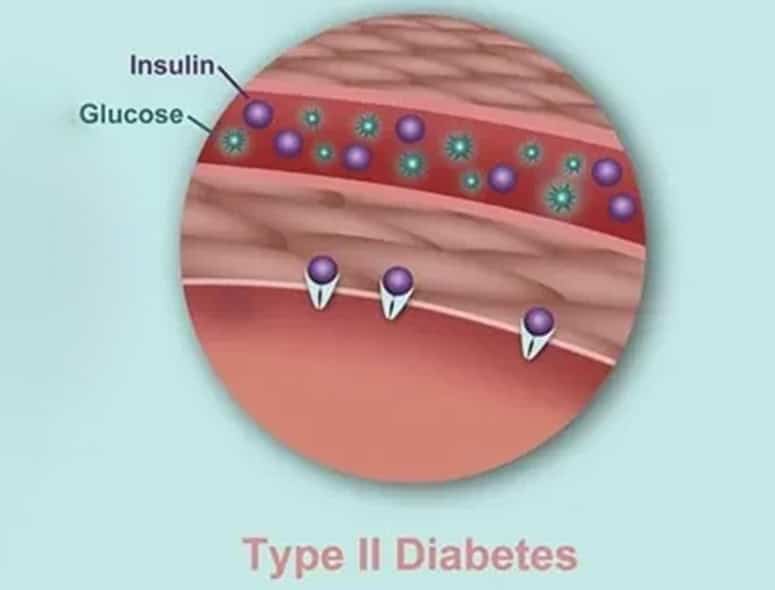
Type 2 and gestational diabetes
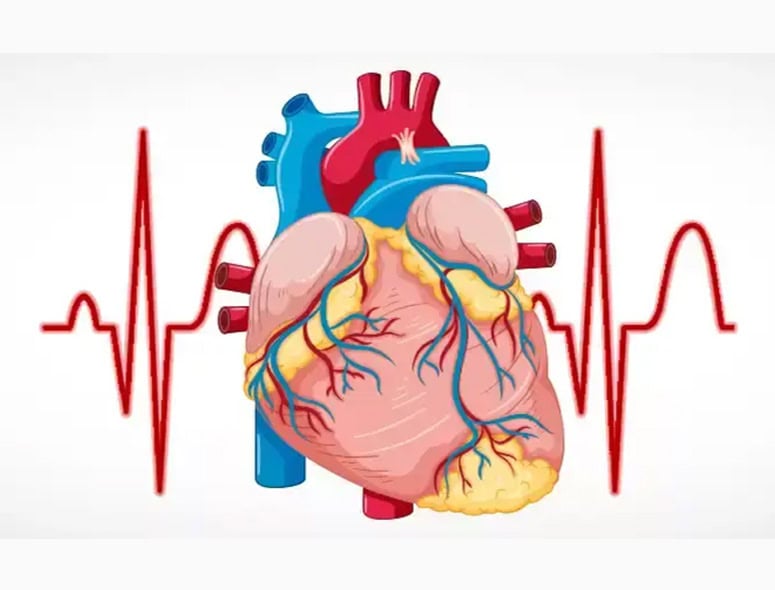
Cardiovascular diseases & hypertension
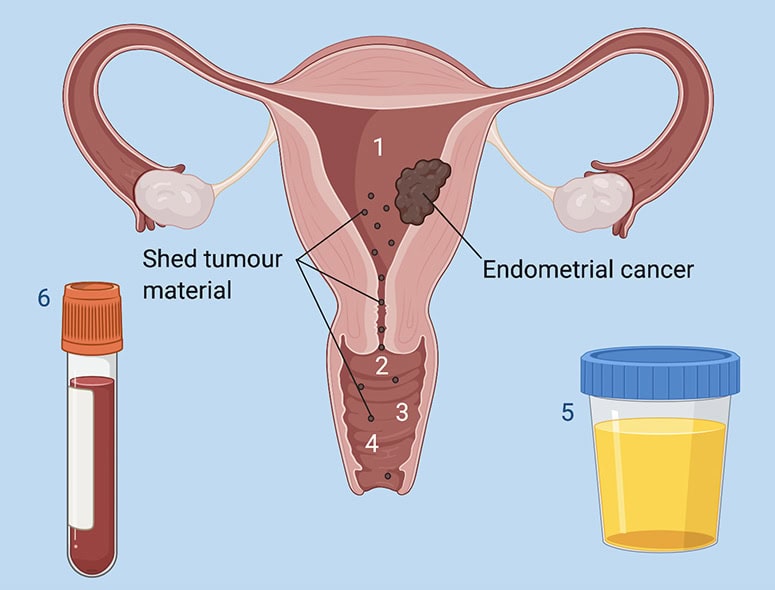
Endometrial hyperplasia & cancer
Sleep disorders, anxiety & depression

Severe liver inflammation

Infertility & miscarriages
Why Choose Us?
The Grover Edge
01
Science-Backed Methodology
Each treatment plan is based on the latest clinical research & global medical protocols to ensure higher success rates.
02
Advanced Techniques & Treatments
Dr. Vaishali Grover leverages leading-edge Assisted Reproductive Technology (ART) and the latest best practices.

03
Outcome-Driven, Ethical Approach
Our outcome-driven approach is rooted in transparency, trust & ethics, enabling us to consistently deliver successful outcomes.
04
Gentle, Compassionate Care
We offer a supportive environment and a gentle, personalized touch for couples navigating complex reproductive journeys.
Frequently Asked Questions
While the exact cause of PCOD/ PCOS is not known, there are several risk factors that increase the androgen production by your ovaries:
- Insulin resistance: If you are insulin resistant, the body produces higher levels of insulin to maintain normal glucose levels. This, in turn, increases androgen levels.
- Hormonal imbalance: Higher levels of insulin and luteinizing hormone (LH) contribute to the development of PCOS/ PCOD.
- Genetic predisposition: If your mother, sister, or aunt have been diagnosed with the condition, you are at a higher risk.
- Chronic low-grade inflammation: If the white blood cells and C-reactive protein (CRP) levels in your body are high, they increase androgen production.
Unhealthy lifestyle: Poor sleep habits, sedentary lifestyle, and high stress levels often contribute to the development of PCOD/ PCOS.
While PCOD and PCOS are not completely curable, they are both manageable. PCOD, in fact, is a highly reversible condition with early diagnosis and evidence-led, individualized treatments to restore hormonal balance and eliminate symptoms. PCOS, being a more complex condition, is completely manageable with consistent lifestyle optimization and discipline to effectively control and prevent long-term metabolic risks like diabetes.
Even though PCOD/ PCOS is the leading cause of female infertility, it is possible to conceive and have a healthy pregnancy even with the condition. Many women with the condition are able to conceive naturally with just disciplined lifestyle optimization. For others, ovulation induction and assisted reproduction may be necessary to achieve a healthy pregnancy.
Dr. Vaishali Grover, the best gynaecologist for infertility in Ludhiana, leverages a science-based, compassionate, and highly individualized approach to help you manage your PCOS/ PCOD and aid you with conception either naturally or through medications and assisted reproduction.
While often interchangeably used, PCOD (polycystic ovarian disease) is different from PCOS (polycystic ovarian syndrome). PCOD is a largely manageable hormonal imbalance while PCOS is a complex endocrine disorder with more severe, long-term metabolic risks and systemic complications. While PCOD and PCOS share most symptoms, periods may be completely absent in PCOS and other symptoms are usually more chronic and severe.
You are struggling to lose weight with PCOD/ PCOS mainly due to Insulin Resistance. The body produces more insulin to keep the blood sugar levels normal, which triggers the body to store fat and trigger cravings. The hormonal imbalance and slower metabolic rate caused by PCOS/ PCOD make weight loss more challenging. Dr. Vaishali Grover empowers you to tackle these challenges effectively and achieve sustainable weight loss using individualized plans combining lifestyle and dietary changes, as well as, medications.
No. Many healthy women have polycystic-looking ovaries on an ultrasound. A PCOS diagnosis requires at least two of three criteria: irregular periods, high androgen levels (clinical or biochemical), and/or polycystic ovaries.