
Intestinal Tuberculosis Treatment in Ludhiana
Consult Dr. Rajiv Grover, a highly respected gastrointestinal disorder specialist in Ludhiana, for the specialized, science-backed management of Intestinal Tuberculosis (TB).

Intestinal TB treatment in Punjab- Administered by Dr. Rajiv Grover
The gastroenterologist and endoscopy expert is respected for his exceptional treatment approach. His methodologies and protocols in addressing the health conditions have proven numerous results.
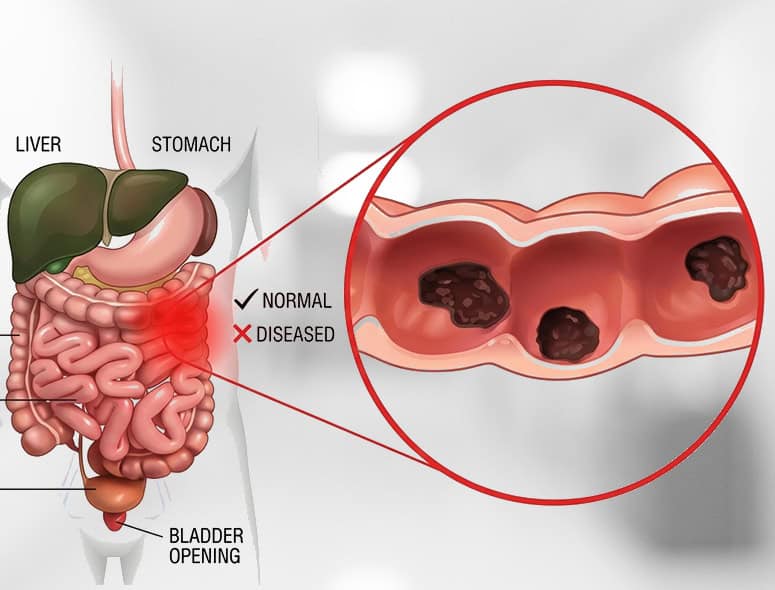
Mycobacterium Tuberculosis is a type of bacteria that is found in the air or unpasteurized dairy, which causes a health condition known as Tuberculosis when found in the human body. The disease affects the lungs and can progress to affect other parts of the body, such as the intestines. Tuberculosis that affects the digestive system is known as Intestinal Tuberculosis, which mostly affects the ileocecal region, where the large intestines and the small intestines meet, and continues to spread. Intestinal Tuberculosis causes symptoms that are similar to gastrointestinal problems, which makes it complex to trace, as such cases require expert diagnostic procedures conducted by an experienced intestinal tuberculosis specialist in Punjab.
The stomach TB treatment in Ludhiana is administered by using top technologies and trusted protocols to achieve accurate treatment plans for long-lasting healing results. Dr. Rajiv Grover, an experienced gastroenterologist and endoscopist, acquired knowledge and honed his skills in administering comprehensive treatment. Throughout his experience, he has acquired knowledge to address Intestinal Tuberculosis treatment by understanding the root cause, the medical history of the patient and analyzing the severity of the case. The treatment approach for Intestinal Tuberculosis comprises conducting consultations, diagnostic procedures and creating a personalized plan that meets the needs of the patient. The procedures conducted are tested and proven to be effective in completely reversing the health condition. His tactics and experiences can be trusted to offer exceptional results for Intestinal Tuberculosis.
Symptoms of Intestinal Tuberculosis
Abdominal cramping/ pain
Unexplained weight loss/ appetite loss
Fever, fatigue and nausea
Changes in bowel habits and diarrhea
Nausea and vomiting
Paleness/anaemia
When To Meet With Dr. Rajiv Grover
Intestinal Tuberculosis can be mistaken for gastrointestinal problems, and requires a thorough diagnosis to accurately provide TB in intestine treatment in Ludhiana.
- Swollen lymph nodes
- Abdominal mass
- Enlarged liver/spleen
- Ascites
- Night sweats and high fever
- Lung TB symptoms (persistent cough and exhaustion)
Note: Consult the doctor if you have had an experience with Tuberculosis and you start to notice intestinal Tuberculosis.
Treatment Approach
Dr. Rajiv Grover's treatment approach
Dr. Rajiv Grover is an experienced Gastroenterologist and intestinal tuberculosis specialist in Punjab who can be trusted to provide effective treatment for Intestinal Tuberculosis. He utilizes advanced technologies and protocols to create personalized treatment plans for each individual. His evidence-based treatment has recorded satisfying results for different severities of Intestinal Tuberculosis. He endeavors to provide compassion, comfort, and awareness of health to achieve effective treatment.
Initial consultation
Dr. Rajiv Grover’s first step to Intestinal Tuberculosis is by gathering information from the patients, on the symptoms, their medical history, so that the patient is comfortable, and to have an accurate treatment plan.
Advanced diagnosis
From the thorough consultation, Dr. Rajiv Grover conducts diagnostic procedures using the required technical facilities to analyze the root cause of the problem, its level of severity, and this helps in planning for the treatment.
- Bacterial culture tests of retrieved tissue samples
- Endoscopy/colonoscopy for the retrieval of tissue samples from the intestinal samples
- Sputum and stool sample testing
- X-ray, CT scan/ultrasound
Tailored treatment
Using advanced technology and the results from the diagnosis, Dr. Rajiv Grover administers thorough treatment for Intestinal Tuberculosis. The treatment is created to meet the health needs of the patient to achieve satisfying results.
- Anti-Tuberculosis drugs(6-9 month prescription depending on the level of severity )
- Endoscopic Balloon dilation is used for intestinal strictures
- Supportive care treatmentto manage symptoms like pain and malnutrition
- Surgery is conducted when the condition is severe
Risks & Complications
The risks of untreated Intestinal Tuberculosis
Intestinal Tuberculosis when left untreated can cause irreversible damage.
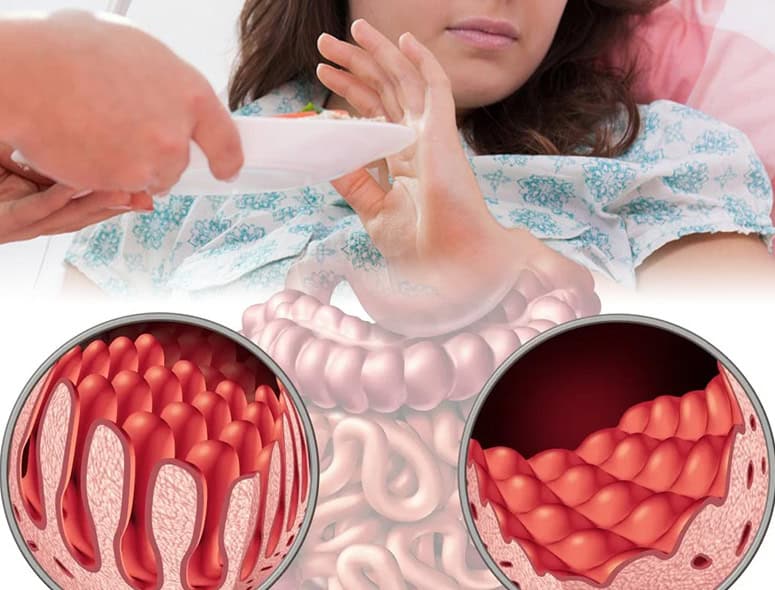
Anaemia and nutrition deficiencies

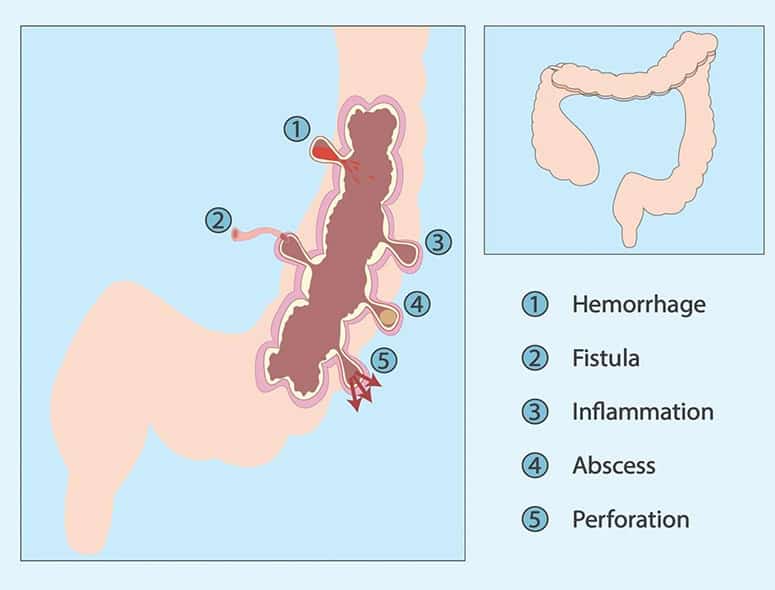
Bowel obstructions and strictures

Fistulas/Perforations/ GI bleeding
Malnutrition/Malabsorption
Note: Clinical research indicates that in 6-20%, there is a high risk of mortality if Intestinal Tuberculosis is untreated or improperly treated.
Why Choose Us?
Why You Should Trust Dr. Rajiv Grover For The Best Treatment Of GERD and Heartburn
Leave your gastro and liver care in the expert hands of Dr. Rajiv Grover, proficient in handling complex cases with great comprehension.
01
International-based health protocols
Grover Gastro and Fertility Centre is aligned with international protocols that regulate the standard of effective treatments with the aim of achieving lasting results. As such, the clinic can be trusted to provide high-quality treatment procedures.
02
Evidence- based treatments
Dr. Rajiv Grover provides scientifically proven treatments that have a track record in achieving satisfying, effective results. He is vastly experienced in providing customized treatments that address the root of the condition with precision.

03
State-of-the-art technical facility and treatments
Grover Gastro and Fertility Centre has various advanced facilities that help to give better results for treatments. Dr. Rajiv Grover endeavors to provide treatments that achieve precision, long-lasting results and prioritises the safety of the patient.
04
Patient-centric care throughout the procedures
Grover Gastro and Fertility Centre goes beyond providing treatments, but also aims to ensure that patients receive the care and comfort they need throughout the treatments.
Here Is Why You Can Trust Dr. Rajiv Grover's intestinal tuberculosis treatment
Sustain your digestive health with the guidance of Dr. Rajiv Grover.
Comprehensive care for all procedures
The centre endeavors to provide comprehensive health services, from providing the best facilities to achieving comfort and safety for the patient. They also ensure to conduct thorough procedures from consultation to providing customized treatment for Intestinal Tuberculosis. With our comprehensive procedures, we have been able to achieve milestones in helping numerous people.
Access to an experienced expert on Intestinal Tuberculosis
Grover Gastro and Fertility Centre is where one can have access to the expert abdominal TB doctor, Dr. Rajiv Grover, in Ludhiana. In his years of experience, he has been able to understand the complexities of Intestinal Tuberculosis and has honed his skills to become an expert in his specialization. He can be trusted to handle various levels of severity of Intestinal Tuberculosis and treat it with precision.
Tested and approved treatments
Dr. Rajiv Grover’s treatment approach is based on methodologies and protocols that have been proven to work and bring out the required results. He ensures that patients have access to the best treatments to address the root cause of the problem, manage the symptoms and prevent recurrences. He also ensures that patients receive the right education on how to prevent the condition and raise awareness of the causes to promote alertness.
Access to advanced technologies
The centre has an advanced technology establishment for Intestinal Tuberculosis. From the diagnostic procedures to all the tailored prescribed procedures, Dr Rajiv Grover ensures that patients have easy access, which is why the centre is acknowledged as the best facility for providing stomach TB treatment in Ludhiana, which is conducted under advanced and specialized facilities.
Frequently Asked Questions
Intestinal Tuberculosis is prevalent in individuals who have a weak immune system, such as people with HIV/AIDS, People living in TB-prone regions and adults aged 20 to 40.
Effective preventative measures include treating latent infections, avoiding unpasteurized milk and avoiding prolonged exposure to areas that are prone to TB.
Intestinal Tuberculosis can be regarded as either invasive or minimally invasive, depending on the severity of the procedures. Whilst some surgical procedures may mainly involve laparoscopic procedures, some may include laparotomy procedures.
Intestinal Tuberculosis can be completely reversed through effective treatments, whilst untreated Intestinal TB can make treatment complicated.
The diet should consist of soft proteins, gentle carbs, gut-friendly dairy, along with soft fruits and vegetables.