

Menstrual Abnormalities
Consult Dr. Vaishali Grover, a distinguished gynaecologist in Ludhiana, for the expert management of painful periods, heavy bleeding & irregular cycles to improve your quality of life.

What are Menstrual Abnormalities?
A normal menstrual cycle lasts between 21 days to 35 days, with bleeding lasting for 4 to 7 days. Menstrual irregularities or abnormalities occur when a woman’s cycle consistently falls outside these parameters. They could cause a woman to have menstrual cycles that are too longer (more than 35 days apart) or too short (less than 21 days apart), three or more missing periods in a row, and too heavy or too scanty flow. While slight delays and mild abnormalities are not a cause for concern, persistent menstrual abnormalities and irregularities are often a sign of underlying health issues. Expert gynaecological intervention is necessary to identify these underlying health issues and prevent complications like anaemia and infertility.
Symptoms of Menstrual Abnormalities
Menstrual cycle shorter than 21 days or longer than 35 days
Three or more periods missed in a row
Excessive heavy bleeding (soaking more than 1 pad or tampon every 1-2 hours)
Light or extremely scanty bleeding
Periods longer than 7 days
Bleeding or spotting between periods
Severe cramps/ pelvic pain
Periods accompanied by nausea or vomiting
When to See a Doctor for Menstrual Abnormalities?
Consult an experienced gynaecologist like Dr. Vaishali Grover if you notice any of the following red flags.
- Severe cramping/ pain between or during periods
- Absent or long-lasting periods
- Heavy bleeding/ abnormally large clots
- Foul-smelling vaginal discharge
- Vaginal bleeding or spotting between periods
- Dizziness/ weakness/ sudden weight changes

Treatment Approach
Dr. Vaishali Grover’s Treatment Approach for Menstrual Abnormalities
Dr. Vaishali Grover, one of the best gynaecologists in Ludhiana, utilizes a compassionate, patient-centric approach to help regulate menstrual cycles. She expertly combines root cause management, lifestyle changes, and modern therapies to improve your quality of life and prevent long-term complications of abnormal menstruation.
Initial Consultation
In the first, deep-dive consultation, the doctor will gather key information required for the diagnosis and eventual treatment, asking questions about your personal and family medical history, medications, symptoms, lifestyle, menstrual cycle, and weight changes. This is followed by a physical and pelvic examination to evaluate your reproductive organs and look for visible signs of complications like anaemia.
Advanced Diagnosis
The doctor may order one or more of the following tests for the diagnosis of abnormal menstruation and identifying underlying causes.
- Blood tests to check for pregnancy, metabolic disorders, hormonal imbalances & anaemia
- Transvaginal or abdominal ultrasound for pregnancy, polyps, fibroids & ovarian cysts.
- Endometrial biopsy to check for precancerous cells, endometriosis & hormonal imbalances.
- Hysteroscopy to look for abnormal bleeding and structural abnormalities.
Tailored Treatment
Dr. Vaishali Grover, a trusted gynaecologist in Ludhiana, designs an individualized, evidence-based treatment plan based on the patient’s condition, symptoms, specific risk factors, and overall health profile. She uses a combination of:
- Medications:
- Hormonal birth control pills
- Hormone therapy
- Pain relief medicines
- Antibiotics and anti-inflammatory medicines
- Medicines for root causes
- Lifestyle adjustments:
- Healthy diet
- Regular exercise
- Stress and anxiety management
- Surgical interventions for severe cases:
- Myomectomy to remove uterine fibroids
- Endometrial ablation
- Uterine artery embolization
- Hysterectomy
Risks & Complications
Risks and Complications of Menstrual Abnormalities
If menstrual abnormalities are left untreated, they have severe consequences including:
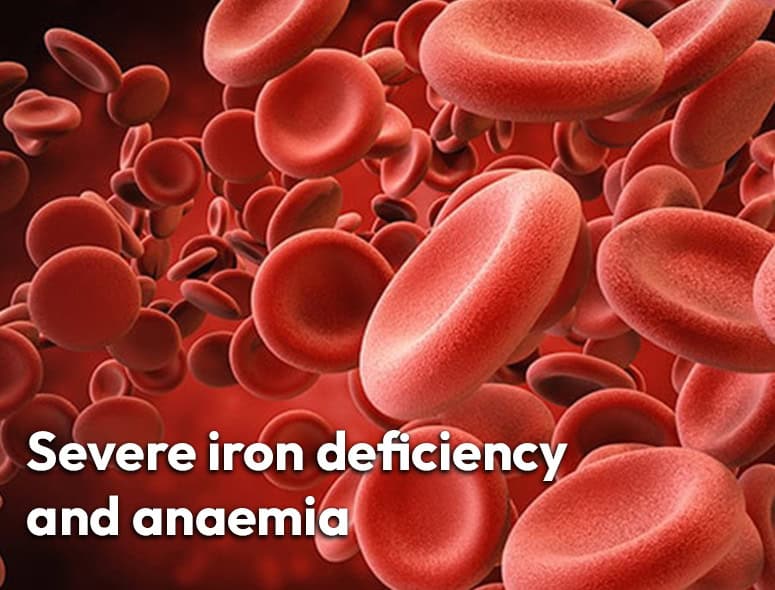
Severe iron deficiency and anaemia
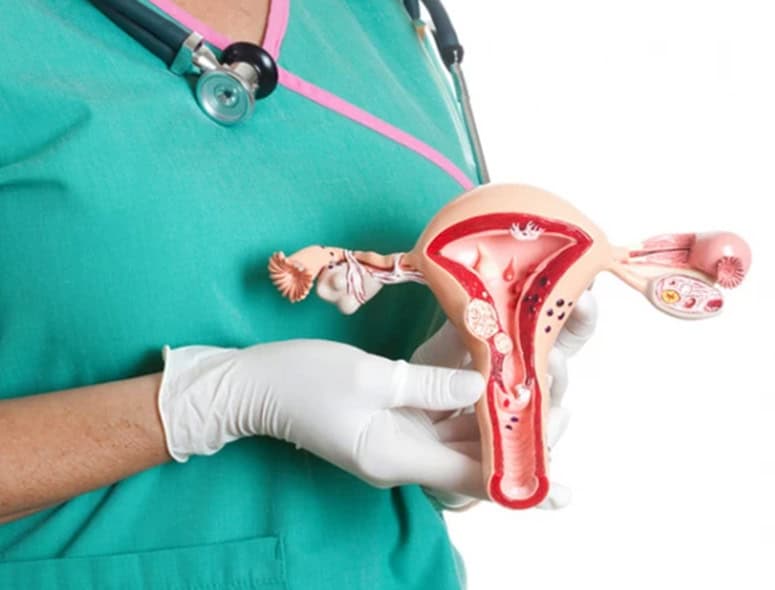
Infertility and reproductive issues

Endometrial cancer

Chronic pain

Osteoporosis

Cardiovascular risks
Why Choose Us?
The Grover Edge
01
Science-Backed Methodology
Each treatment plan is based on the latest clinical research & global medical protocols to ensure higher success rates.
02
Advanced Techniques & Treatments
Dr. Vaishali Grover leverages leading-edge Assisted Reproductive Technology (ART) and the latest best practices.

03
Outcome-Driven, Ethical Approach
Our outcome-driven approach is rooted in transparency, trust & ethics, enabling us to consistently deliver successful outcomes.
04
Gentle, Compassionate Care
We offer a supportive environment and a gentle, personalized touch for couples navigating complex reproductive journeys.
Frequently Asked Questions
Menstrual abnormalities are caused by a number of factors including:
- Hormonal imbalances
- Metabolic & endocrine disorders
- Medical factors (cancer, bleeding disorders & structural abnormalities)
- Gynaecological conditions (endometriosis, PCOD, PID)
- Lifestyle factors (including stress & anxiety)
- Hormonal contraception & birth control pills
- Menopause or perimenopausal stages
There are several ways a menstrual cycle can be classified as abnormal:
- Amenorrhea: The complete absence of periods for three months or more.
- Dysmenorrhea: Severely painful periods characterized by intense cramping and nausea.
- Menorrhagia: Abnormally heavy or prolonged bleeding (lasting more than 7 days).
- Oligomenorrhea: Infrequent periods where the cycle is longer than 35 days.
- Metrorrhagia: Bleeding or spotting that occurs between your regular periods.
If you are soaking up and need to change your sanitary pad or tampon every 1–2 hours, find yourself double-padding or waking up at night to change, your flow is clinically heavy and can lead to anaemia.
Dysmenorrhea and amenorrhea represent two opposite ends of menstrual distress:
Dysmenorrhea refers to painful menstruation. It involves severe uterine contractions that cause pelvic pain, backaches, and sometimes vomiting.
Amenorrhea refers to the complete absence of menstruation. This can be primary (where periods have not started until age 15) or secondary (where periods that were once regular but have stopped for at least three months).
Yes. If menstrual abnormalities are left untreated, they have severe consequences including:
- Severe iron deficiency and anaemia
- Infertility and reproductive issues
- Endometrial cancer
- Chronic pain
- Osteoporosis
- Cardiovascular risks
Consult an experienced gynaecologist like Dr. Vaishali Grover if you notice any of the following red flags.
- Severe cramping/ pain between or during periods
- Absent or long-lasting periods
- Heavy bleeding/ abnormally large clots
- Foul-smelling vaginal discharge
- Vaginal bleeding or spotting between periods
- Dizziness/ weakness/ sudden weight changes
Dr. Vaishali Grover, one of the best gynaecologists in Ludhiana, utilizes a compassionate, patient-centric approach to help regulate menstrual cycles. She expertly combines root cause management, lifestyle changes, and modern therapies to improve your quality of life and prevent long-term complications of abnormal menstruation.
The doctor may order one or more tests including ultrasound, blood tests, and hysteroscopy for the diagnosis of abnormal menstruation and identifying underlying causes. She designs an individualized, evidence-based treatment plan based on the patient’s condition, symptoms, specific risk factors, and overall health profile. She uses a combination of:
- Medications:
- Hormonal birth control pills
- Hormone therapy
- Pain relief medicines
- Antibiotics and anti-inflammatory medicines
- Medicines for root causes
- Lifestyle adjustments:
- Healthy diet
- Regular exercise
- Stress and anxiety management
- Surgical interventions for severe cases:
- Myomectomy to remove uterine fibroids
- Endometrial ablation
- Uterine artery embolization
- Hysterectomy