
Female Infertility

Female Infertility

Consult Dr. Vaishali Grover, a highly respected female infertility specialist in Ludhiana, for compassionate, individualized, and ethical solutions for infertility challenges.  
What Female Infertility?

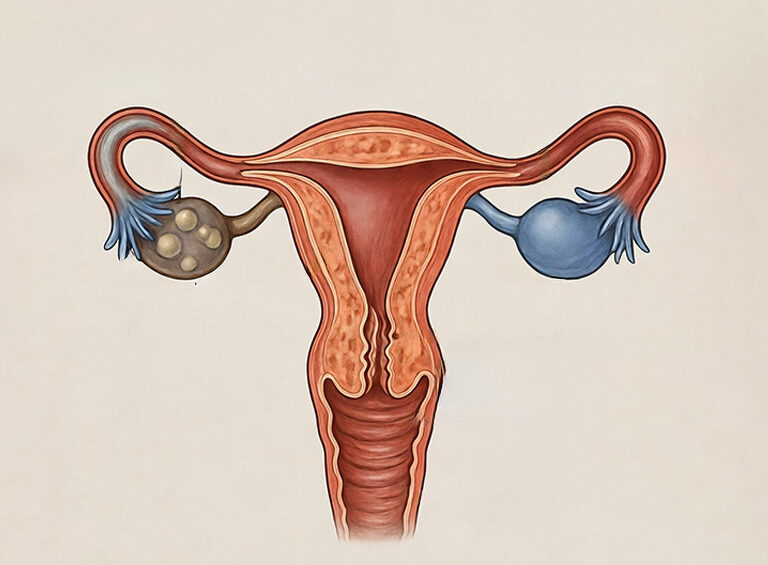
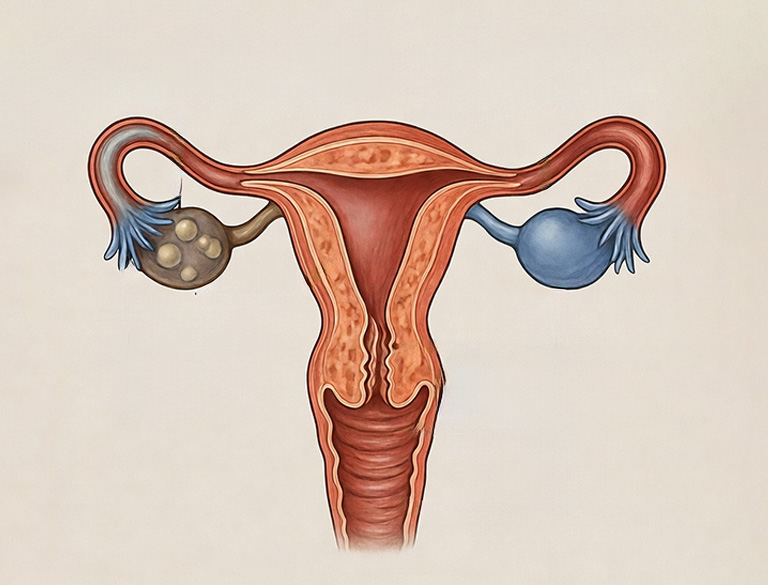
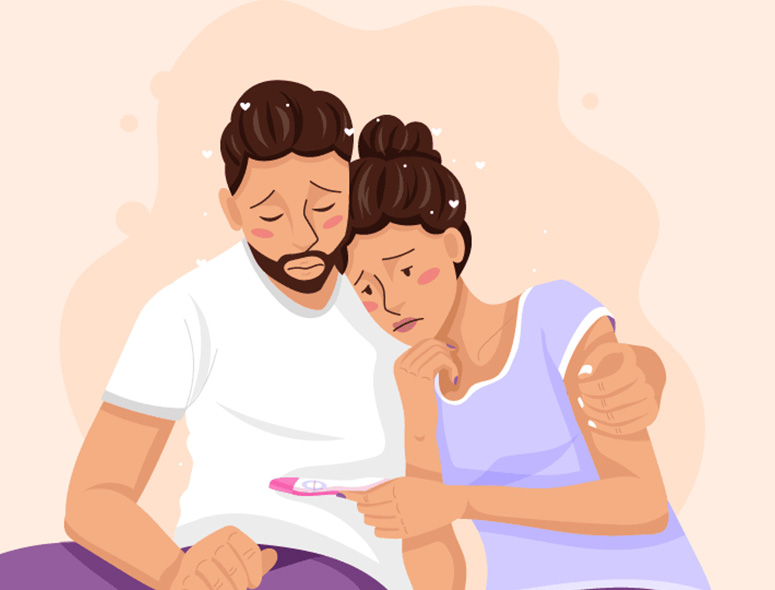
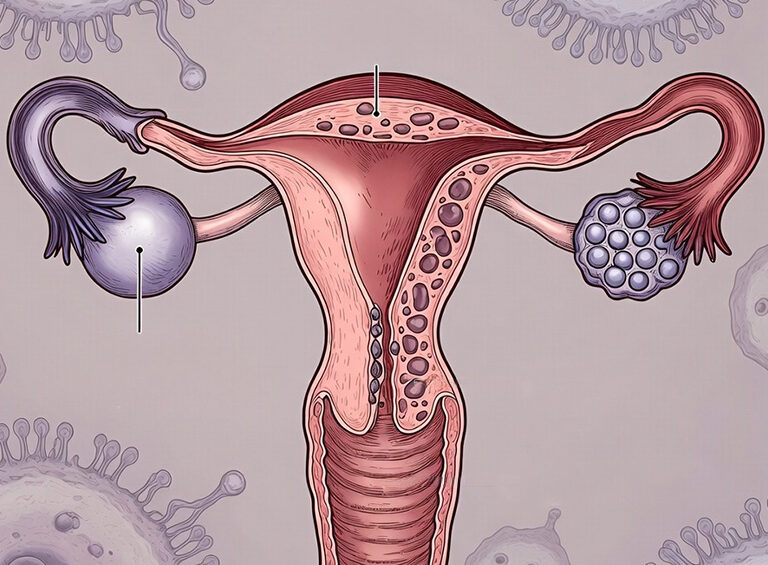
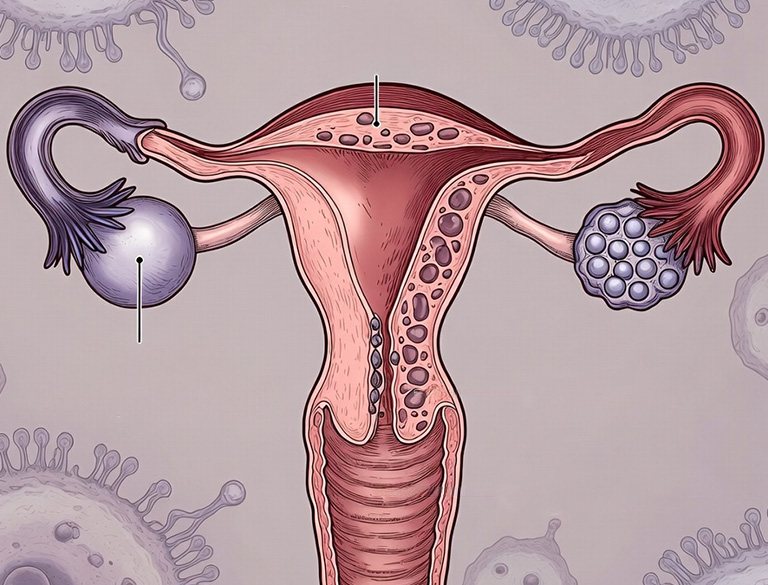
Female infertility, also called female factor infertility, is defined as the inability to conceive despite frequent, unprotected intercourse. A formal infertility diagnosis is typically made if you are unable to get pregnant after 12 months of trying for women under 35 and after 6 months of trying for women over 35. However, Dr. Vaishali Grover recommends getting an early evaluation if you have a known history of irregular cycles, uterine problems, or pre-existing medical conditions. A number of treatment options are available to correct the underlying cause of infertility and help you on your path to biological parenthood.

What Causes Female Infertility?

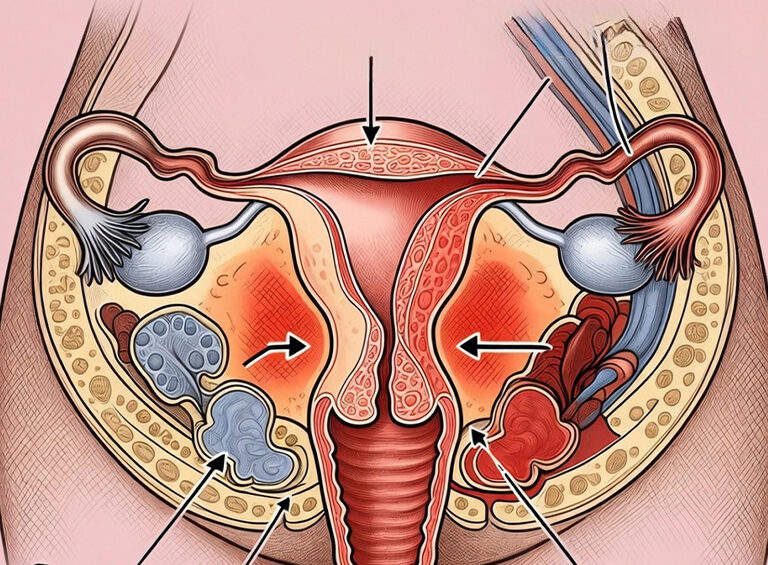
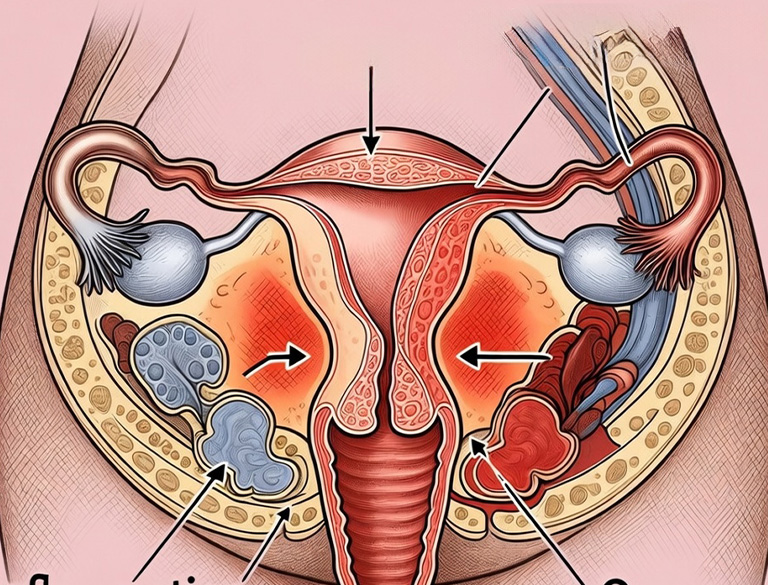
While it is impossible to exactly point out the cause of female infertility, here are some of the possible causes:

Note: You may also have unexplained infertility wherein standard tests appear normal and no causes have been found for your infertility.

The Risk Factors of Female Infertility

The following are some of the factors that put you at a higher risk of female factor infertility.
Advanced age (Mid 30s)
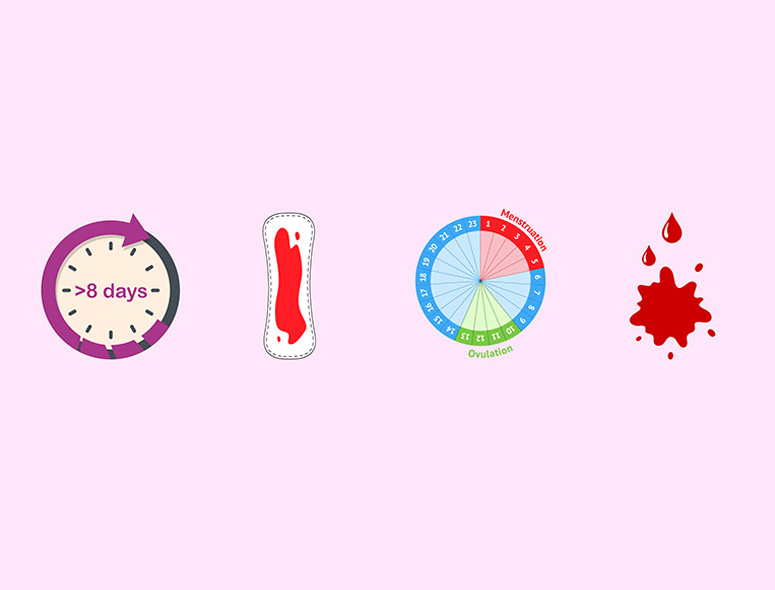
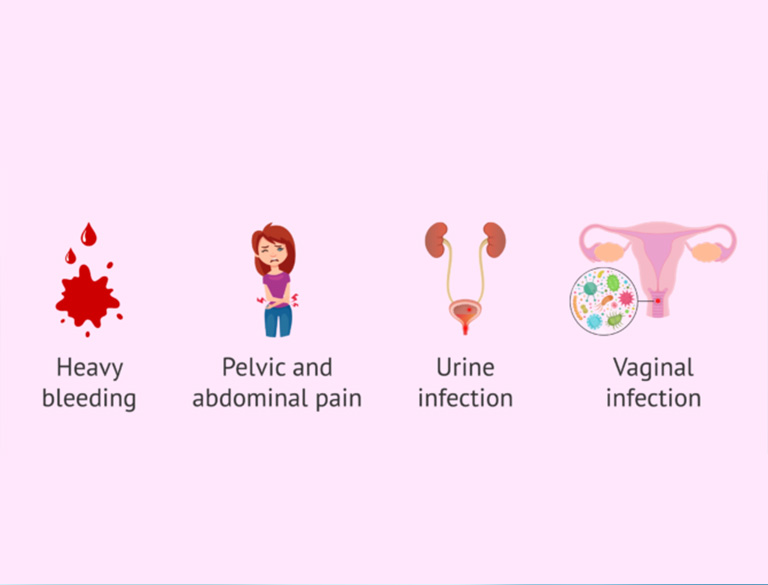
Abnormal menstrual cycles
Hormonal imbalances
Underweight/ overweight
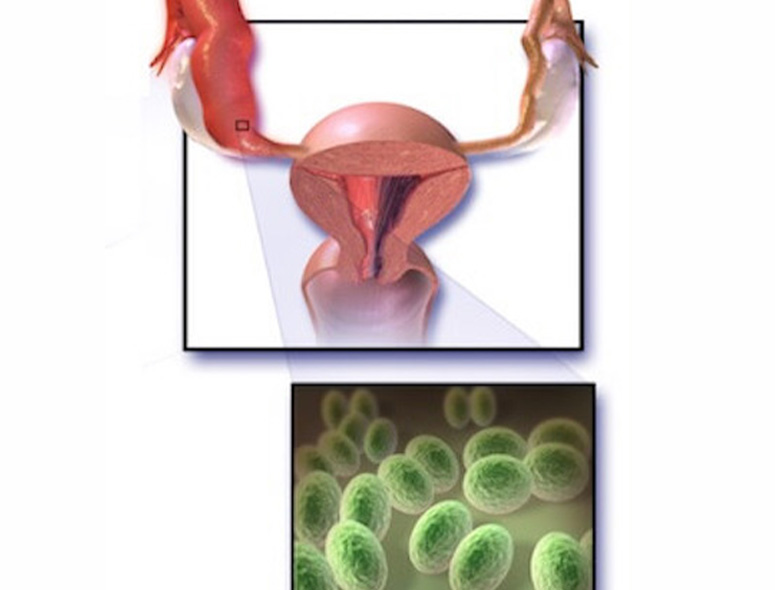
Untreated STIs
Pre-existing health conditions

Alcohol/ smoking/ drug abuse
Genetic traits
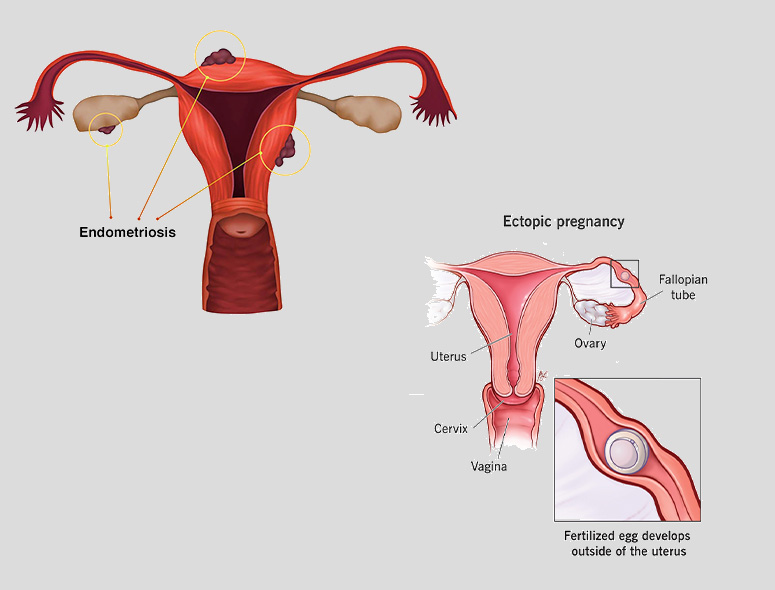
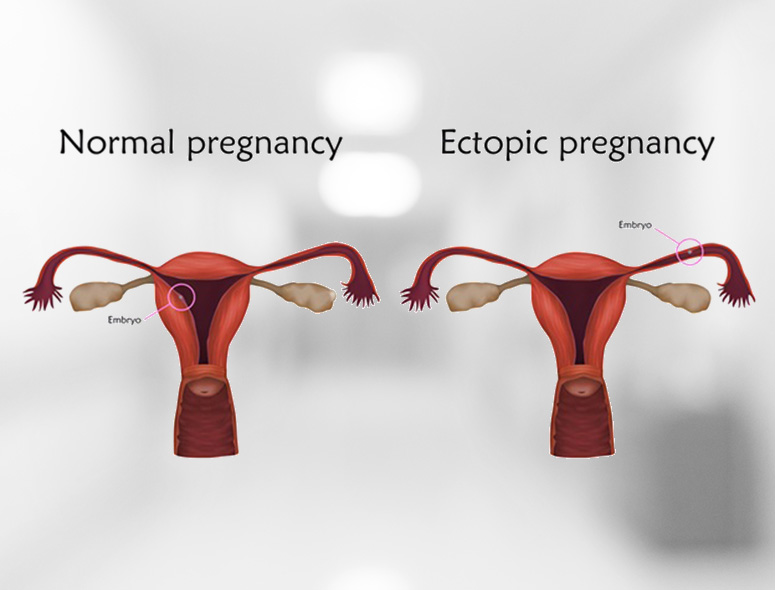
Endometriosis & past ectopic pregnancy
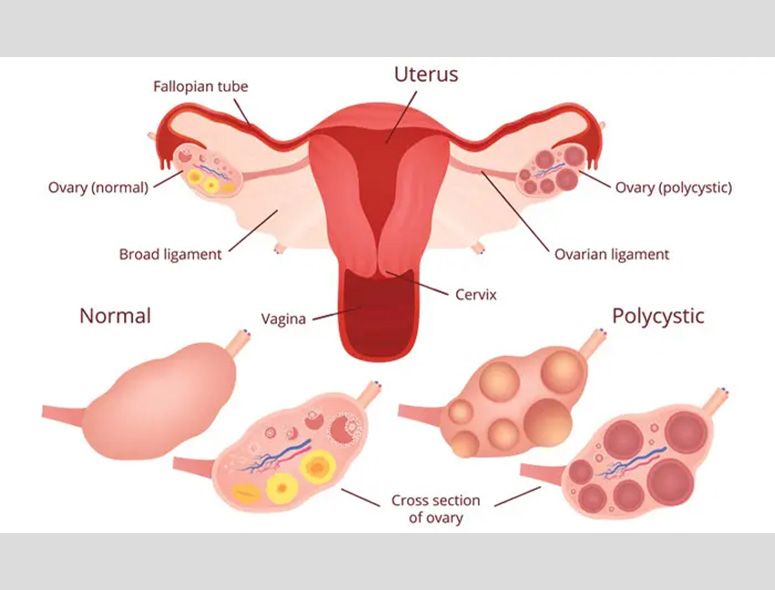
Tumours, cysts & fibroids

Symptoms of Female Infertility

When to See a Doctor for Female Factor Infertility?

Consult a female fertility specialist like Dr. Vaishali Grover if you:

Treatment Approach

Dr. Vaishali Grover’s Treatment Approach for Female Infertility

Dr. Vaishali Grover, an experienced gynaecologist for infertility in Ludhiana, leverages a highly individualized, empathetic approach to treat complex infertility challenges, focused on expanding options & enhancing outcomes.

Initial Consultation

In the first, deep-dive consultation, the doctor gathers information about your menstrual history, past pregnancies, personal & family medical history, symptoms, and lifestyle through a two-way conversation, followed by a physical and pelvic examination.

Advanced Diagnosis

The doctor uses one or more tests to identify the cause of female infertility:

Tailored Treatment

Depending upon the patient’s condition, causative factors, and specific needs, Dr. Vaishali Grover utilizes a combination of the following methods to treat female infertility:

Why Choose Us?

The Grover Edge

01

Science-Backed Methodology

Each treatment plan is based on the latest clinical research & global medical protocols to ensure higher success rates.

02

Advanced Techniques & Treatments

Dr. Vaishali Grover leverages leading-edge Assisted Reproductive Technology (ART) and the latest best practices.
03

Outcome-Driven, Ethical Approach

Our outcome-driven approach is rooted in transparency, trust & ethics, enabling us to consistently deliver successful outcomes.

04

Gentle, Compassionate Care

We offer a supportive environment and a gentle, personalized touch for couples navigating complex reproductive journeys.

Frequently Asked Questions

While it is impossible to exactly point out the cause of female infertility, here are some of the possible causes:

  • Ovulation Challenges: The leading cause of female infertility in people with a uterus is ovulation-related wherein they are unable to produce and release eggs owing to:
    • Polycystic Ovarian Syndrome (PCOS)
    • Primary Ovarian Insufficiency (POI)
    • Hormonal imbalances including thyroid conditions
    • High prolactin levels
    • Severe stress and eating disorders
  • Fallopian Tube Problems: Tubal factor infertility may be caused by infections, inflammation, and scarring due to:
    • Pelvic Inflammatory Disease
    • Endometriosis-led scarring
    • Structural problems
    • Damage from past surgeries
  • Egg Quality and Count: Poor quality of egg and low egg count due to menopause and other conditions.
  • Uterine & Cervical Challenges increase the risk of miscarriages and implantation failures. These challenges are caused by:
    • Polyps & fibroids
    • Birth defects/ anomalies
    • Cervical stenosis
    • Endometriosis

Note: You may also have unexplained infertility wherein standard tests appear normal and no causes have been found for your infertility.

If you are a woman under 35 years of age and are unable to conceive after 12 months of frequent, unprotected intercourse, it is recommended that you consult a specialist like Dr. Vaishali Grover, one of the most trusted female infertility specialists in Ludhiana.

If you are a woman over 35 years of age and are unable to conceive after 6 months of frequent, unprotected intercourse, it is recommended that you consult a fertility specialist. If you are over 40 years of age, you should consult a fertility specialist soon as they may be able to get necessary tests done and start you off on your fertility treatment.

If you have a known history of menstrual irregularities, endometriosis, or pre-existing health conditions, you should seek an immediate evaluation.

While stress is rarely the only cause of female infertility, severe stress often causes hormonal imbalances which affects regular ovulation. Dr. Vaishali Grover, a leading gynaecologist in Ludhiana, uses a holistic approach that combines lifestyle modifications with medical protocols to treat infertility.

Dr. Vaishali Grover, an experienced female fertility doctor in Ludhiana, leverages a highly individualized, empathetic approach to treat complex female infertility challenges, focused on expanding options & enhancing outcomes. She maintains two-way conversation from the initial consultation to the treatment stages and after to ensure the patient stays comfortable and informed across as they navigate the challenges.

She uses a range of pathological and diagnostic tests to understand the causative factors. Depending upon the patient’s condition, causative factors, and specific needs, Dr. Vaishali Grover utilizes a combination of the following methods to treat female infertility:

  • Fertility medication for ovulation induction
  • Antibiotics for infections
  • Fertility awareness
  • Lifestyle changes
  • Hysteroscopy for removal of polyps/ fibroids
  • Assisted reproduction like IUI or IVF

Yes, when administered under expert supervision, fertility medications are generally safe. Dr. Vaishali Grover uses science-backed methodology to monitor your body’s response to medication, ensuring the lowest effective dose is used to minimize side effects.

Success rates of female fertility treatments vary based on age and the underlying cause of infertility. This is why, Dr. Vaishali Grover, a distinguished fertility specialist in Ludhiana, provides a transparent, evidence-based outlook tailored specifically to your medical profile during your initial consultation.
Male Infertility

Male Infertility

Consult Dr. Vaishali Grover, a highly respected infertility specialist in Ludhiana, for compassionate, individualized, and ethical solutions for male infertility challenges. 

What is Male Infertility?

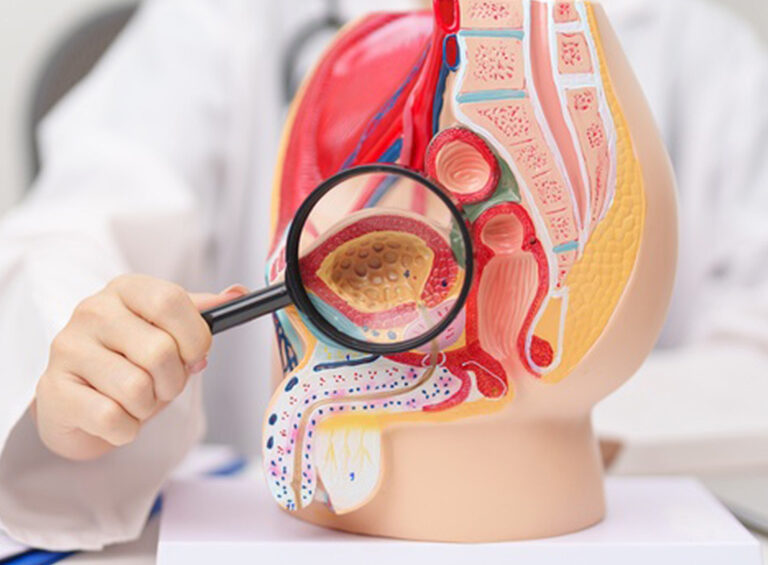
Male infertility, also called male factor infertility, is defined as the inability of the male reproductive system to impregnate a female despite frequent, unprotected intercourse for a year or more. While infertility is often perceived as a female-centric problem, global data shows that male infertility is responsible for 50% of all infertility cases. However, the silver lining is that modern medicine has made it possible to effectively manage male infertility and achieve biological fatherhood with precision-led diagnosis and individualized, patient-centred treatment plans.

What Causes Male Infertility?

Male fertility is a complex process that requires more than just the production of sperms. Both sperm quality and quantity must be healthy with healthy sperms being carried into the semen; the sperms, when ejaculated, must be able to move (motility) and reach & penetrate the egg. This process can be affected by a number of medical, environmental, and lifestyle reasons, causing male infertility. 

Note: You may also have unexplained infertility wherein standard tests appear normal and no causes have been found for your infertility.

The Risk Factors of Male Infertility

The following are some of the factors that put you at a higher risk of male factor infertility.

Advanced age (Over 40 years)

Overweight/ obesity

Hormonal imbalances

Untreated STIs & infections

Pre-existing health conditions

Alcohol/ smoking/ drug abuse

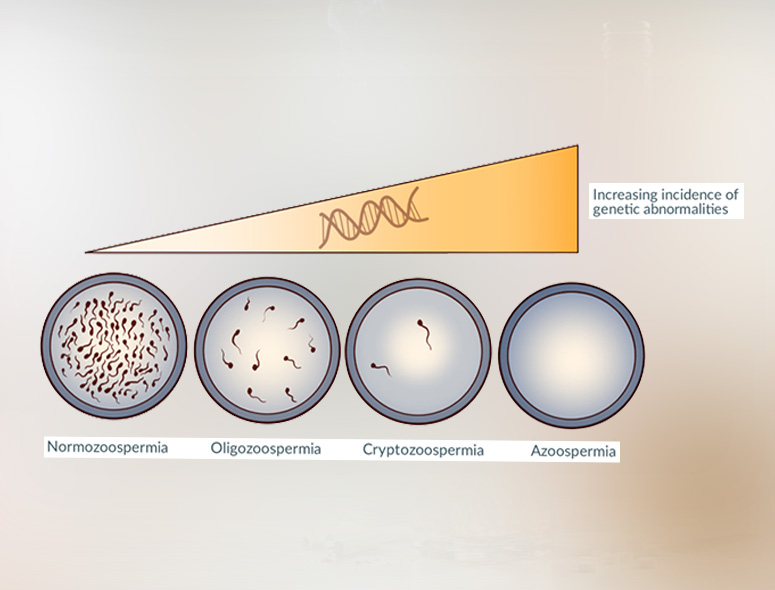
Genetic traits

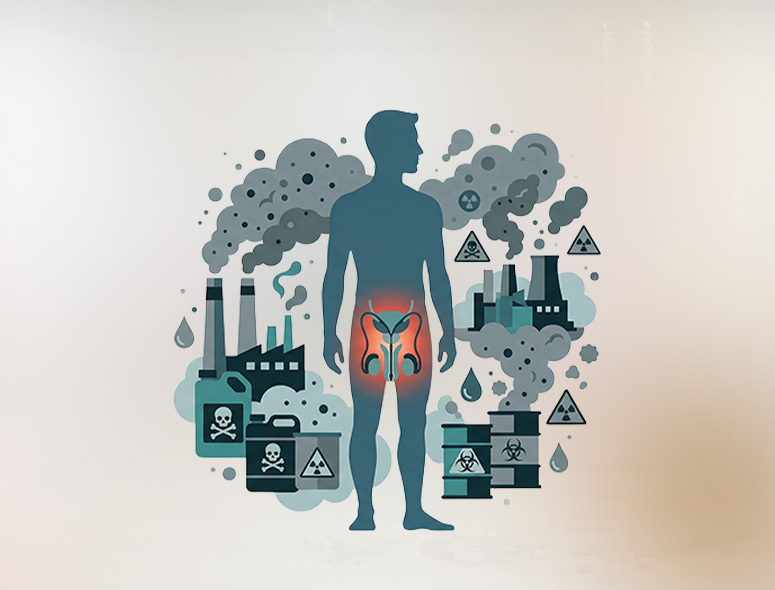
Prolonged exposure to toxin/ chemicals

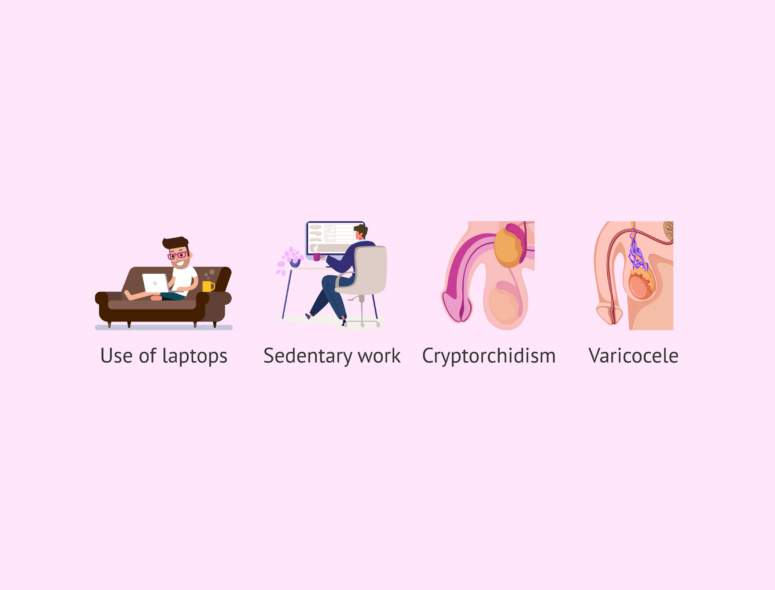
Overheating of testicles

Symptoms of Male Infertility

When to See a Doctor for Male Factor Infertility?

Consult a male fertility specialist like Dr. Vaishali Grover if you notice any of the following red flags.

Treatment Approach

Dr. Vaishali Grover’s Treatment Approach for Male Infertility

Dr. Vaishali Grover, an experienced infertility specialist in Ludhiana, leverages a highly tailored approach, advanced diagnostics, and modern medical protocols to treat complex infertility challenges, focused on enabling biological fatherhood.

Initial Consultation

In the first, deep-dive consultation, the doctor meets you and your partner and gathers details about the couple’s personal and family medical history, symptoms, sexual habits, and lifestyle through a two-way conversation. This is followed up with a physical examination to determine overall health and identify visible anatomical concerns.
Advanced Diagnosis

The doctor uses one or more tests to identify the cause of male infertility:

Tailored Treatment

Depending upon the patient’s condition, causative factors, and specific needs, Dr. Vaishali Grover utilizes a combination of the following methods to treat male infertility:

Why Choose Us?

The Grover Edge

01

Science-Backed Methodology

Each treatment plan is based on the latest clinical research & global medical protocols to ensure higher success rates.

02

Advanced Techniques & Treatments

Dr. Vaishali Grover leverages leading-edge Assisted Reproductive Technology (ART) and the latest best practices.

03

Outcome-Driven, Ethical Approach

Our outcome-driven approach is rooted in transparency, trust & ethics, enabling us to consistently deliver successful outcomes.

04

Gentle, Compassionate Care

We offer a supportive environment and a gentle, personalized touch for couples navigating complex reproductive journeys.

Frequently Asked Questions

Male fertility is a complex process that requires more than just the production of sperms. The sperm produces must be of high quality, in good quantities, and have good motility (movement) & morphology (shape). In simple terms, healthy sperms should be carried into the semen and when ejaculated, be able to move properly and reach & penetrate the egg.

This process can be affected by a number of medical, environmental, and lifestyle reasons, causing male infertility.  

  • Medical Causes such as infections, ejaculation issues, tumours, anatomical defects, genetic disorders, prior surgeries, medical conditions, cancer treatments, hormonal imbalances, and tubular defects.
  • Environmental Causes such as exposure to heavy metals, industrial chemicals, and radiation, as well as, the overheating of testicles.
  • Lifestyle & Health Causes such as drug abuse, smoking, alcohol, sedentary lifestyle, obesity, poor mental health, and STIs.

Note: You may also have unexplained infertility wherein standard tests appear normal and no causes have been found for your infertility.

If you are unable to conceive after 12 months of frequent, unprotected intercourse, you and your partner should visit a fertility specialist like Dr. Vaishali Grover. If you notice the following signs and symptoms in your male partner, it may indicate male factor infertility:

  • Erection or ejaculation problems
  • Low sex drive
  • Problems with sexual function
  • Pain/ lump/ swelling in testicle area
  • Recurrent respiratory infections
  • Abnormal breast growth
  • Decreased facial or body hair
  • Past surgery in groin, scrotum, penis or testicle

For a diagnosis of male infertility, Dr. Vaishali Grover, a leading infertility specialist in Ludhiana, leverages necessary tests such as semen analysis, sperm function tests, blood work, hormone testing, TESA, biopsy, and imaging tests.

Not at all. A low sperm count may make natural conception more difficult, but it is not impossible. With specialized treatments like ICSI and IUI, few good-quality, motile sperms are adequate to achieve a successful pregnancy. Dr. Vaishali Grover leverages advanced procedures like TESA (Trans Epididymal Sperm Aspiration) to retrieve such sperms in case of complex or absolute infertility.

While stress is rarely the sole cause of infertility, chronic stress can disrupt the sexual function and hormonal imbalances, leading to lower testosterone levels and reduced sperm production. High cortisol (the stress hormone) can also negatively impact sperm motility and shape, making it harder for sperm to reach the egg.
Lifestyle changes including stress management, healthy weight, balanced diet, and temperature control often show measurable results in just a few months.

Dr. Vaishali Grover, an experienced infertility specialist in Ludhiana, leverages a highly tailored approach, advanced diagnostics, and modern medical protocols to treat complex infertility challenges, focused on enabling biological fatherhood. Depending upon the patient’s condition, causative factors, and specific needs, Dr. Vaishali Grover utilizes a combination of the following methods to treat male infertility:

  • Antibiotics for infections
  • Medication & treatments for sexual dysfunction
  • Fertility awareness
  • Lifestyle changes
  • Surgical retrieval through TESA
  • Assisted reproduction like IVF, ICSI, or IUI
  • Referral to a urologist

Trans Epididymal Sperm Aspiration (TESA) is a minimally invasive, day-care procedure performed under local anaesthesia by an expert like Dr. Vaishali Grover. Most patients experience only minor discomfort and are able to return to their normal routine quickly.

Polycystic Ovarian Disease (PCOD)

Polycystic Ovarian Disease (PCOD)

Consult Dr. Vaishali Grover, a distinguished gynaecologist in Ludhiana, for patient-focused, multidimensional PCOD/ PCOS management, designed to restore hormonal health.

What is Polycystic Ovarian Disease (PCOD)?

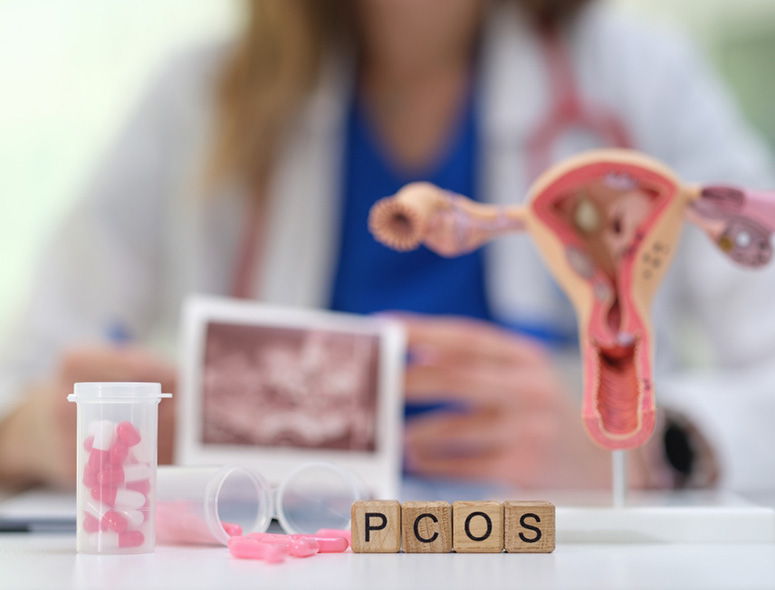
Polycystic Ovarian Disease (PCOD) is one of the most common hormonal disorders affecting women of reproductive ages wherein the ovaries produce excessive amounts of androgen (male hormones). This hormonal imbalance interferes with normal ovarian functioning including the natural ovulation cycle. Instead of releasing a single mature egg, the ovaries produce numerous immature/ partially mature eggs (follicles) when you have PCOD. Remaining trapped within the ovaries, these immature follicles eventually form fluid-filled sacs or cysts.

While often interchangeably used, PCOD is different from PCOS (polycystic ovarian syndrome). PCOD is a largely manageable hormonal imbalance while PCOS is a complex endocrine disorder with more severe, long-term metabolic risks and systemic complications.

What Causes PCOD/ PCOS?

While the exact cause of PCOD/ PCOS is not known, several risk factors play a role in its development.

Symptoms of PCOD/ PCOS

Irregular periods with very heavy or scanty bleeding

Obesity/ unexplained weight gain

Oily skin and acne on the face, chest, back

Skin darkening in neck folds/ armpits/ groin/ under breasts

Hair thinning or hair loss (male-pattern baldness)

Abnormal facial & body hair growth

Fatigue and depression

Inability to conceive

Note: While PCOD and PCOS share most symptoms, periods may be completely absent in PCOS and other symptoms are usually more chronic and severe.

When to See a Doctor for PCOD/ PCOS?

Consult an experienced gynaecologist like Dr. Vaishali Grover if you notice any of the following red flags. 

Treatment Approach

Dr. Vaishali Grover’s Treatment Approach for PCOD/ PCOS

Dr. Vaishali Grover, one of the best gynaecologists in Ludhiana, utilizes a patient-focused, multidimensional approach for PCOS/ PCOD management. She seamlessly combines modern medical protocols with lifestyle and dietary optimization to help patients restore hormonal balance and prevent the risks of infertility and chronic diseases like Type 2 Diabetes, gestational diabetes, and endometrial cancer.

Initial Consultation

In the first, deep-dive consultation, the doctor will gather key information required for the diagnosis and eventual treatment, asking questions about your personal and family medical history, medications, symptoms, menstrual cycle, and weight changes. This is followed by a physical examination to check for signs such as acne, hair growth, and insulin resistance and a pelvic examination to evaluate your reproductive organs. 

Advanced Diagnosis

The doctor may order one or more of the following tests to confirm the PCOD/ PCOS diagnosis.

Tailored Treatment

Dr. Vaishali Grover, a trusted gynaecologist in Ludhiana, designs an individualized, evidence-based treatment plan based on the patient’s condition, specific risk factors, and metabolic profile. While the specific treatment will vary based on whether you want to become pregnant, it typically includes a combination of medications and lifestyle changes.

Risks & Complications

Risks and Complications of PCOS/ PCOD

PCOD and PCOS put you at an increased risk of several health conditions including:

Type 2 and gestational diabetes

Cardiovascular diseases & hypertension

Endometrial hyperplasia & cancer

Sleep disorders, anxiety & depression

Severe liver inflammation

Infertility & miscarriages

Why Choose Us?

The Grover Edge

01

Science-Backed Methodology

Each treatment plan is based on the latest clinical research & global medical protocols to ensure higher success rates.

02

Advanced Techniques & Treatments

Dr. Vaishali Grover leverages leading-edge Assisted Reproductive Technology (ART) and the latest best practices.

03

Outcome-Driven, Ethical Approach

Our outcome-driven approach is rooted in transparency, trust & ethics, enabling us to consistently deliver successful outcomes.

04

Gentle, Compassionate Care

We offer a supportive environment and a gentle, personalized touch for couples navigating complex reproductive journeys.

Frequently Asked Questions

While the exact cause of PCOD/ PCOS is not known, there are several risk factors that increase the androgen production by your ovaries:

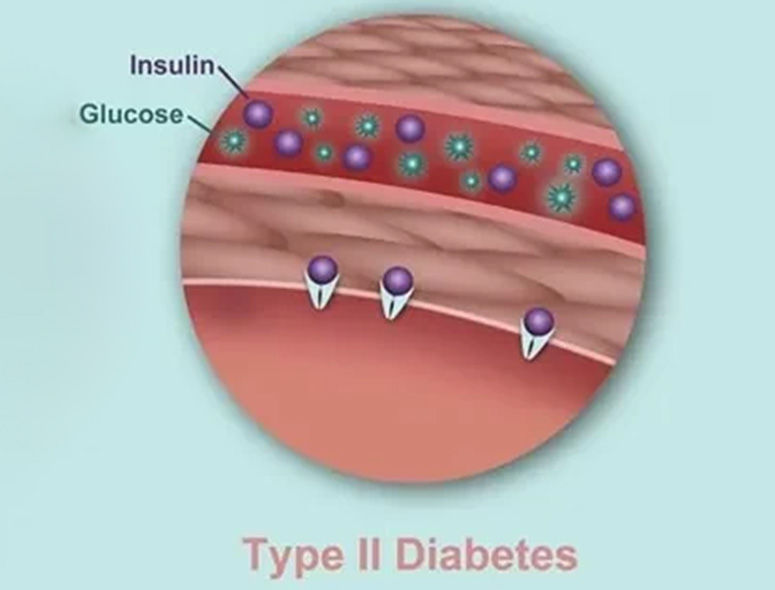
  • Insulin resistance: If you are insulin resistant, the body produces higher levels of insulin to maintain normal glucose levels. This, in turn, increases androgen levels.
  • Hormonal imbalance: Higher levels of insulin and luteinizing hormone (LH) contribute to the development of PCOS/ PCOD.
  • Genetic predisposition: If your mother, sister, or aunt have been diagnosed with the condition, you are at a higher risk.  
  • Chronic low-grade inflammation: If the white blood cells and C-reactive protein (CRP) levels in your body are high, they increase androgen production.
Unhealthy lifestyle: Poor sleep habits, sedentary lifestyle, and high stress levels often contribute to the development of PCOD/ PCOS.

While PCOD and PCOS are not completely curable, they are both manageable. PCOD, in fact, is a highly reversible condition with early diagnosis and evidence-led, individualized treatments to restore hormonal balance and eliminate symptoms. PCOS, being a more complex condition, is completely manageable with consistent lifestyle optimization and discipline to effectively control and prevent long-term metabolic risks like diabetes.

Even though PCOD/ PCOS is the leading cause of female infertility, it is possible to conceive and have a healthy pregnancy even with the condition. Many women with the condition are able to conceive naturally with just disciplined lifestyle optimization. For others, ovulation induction and assisted reproduction may be necessary to achieve a healthy pregnancy.

Dr. Vaishali Grover, the best gynaecologist for infertility in Ludhiana, leverages a science-based, compassionate, and highly individualized approach to help you manage your PCOS/ PCOD and aid you with conception either naturally or through medications and assisted reproduction.

While often interchangeably used, PCOD (polycystic ovarian disease) is different from PCOS (polycystic ovarian syndrome). PCOD is a largely manageable hormonal imbalance while PCOS is a complex endocrine disorder with more severe, long-term metabolic risks and systemic complications. While PCOD and PCOS share most symptoms, periods may be completely absent in PCOS and other symptoms are usually more chronic and severe.

You are struggling to lose weight with PCOD/ PCOS mainly due to Insulin Resistance. The body produces more insulin to keep the blood sugar levels normal, which triggers the body to store fat and trigger cravings. The hormonal imbalance and slower metabolic rate caused by PCOS/ PCOD make weight loss more challenging. Dr. Vaishali Grover empowers you to tackle these challenges effectively and achieve sustainable weight loss using individualized plans combining lifestyle and dietary changes, as well as, medications.

No. Many healthy women have polycystic-looking ovaries on an ultrasound. A PCOS diagnosis requires at least two of three criteria: irregular periods, high androgen levels (clinical or biochemical), and/or polycystic ovaries.

Menstrual Abnormalities

Menstrual Abnormalities

Consult Dr. Vaishali Grover, a distinguished gynaecologist in Ludhiana, for the expert management of painful periods, heavy bleeding & irregular cycles to improve your quality of life.

What are Menstrual Abnormalities?

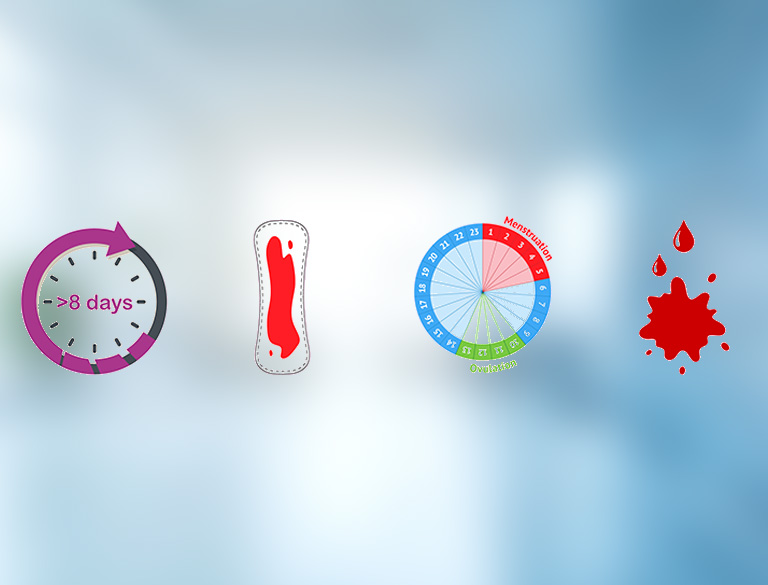
A normal menstrual cycle lasts between 21 days to 35 days, with bleeding lasting for 4 to 7 days. Menstrual irregularities or abnormalities occur when a woman’s cycle consistently falls outside these parameters. They could cause a woman to have menstrual cycles that are too longer (more than 35 days apart) or too short (less than 21 days apart), three or more missing periods in a row, and too heavy or too scanty flow. While slight delays and mild abnormalities are not a cause for concern, persistent menstrual abnormalities and irregularities are often a sign of underlying health issues. Expert gynaecological intervention is necessary to identify these underlying health issues and prevent complications like anaemia and infertility.

What Causes Menstrual Abnormalities?

Symptoms of Menstrual Abnormalities

Menstrual cycle shorter than 21 days or longer than 35 days

Three or more periods missed in a row

Excessive heavy bleeding (soaking more than 1 pad or tampon every 1-2 hours)

Light or extremely scanty bleeding

Periods longer than 7 days

Bleeding or spotting between periods

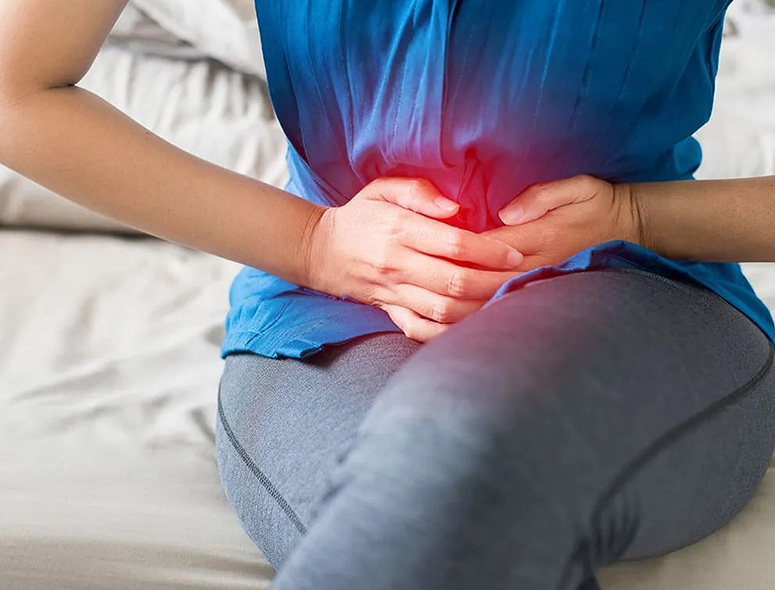
Severe cramps/ pelvic pain

Periods accompanied by nausea or vomiting

When to See a Doctor for Menstrual Abnormalities?

Consult an experienced gynaecologist like Dr. Vaishali Grover if you notice any of the following red flags.

Treatment Approach

Dr. Vaishali Grover’s Treatment Approach for Menstrual Abnormalities

Dr. Vaishali Grover, one of the best gynaecologists in Ludhiana, utilizes a compassionate, patient-centric approach to help regulate menstrual cycles. She expertly combines root cause management, lifestyle changes, and modern therapies to improve your quality of life and prevent long-term complications of abnormal menstruation.

Initial Consultation

In the first, deep-dive consultation, the doctor will gather key information required for the diagnosis and eventual treatment, asking questions about your personal and family medical history, medications, symptoms, lifestyle, menstrual cycle, and weight changes. This is followed by a physical and pelvic examination to evaluate your reproductive organs and look for visible signs of complications like anaemia.

Advanced Diagnosis

The doctor may order one or more of the following tests for the diagnosis of abnormal menstruation and identifying underlying causes.

Tailored Treatment

Dr. Vaishali Grover, a trusted gynaecologist in Ludhiana, designs an individualized, evidence-based treatment plan based on the patient’s condition, symptoms, specific risk factors, and overall health profile. She uses a combination of:

Risks & Complications

Risks and Complications of Menstrual Abnormalities

If menstrual abnormalities are left untreated, they have severe consequences including:

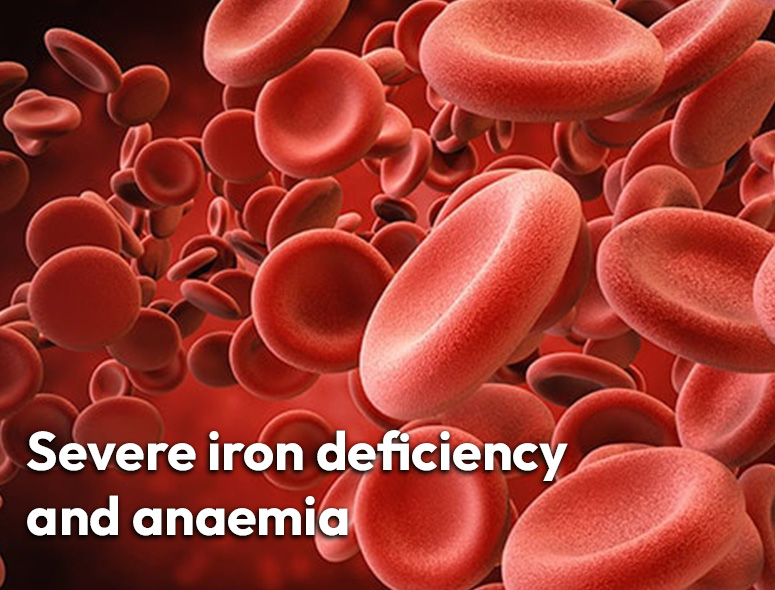
Severe iron deficiency and anaemia

Infertility and reproductive issues

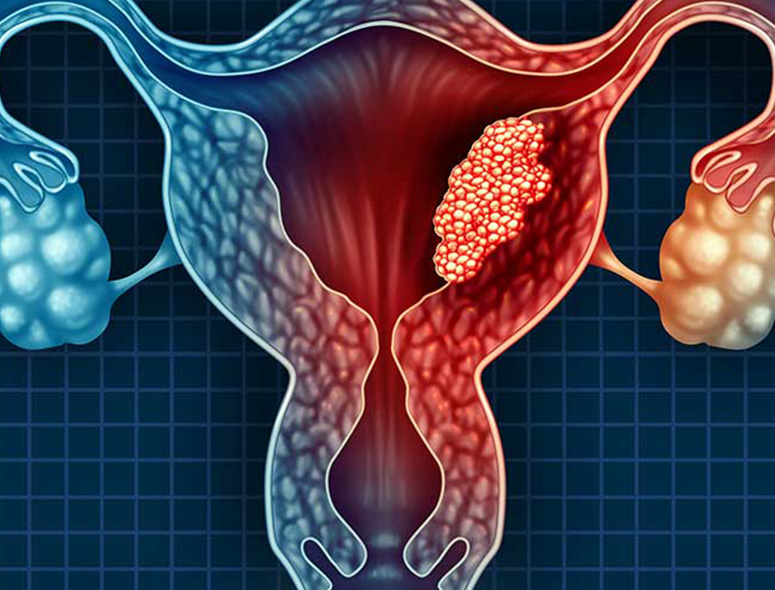
Endometrial cancer

Chronic pain

Osteoporosis

Cardiovascular risks

Why Choose Us?

The Grover Edge

01

Science-Backed Methodology

Each treatment plan is based on the latest clinical research & global medical protocols to ensure higher success rates.

02

Advanced Techniques & Treatments

Dr. Vaishali Grover leverages leading-edge Assisted Reproductive Technology (ART) and the latest best practices.

03

Outcome-Driven, Ethical Approach

Our outcome-driven approach is rooted in transparency, trust & ethics, enabling us to consistently deliver successful outcomes.

04

Gentle, Compassionate Care

We offer a supportive environment and a gentle, personalized touch for couples navigating complex reproductive journeys.

Frequently Asked Questions

 Menstrual abnormalities are caused by a number of factors including:

  • Hormonal imbalances
  • Metabolic & endocrine disorders
  • Medical factors (cancer, bleeding disorders & structural abnormalities)
  • Gynaecological conditions (endometriosis, PCOD, PID)
  • Lifestyle factors (including stress & anxiety)
  • Hormonal contraception & birth control pills
  • Menopause or perimenopausal stages

There are several ways a menstrual cycle can be classified as abnormal:

  • Amenorrhea: The complete absence of periods for three months or more.
  • Dysmenorrhea: Severely painful periods characterized by intense cramping and nausea.
  • Menorrhagia: Abnormally heavy or prolonged bleeding (lasting more than 7 days).
  • Oligomenorrhea: Infrequent periods where the cycle is longer than 35 days.
  • Metrorrhagia: Bleeding or spotting that occurs between your regular periods.

If you are soaking up and need to change your sanitary pad or tampon every 1–2 hours, find yourself double-padding or waking up at night to change, your flow is clinically heavy and can lead to anaemia.

Dysmenorrhea and amenorrhea represent two opposite ends of menstrual distress:

Dysmenorrhea refers to painful menstruation. It involves severe uterine contractions that cause pelvic pain, backaches, and sometimes vomiting.

Amenorrhea refers to the complete absence of menstruation. This can be primary (where periods have not started until age 15) or secondary (where periods that were once regular but have stopped for at least three months).

 Yes. If menstrual abnormalities are left untreated, they have severe consequences including:

  • Severe iron deficiency and anaemia
  • Infertility and reproductive issues
  • Endometrial cancer
  • Chronic pain
  • Osteoporosis
  • Cardiovascular risks

Consult an experienced gynaecologist like Dr. Vaishali Grover if you notice any of the following red flags. 

  • Severe cramping/ pain between or during periods
  • Absent or long-lasting periods
  • Heavy bleeding/ abnormally large clots
  • Foul-smelling vaginal discharge
  • Vaginal bleeding or spotting between periods
  • Dizziness/ weakness/ sudden weight changes

Dr. Vaishali Grover, one of the best gynaecologists in Ludhiana, utilizes a compassionate, patient-centric approach to help regulate menstrual cycles. She expertly combines root cause management, lifestyle changes, and modern therapies to improve your quality of life and prevent long-term complications of abnormal menstruation.

The doctor may order one or more tests including ultrasound, blood tests, and hysteroscopy for the diagnosis of abnormal menstruation and identifying underlying causes. She designs an individualized, evidence-based treatment plan based on the patient’s condition, symptoms, specific risk factors, and overall health profile. She uses a combination of:

  • Medications:
      • Hormonal birth control pills
      • Hormone therapy
      • Pain relief medicines
      • Antibiotics and anti-inflammatory medicines
      • Medicines for root causes
  • Lifestyle adjustments:
      • Healthy diet
      • Regular exercise
      • Stress and anxiety management
  • Surgical interventions for severe cases:
    • Myomectomy to remove uterine fibroids
    • Endometrial ablation
    • Uterine artery embolization
    • Hysterectomy


Pelvic Inflammatory Disease (PID)

Pelvic Inflammatory Disease (PID)

Consult Dr. Vaishali Grover, one of the most trusted gynaecologists in Ludhiana, for comprehensive, prompt interventions for Pelvic Inflammatory Disease (PID).

What is Pelvic Inflammatory Disease?

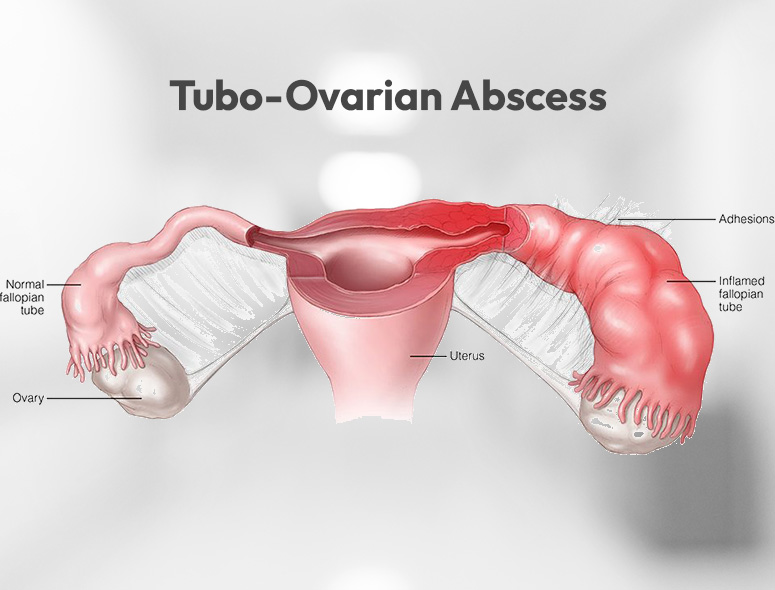
Pelvic Inflammatory Disease (PID) is a serious infection of the female reproductive organs (uterus, ovaries & fallopian tubes). This is a bacterial infection that occurs when certain types of bacteria spread upward to the ovaries, uterus and/or fallopian tubes through the vaginal route. While untreated STIs (Sexually Transmitted Infections) are the most common cause of PID, other bacteria including out-of-balance vaginal bacteria can cause these infections. Early screening and prompt treatment for pelvic inflammatory disease can prevent scar tissue formation and long-term, irreversible damage of the reproductive organs.

What Causes Pelvic Inflammatory Disease?

Note: You are at a high risk of getting PID if you have a history of untreated STIs, have multiple sexual partners, or have had PID in the past.

Symptoms of Pelvic Inflammatory Disease

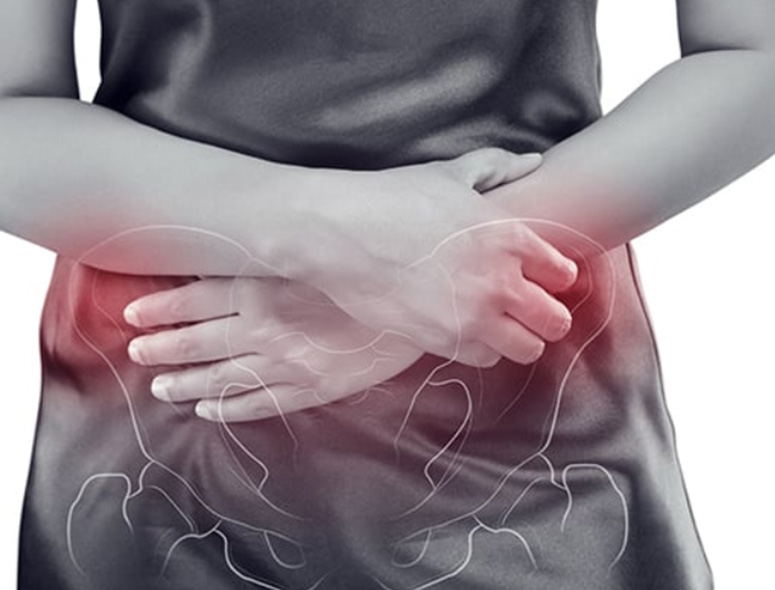
Abdominal pain or tenderness

Abnormal vaginal discharge

Chills or fever

Pain during intercourse

Frequent urination/ burning sensation while urinating

Irregular periods

Spotting or cramping between periods

Nausea/ vomiting

When to See a Doctor for Pelvic Inflammatory Disease?

Consult an experienced gynaecologist like Dr. Vaishali Grover if you notice any of the following red flags.

Treatment Approach

Dr. Vaishali Grover’s Treatment Approach for Pelvic Inflammatory Disease

Dr. Vaishali Grover, one of the best gynaecologists in Ludhiana, offers comprehensive, prompt management of Pelvic Inflammatory Disease (PID) with a specialized focus on early diagnosis, prevention of long-term complications, and reducing the risk of recurrence.

Initial Consultation

In the first, deep-dive consultation, the doctor will gather key information required for the diagnosis and eventual treatment, asking questions about your personal and family medical history, general health, symptoms, sexual habits, menstrual cycle, and lifestyle. This is followed by a physical and pelvic examination to evaluate your reproductive organs and look for tenderness or abscesses.

Advanced Diagnosis

The doctor may order one or more of the following tests to confirm a PID diagnosis and understand root causes.

Tailored Treatment

Dr. Vaishali Grover, a trusted gynaecologist in Ludhiana, designs an individualized, evidence-based treatment plan for PID using a combination of:

Risks & Complications

Risks and Complications of Pelvic Inflammatory Disease

If PID is left untreated or not treated promptly, it causes severe, long-term complications including:

Infertility

Ectopic pregnancy

Chronic pelvic pain

Tubo-Ovarian Abscess

Why Choose Us?

The Grover Edge

01

Science-Backed Methodology

Each treatment plan is based on the latest clinical research & global medical protocols to ensure higher success rates.

02

Advanced Techniques & Treatments

Dr. Vaishali Grover leverages leading-edge Assisted Reproductive Technology (ART) and the latest best practices.

03

Outcome-Driven, Ethical Approach

Our outcome-driven approach is rooted in transparency, trust & ethics, enabling us to consistently deliver successful outcomes.

04

Gentle, Compassionate Care

We offer a supportive environment and a gentle, personalized touch for couples navigating complex reproductive journeys.

Frequently Asked Questions

The most common cause of Pelvic Inflammatory Disease (PID) is untreated sexually transmitted infections (STIs). Gonorrhoea and Chlamydia are the two most common STIs causing PID. You are at a high risk of getting PID if you have a history of untreated STIs, have multiple sexual partners, or have had PID in the past.

Even if you are not sexually active, you may get PID if your vaginal flora is out of balance. It is also possible to get PID after the insertion of Intrauterine Device (IUD), pelvic surgery, childbirth or miscarriage.

Yes, it is possible to get Pelvic Inflammatory Disease even if you don’t have sexually transmitted diseases (STDs) or STIs. Even if you are not sexually active, you may get PID if your vaginal flora is out of balance. It is also possible to get PID after the insertion of Intrauterine Device (IUD), pelvic surgery, childbirth or miscarriage.

Yes, Pelvic Inflammatory Disease (PID) is curable with prompt antibiotic treatment that addresses and eliminates the underlying infections. However, antibiotics cannot prevent long-term damage or reverse scarring caused by the infection. This is why early diagnosis by an expert like Dr. Vaishali Grover is necessary to prevent long-term complications.

Yes, if Pelvic Inflammatory Disease (PID) is left untreated or not treated effectively, it can cause permanent damage to the reproductive organs including scarring of the fallopian tubes and ovaries. This, in turn, affects your fertility and increases the risks of ectopic pregnancy.

Yes. Preventive measures for Pelvic Inflammatory Disease (PID) include:

  • Using condoms during sexual intercourse
  • Limiting sexual partners
  • Getting regular STI screening for yourself and your partner(s)
  • Seeking prompt treatment if you notice symptoms

Dr. Vaishali Grover, one of the best gynaecologists in Ludhiana, offers comprehensive, prompt management of Pelvic Inflammatory Disease (PID) with a specialized focus on early diagnosis, prevention of long-term complications, and reducing the risk of recurrence. The doctor may order one or more tests including blood tests, vaginal culture tests, ultrasound, and endometrial biopsises to confirm a PID diagnosis and understand root causes.

Dr. Vaishali Grover designs an individualized, evidence-based treatment plan for PID using a combination of:

  • Mix of antibiotics to treat infections
  • IV medication if pregnant or in severe cases
  • Checking and treating the partner(s) for STIs
  • Sexual abstinence until symptoms have cleared
  • Surgery only in severe cases where the abscesses are at a risk of bursting

Recurrent Miscarriage

Recurrent Miscarriage

Consult Dr. Vaishali Grover, a highly respected gynaecologist and infertility specialist in Ludhiana, for compassionate, individualized, and ethical solutions for recurrent miscarriage.

What is Recurrent Miscarriage?

Recurrent miscarriage is clinically defined as having 3 or more consecutive early miscarriages. An early miscarriage is defined as one that happens in the first trimester (first 12 weeks of pregnancy). Affecting nearly 5% of women, it is caused by chromosomal abnormalities, uterine issues, blood clotting disorders, and hormonal imbalances. In 50% of the cases, it remains unexplained.

The good news: While this experience is emotionally taxing, it is important to know that nearly 60–80% of women with a history of recurrent loss go on to have a successful pregnancy with the right medical intervention.

What Causes Recurrent Miscarriage?

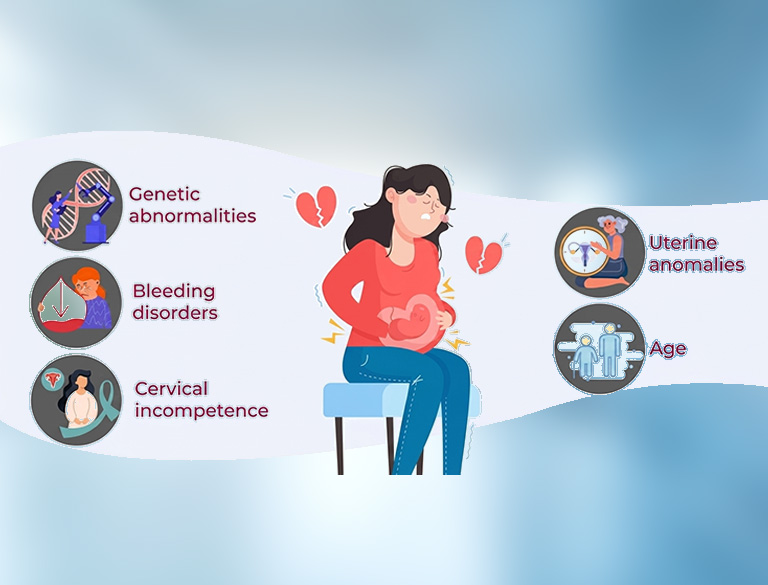
Understanding the cause is the first step toward a solution. Recurrent miscarriage is often a multi-factorial issue:

Note: You may also have unexplained recurrent miscarriage wherein tests do not show any abnormalities.

The Risk Factors of Recurrent Miscarriage

The following are some of the factors that put you at recurrent miscarriage.

Advanced age

Abnormal menstrual cycles

Hormonal imbalances

Underweight/ overweight

Excessive alcohol/ caffeine consumption

Smoking/ drug abuse

Genetics

Pre-existing autoimmune or metabolic disorders

Symptoms of Recurrent Miscarriage

When to See a Doctor for Male Factor Infertility?

Consult a male fertility specialist like Dr. Vaishali Grover if you notice any of the following red flags.

Treatment Approach

Dr. Vaishali Grover’s Treatment Approach for Recurrent Miscarriage

Dr. Vaishali Grover, an experienced gynaecologist for infertility in Ludhiana, leverages a highly individualized, empathetic approach to treat recurrent miscarriage, helping you to have a healthy pregnancy and fulfil your dream of parenthood.

Initial Consultation

In the first, deep-dive consultation, the doctor gathers information about your menstrual history, past pregnancies, personal & family medical history, symptoms, and lifestyle through a two-way conversation, followed by a physical and pelvic examination.

Advanced Diagnosis

The doctor uses one or more tests to identify the cause of recurrent miscarriage:

Tailored Treatment

Depending upon the patient’s condition, causative factors, and specific needs, Dr. Vaishali Grover utilizes a combination of the following methods:

Why Choose Us?

The Grover Edge

01

Science-Backed Methodology

Each treatment plan is based on the latest clinical research & global medical protocols to ensure higher success rates.

02

Advanced Techniques & Treatments

Dr. Vaishali Grover leverages leading-edge Assisted Reproductive Technology (ART) and the latest best practices.

03

Outcome-Driven, Ethical Approach

Our outcome-driven approach is rooted in transparency, trust & ethics, enabling us to consistently deliver successful outcomes.

04

Gentle, Compassionate Care

We offer a supportive environment and a gentle, personalized touch for couples navigating complex reproductive journeys.

Frequently Asked Questions

Recurrent miscarriage could be caused by one or more factors such as:

  • Abnormal chromosomes
  • Blood clotting disorders
  • Hormonal imbalances
    • Thyroid disorder
    • Prolactin imbalances
    • PCOS/ PCOD
    • Progesterone deficiencies
  • Uterine problems
  • Cervical weakness
  • Infections
  • Metabolic disorders

Note: You may also have unexplained recurrent miscarriage wherein tests do not show any abnormalities.

No. Miscarriage is almost never caused by stress, exercise, or minor accidents. Most losses are biological – related to genetics, hormones, or anatomy. Dr. Vaishali Grover, a leading gynaecologist and fertility specialist in the Ludhiana region, focuses on finding that biological cause and addressing it.

While the clinical definition is three losses, Dr. Vaishali Grover recommends a consultation after two losses, especially for women over 35, to begin proactive testing and avoid further emotional distress.

Yes. In many cases, sperm quality or paternal genetic factors can contribute to recurrent loss. A comprehensive evaluation of both partners is a standard part of Dr. Vaishali Grover’s protocol.

Absolutely. Most women with recurrent miscarriage have a very high chance of a successful future pregnancy once the underlying cause is identified and managed.

Not always. While a standard ultrasound is a great starting tool, Dr. Vaishali Grover, a respected fertility specialist in Ludhiana, often uses Hysteroscopy or a 3D Saline Ultrasound to get a clearer view of the internal shape of the womb, which is essential for diagnosing issues like a uterine septum.