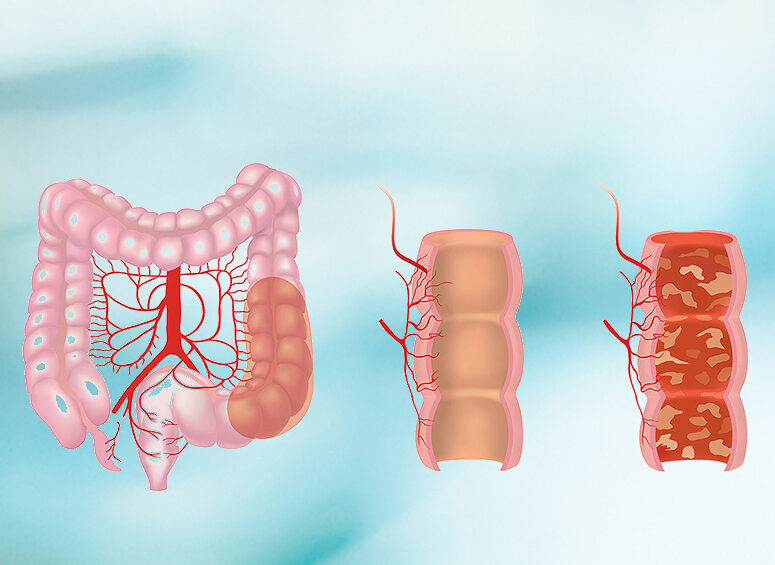

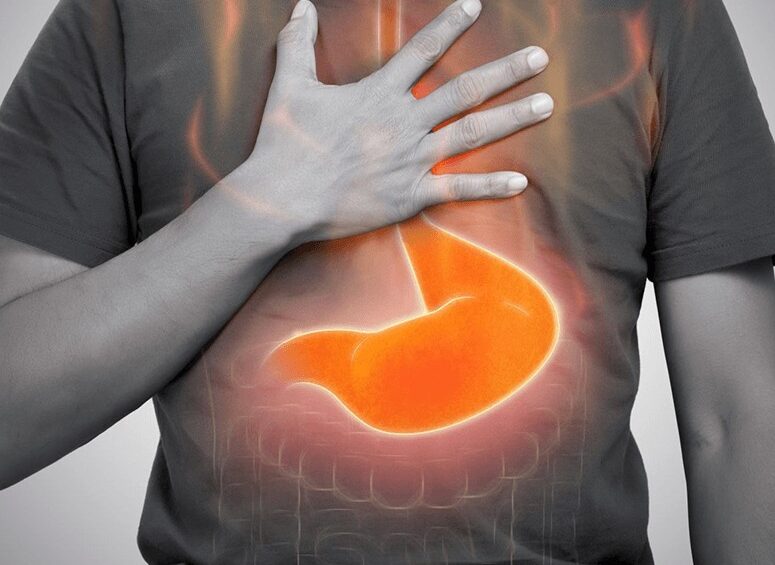
Heartburn & GERD

Heartburn & GERD

Consult Dr. Rajiv Grover, a distinguished gastroenterologist in Ludhiana, for comprehensive care and lasting relief from chronic acidity, recurrent heartburn, and GERD.
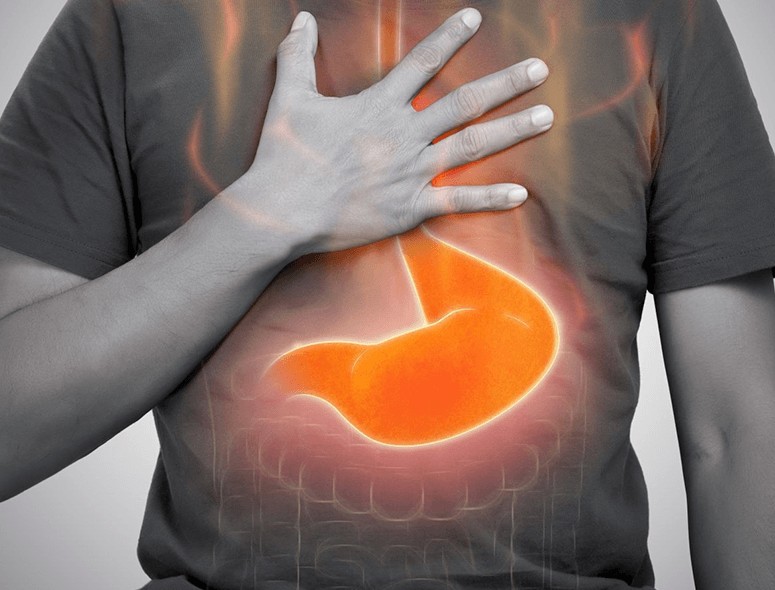
What is Heartburn & GERD?

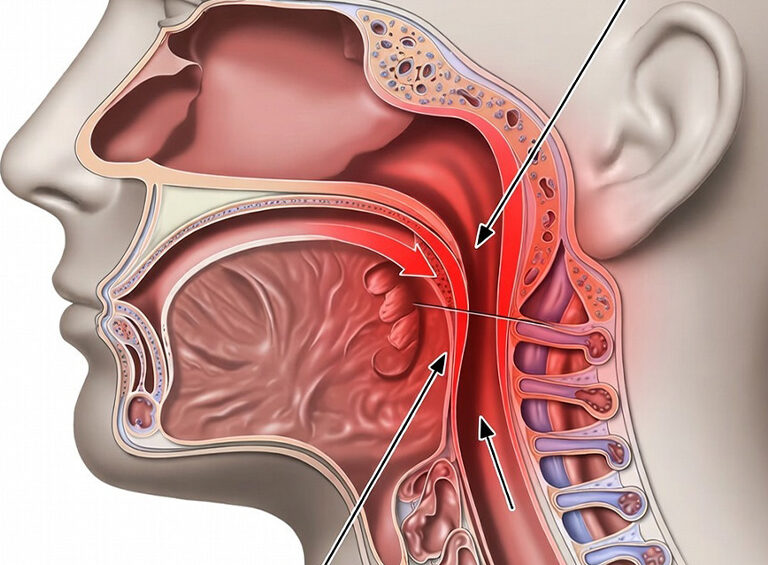
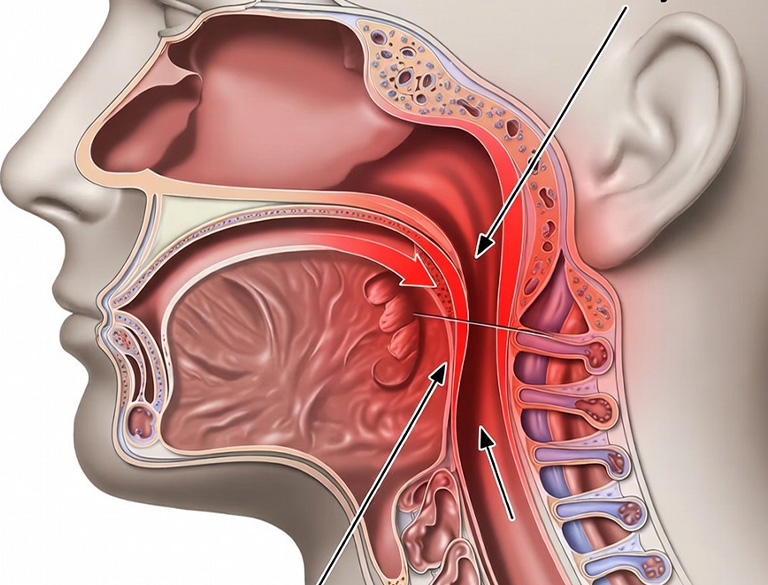
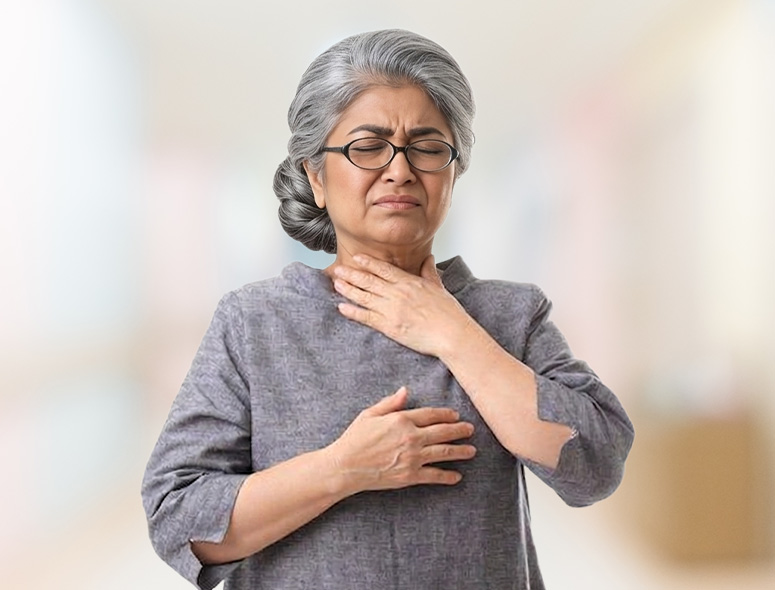
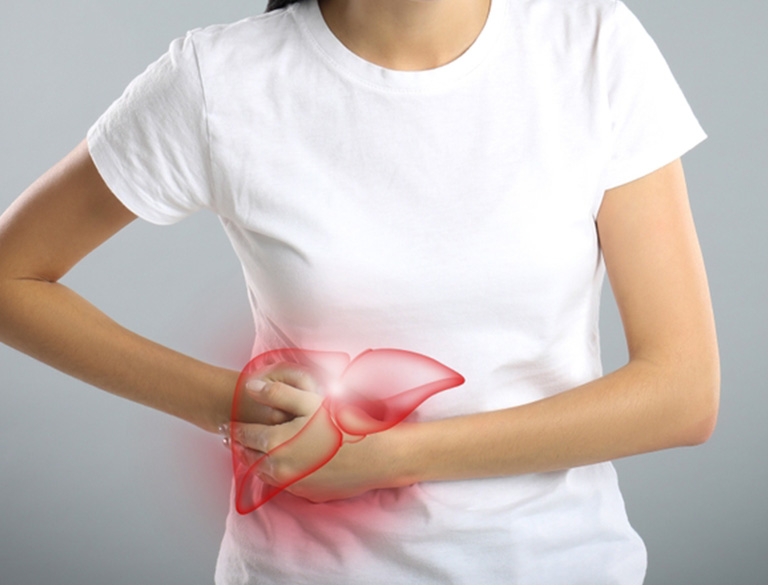
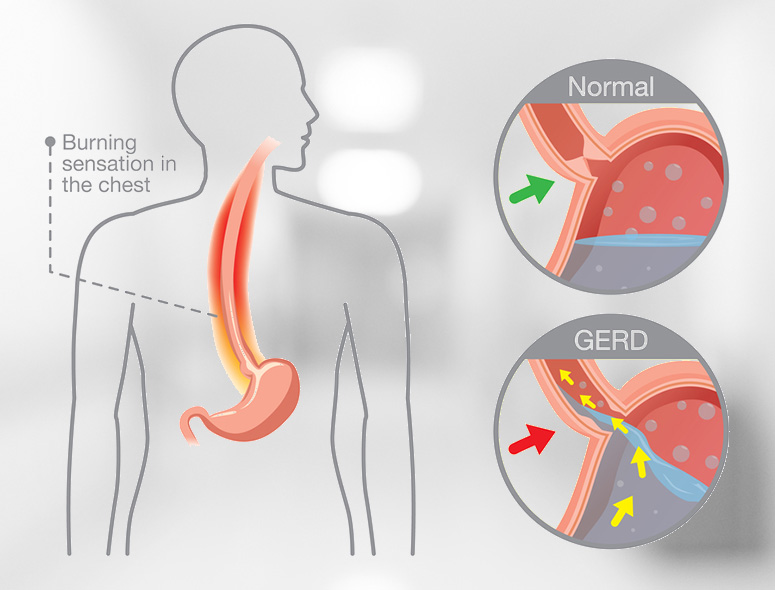
Gastroesophageal Reflux Disease (GERD) occurs when your stomach acid frequently flows back up into your esophagus (food pipe). This backwash (acid reflux) irritates the lining of the esophagus, causing heartburn, bitterness in the mouth, and other symptoms.

While many people occasionally experience acid reflux after a heavy meal, repeated acid reflux and heartburn that happens at least twice a week for several weeks is considered chronic. Chronic acid reflux or GERD can cause real damage to your esophageal tissues. Unlike temporary acid reflux that can be managed with home remedies and non-prescription antacids, GERD is a progressive condition that requires expert gastroenterological intervention to prevent long-term complications.

Symptoms of Heartburn & GERD

Heartburn (burning feeling in the chest)

Regurgitation (food/ acid/ liquid coming back into the throat or mouth)

Bitter or sour taste in the mouth

Non-cardiac chest pain/ upper belly pain

Sore throat

Sensation of a lump in the throat

Trouble swallowing (Dysphagia)

Asthma symptoms (chronic coughing, wheezing, shortness of breath)

When to See a Doctor for Heartburn & GERD?

It is critical get immediate medical help, if you notice any of the following warning signs.

Critical Note: If you are experiencing chest pain, especially when accompanied by short of breath or jaw/ arm pain, it could be a heart attack. You must rush to the nearest hospital and seek immediate medical attention.
Treatment Approach

Dr. Rajiv Grover’s Treatment Approach for Heartburn & GERD

Dr. Rajiv Grover, one of the most trusted digestive disorder specialists in the Ludhiana region, specializes in the comprehensive, patient-centric management of chronic acidity, recurrent heartburn, and GERD. He empowers patients to achieve significant symptom control and experience quality of life improvement.

Initial Consultation

In the first, deep-dive consultation, the doctor gathers information about your medical history, the frequency and severity of symptoms, lifestyle, habits, and diet through a two-way conversation, followed by a physical examination.

Advanced Diagnosis

The doctor may use one or more of the following diagnostic tests to confirm your GERD diagnosis and check for complications:

Tailored Treatment

The doctor designs an individualized treatment plan that goes beyond providing temporary relief from symptoms. The focus is to ensure long-term GERD management, achieve significant symptom control, prevent complications such as cancers and ulcers, and enable a quality-of-life improvement. The doctor may leverage one or more of the following in your treatment plan.

Risks & Complications

What Happens If You Leave Heartburn & GERD Untreated?

Persistent heartburn, chronic acidity, and GERD, if not effectively managed, can cause irreversible damage.
Esophagitis (Inflammation of esophageal tissues)
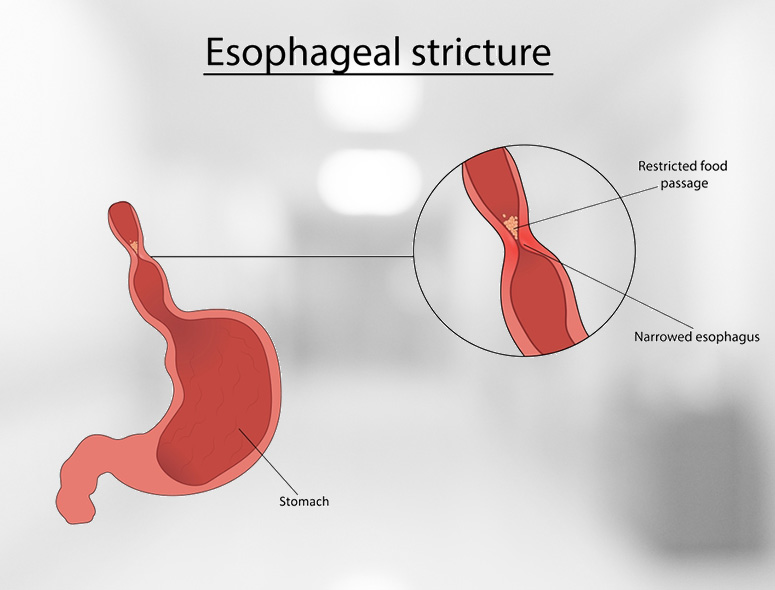
Esophageal strictures (Narrowing of the esophagus)
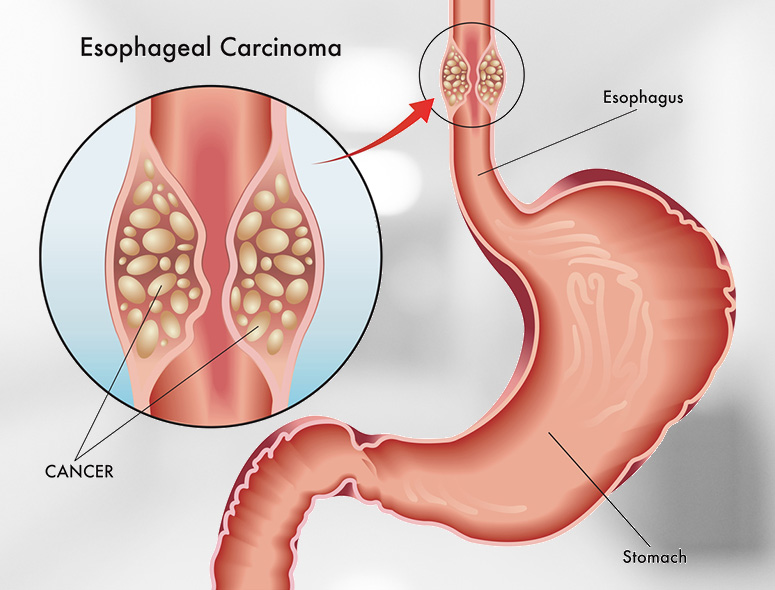
Barrett’s Esophagus (pre-cancerous stage) and increased risk of throat cancer
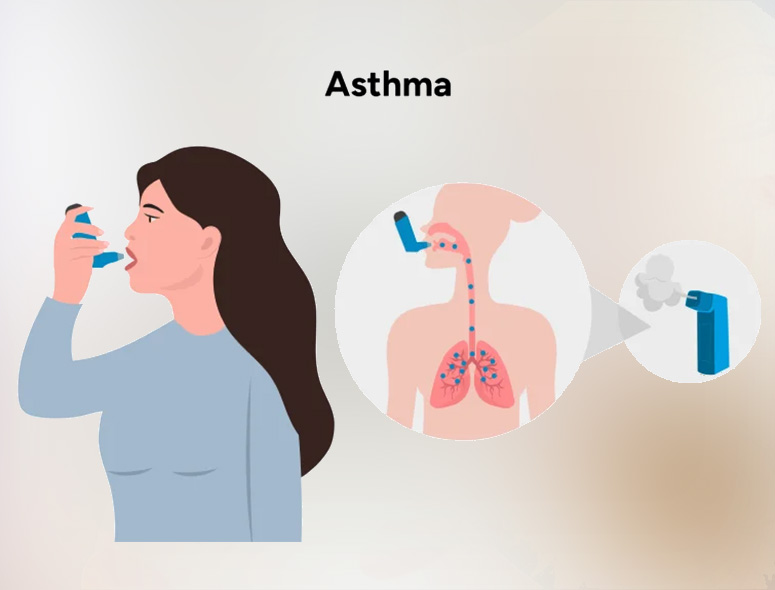
Worsening asthma symptoms/ chronic sinusitis
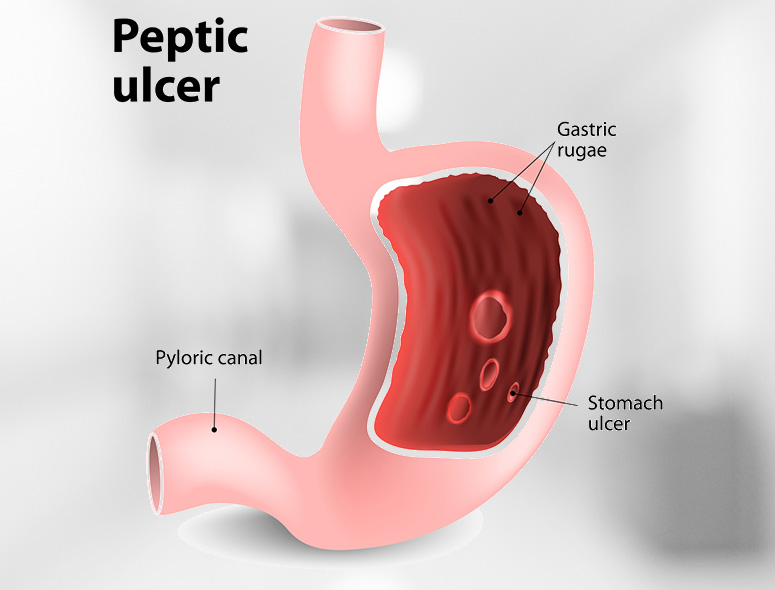
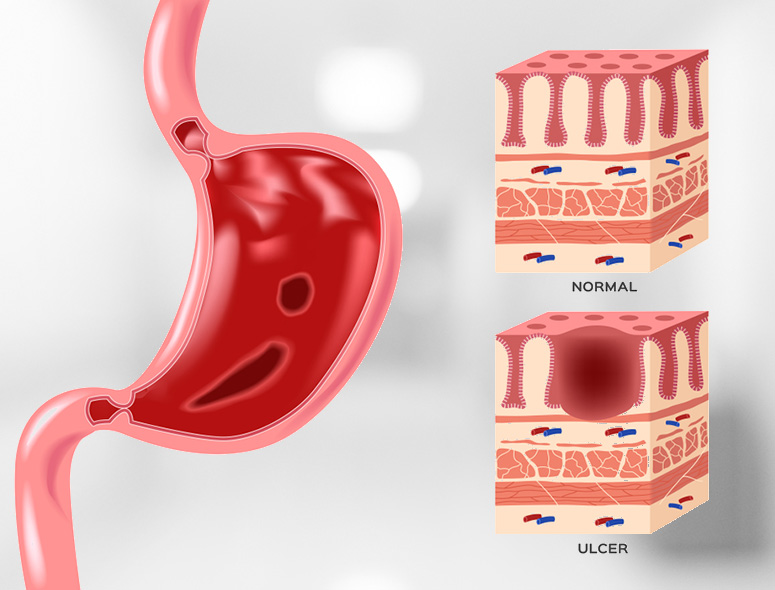
Painful peptic ulcers/ Upper GI bleeding
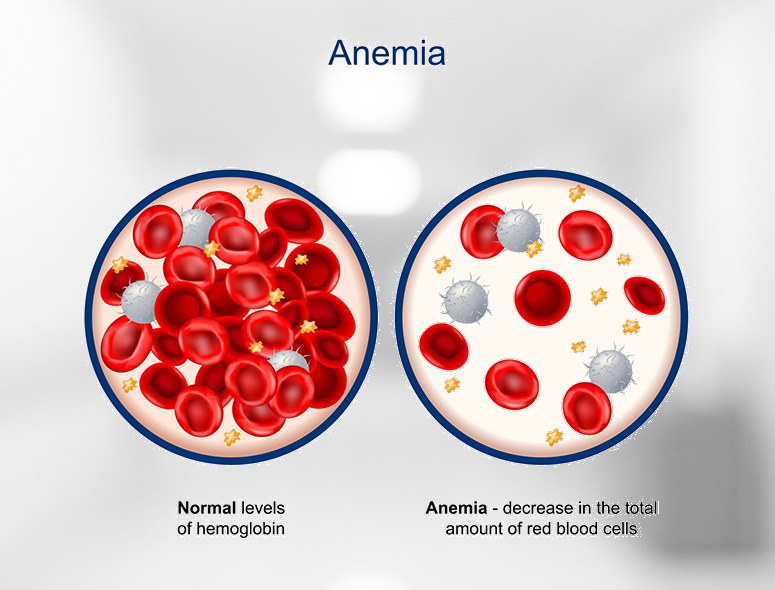
Iron deficiency anaemia

Why Choose Us?

The Grover Edge

01

World-Class Medical Protocols

Dr. Rajiv Grover adopts international standards of care modelled after leading medical institutes to ensure lasting relief.

02

Science-Backed Methodology

Each treatment plan is evidence-based and rooted in the latest clinical research for improved patient outcomes.
03

Ethical, Compassionate Approach

Our approach incorporates two-way communication, empathy & transparency for improved patient experiences.

04

Advanced Techniques & Treatments

We leverage the latest best practices, advanced techniques and high-end technology for greater accuracy & comfort.

Frequently Asked Questions

While all four of these terms are related, they describe different stages of the same process:

  • Acidity is a general term for the production of excess stomach acid.
  • Acid Reflux is the physical action of stomach acid flowing backward into the esophagus and mouth. Chronic acid reflux is an indicator of GERD.
  • Heartburn is the burning sensation in the chest and a symptom of acid reflux.

GERD is a chronic, more severe form of acid reflux that occurs at least twice a week. It is a disease that can lead to tissue damage.

The primary cause of GERD is a weakened or abnormally relaxed Lower Esophageal Sphincter (LES). LES is the muscular valve at the bottom of your esophagus (food pipe) that must shut close after the food/ drink has gone into the stomach, preventing stomach acids from flowing back. A number of factors that contribute to this weakness include:

  • Hiatal Hernia: When the upper part of the stomach bulges into the chest.
  • Obesity: Increased abdominal pressure forces acid upward.
  • Pregnancy: Hormonal changes and physical pressure on the stomach.

Lifestyle Triggers: Smoking, heavy alcohol consumption, and lying down immediately after large, fatty meals.

If you experience any of these symptoms for two or more days per weeks for several weeks or you regularly take non-prescription antacids, you could have GERD:

  • Frequent heartburn (burning feeling in the chest)
  • Regurgitation (food/ acid/ liquid coming back into the throat or mouth)
  • Bitter or sour taste in the mouth
  • Non-cardiac chest pain/ upper belly pain
  • Sore throat
  • Sensation of a lump in the throat
  • Trouble swallowing (Dysphagia)
  • Asthma symptoms (chronic coughing, wheezing, shortness of breath)

Yes, GERD is serious. Persistent heartburn, chronic acidity, and GERD, if not effectively managed, can cause irreversible damage.

    • Esophagitis: Inflammation of esophageal tissues, causing pain and ulcers
    • Esophageal strictures: Narrowing of the esophagus
    • Barrett’s Esophagus: The pre-cancerous stage that causes an increased risk of throat cancer
    • Worsening asthma symptoms/ chronic sinusitis
    • Painful peptic ulcers
    • Upper GI bleeding
    • Iron deficiency anaemia
    • Dental damage including erosion of teeth enamel


GERD is a manageable condition and can even be effectively reversed with precision-led diagnosis, proper clinical treatment, and lifestyle discipline.

While home remedies can provide temporary relief, they are inadequate for the long-term management of GERD. Clinical intervention including medications and fixing the LES are critical and so are lifestyle changes.  

Lifestyle changes are an essential foundation for managing GERD and typically include:  

  • Targeted weight loss
  • Active lifestyle
  • Physical exercise
  • Smoking cessation
  • Identifying and reducing trigger foods
  • Balanced, nutritious diet
  • Sleep hygiene

Dr. Rajiv Grover, one of the most trusted digestive disorder specialists in the Ludhiana region, specializes in the comprehensive, patient-centric management of chronic acidity, recurrent heartburn, and GERD. He leverages specialized diagnostic tests such as UGI endoscopy, High-Resolution Esophageal Manometry (HREM), 24-Hour pH Impedance Metry, and EUS-guided biopsies to confirm your GERD diagnosis and check for complications.  

He designs an individualized treatment plan that goes beyond providing temporary relief from symptoms. The focus is to ensure long-term GERD management, achieve significant symptom control, prevent complications such as cancers and ulcers, and enable a quality-of-life improvement. He uses a combination of:

  • Non-prescription and prescription medications for:
      • Neutralizing stomach acid
      • Blocking acids/ Reducing acid production
      • Esophageal healing
      • Relaxing muscles & preventing muscle spasms
  • Therapeutic and surgical interventions such as:
      • Transoral Incisionless Fundoplication (TIF) to tighten the Lower Esophageal Sphincter through endoscopy
      • Laparoscopic Fundoplication to fix hiatal hernia
      • LINX device implantation
      • Endoscopic procedures for upper GI bleed management
      • Weight-loss surgery (since obesity is a high-risk factor)
  • Lifestyle and dietary optimization



Difficulty in Swallowing (Dysphagia)

Difficulty in Swallowing (Dysphagia)

Consult Dr. Rajiv Grover, a leading digestive disorder specialist in Ludhiana, for precision-led function restoration and long-lasting relief from Dysphagia and complex swallowing disorders. 

What is Dysphagia/ Difficulty in Swallowing?

Dysphagia or difficulty in swallowing happens when the mechanical process of moving food and drinks from your mouth to the stomach is disrupted. This could occur because of neurological disorders (dementia, stroke), muscular dysfunction, structural abnormalities (GERD, Esophageal diverticulum or tumours) or physical blockages in the throat. Such disruptions make it difficult for you to swallow food, water, or even your own saliva, causing pain and discomfort. If left untreated, it leads to have severe consequences including an increased risk of pneumonia, life-threatening choking hazards, and rapid nutritional decline.

Symptoms of Dysphagia

Sharp or dull pain while swallowing

Complete inability to swallow

Coughing/ gagging/ choking upon swallowing

Feeling of food stuck in chest/ throat

Frequent heartburn or regurgitation

Hoarseness or changes in voice quality

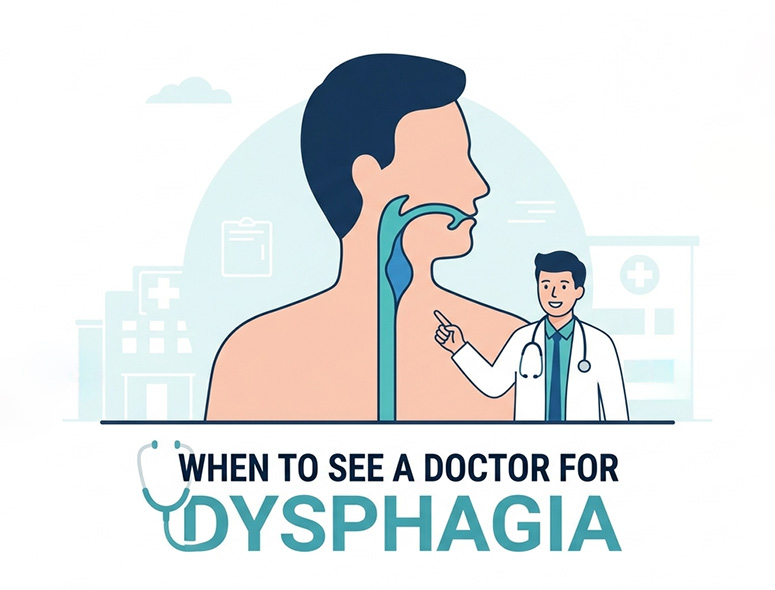
When to See a Doctor for Dysphagia?

It is critical that you see a doctor immediately, if you notice any of these red flags:

Treatment Approach

Dr. Rajiv Grover’s Treatment Approach for Dysphagia

Dr. Rajiv Grover, a distinguished gastroenterologist in Ludhiana, leverages a multidimensional, precision-led approach to Dysphagia treatment. He focuses on empowering the patient to restore swallowing function and experience lasting relief by accurately identifying the root cause of swallowing difficulties and treating structural and motility issues.

Initial Consultation

In the first, deep-dive consultation, the doctor gathers information about your medical history, condition, and symptoms through a two-way conversation, followed by a physical examination to identify immediate risks.

Advanced Diagnosis

The doctor uses one or more tests to move beyond surface-level symptoms and get to the core of your swallowing problem. He may initially order an X-Ray and/or CT or MRI scan to rule out structural issues and tumours. Leveraging his expertise in advanced endoscopic procedures, he may use specialized diagnostic tests such as the following to find the underlying cause:

Tailored Treatment

Depending upon the patient’s condition and need, Dr. Rajiv Grover leverages a comprehensive, tailored approach to treat Dysphagia. It may include a combination of:

Risks & Complications

What Happens If You Leave Dysphagia Untreated?

Rapid weight loss and malnutrition

Severe dehydration

Bacterial lung infections

Life-threatening choking risks

Why Choose Us?

The Grover Edge

01

World-Class Medical Protocols

Dr. Rajiv Grover adopts international standards of care modelled after leading medical institutes to ensure lasting relief.

02

Science-Backed Methodology

Each treatment plan is evidence-based and rooted in the latest clinical research for improved patient outcomes.

03

Ethical, Compassionate Approach

Our approach incorporates two-way communication, empathy & transparency for improved patient experiences.

04

Advanced Techniques & Treatments

We leverage the latest best practices, advanced techniques and high-end technology for greater accuracy & comfort.

Frequently Asked Questions

An important step in digestion is the movement of food and beverages from the mouth to the stomach. This mechanical process requires the muscles and nerves to work in tandem, pushing the food and beverages down the food pipe into the stomach. When this mechanical process is disrupted to some reason, you will experience difficulty in swallowing, medically called Dysphagia.

Dysphagia makes it painful and challenging to swallow food, water, and even one’s own saliva. In severe cases, movement may be absolutely blocked. When left un left untreated, it leads to have severe consequences including an increased risk of pneumonia, life-threatening choking hazards, and rapid nutritional decline.

Dr. Rajiv Grover, a highly experienced gastroenterologist in Ludhiana, precisely diagnoses and treats the condition and its root causes, helping restore swallowing function and ensuring lasting relief.

No. While Dysphagia can be a symptom of certain cancers, it is frequently caused by non-cancerous conditions listed below. Swallowing difficulties or dysphagia could occur because of one or more of the following reasons:

    • Neurological disorders:
      • Dementia
      • Stroke
      • Brain tumour
      • ALS
      • Multiple Sclerosis
      • Parkinson’s Disease
  • Muscular dysfunction:
      • Muscular dystrophy
      • Achalasia
      • Esophageal spasms
      • Scleroderma
  • Structural abnormalities
      • GERD
      • Esophageal diverticulum
      • Tumours
      • Esophageal webs
  • Physical blockages in the throat
      • Foreign objects
      • Food
  • Other Causes
    • Radiation therapy may destroy tissues in the throat
    • Bacterial infections such as strep throat
    • Neck or head surgery

Dr. Rajiv Grover uses advanced diagnostics like Upper GI Endoscopy to quickly rule out serious concerns and identify the exact cause.


  • Sharp or dull pain while swallowing (called Odynophagia)
  • Complete inability to swallow
  • Coughing/ gagging/ choking upon swallowing
  • Feeling of food stuck in chest/ throat
  • Frequent heartburn or regurgitation
  • Hoarseness or changes in voice quality

One-off incidents of difficulty in swallowing may not be serious. However, if you frequently experience dysphagia symptoms, you must see a doctor. Why? Because if left untreated, dysphagia can lead to rapid weight loss and nutritional deficiencies, severe dehydration, drooling, and life-threatening choking hazards. Chronic dysphagia can also cause aspiration pneumonia as food may enter the windpipe and cause bacterial infections in the lung.

If you experience the following red flags, you must visit your gastroenterologist immediately and get yourself checked:

  • Unexplained, rapid weight loss
  • Inability to swallow saliva or constant drooling
  • Recurrent chest infections or pneumonia
  • Frequent coughing, gagging or choking episodes
  • Frequent regurgitation or vomiting
  • Breathing difficulties or severe distress during meals

Dr. Rajiv Grover, a highly respected endoscopy specialist in the Ludhiana region, leverages one or more specialized tests to move beyond surface-level symptoms and get to the core of your swallowing problem. While an X-Ray and/or CT or MRI scan maybe initially be ordered to rule out structural issues and tumours, Dr. Grover leverages one or more of these advanced procedures:

  • Upper GI Endoscopy to check the lining of the food pipe for tumours, blockages, and inflammation
  • High-Resolution Esophageal Manometry (HREM) for mapping muscle coordination in the esophagus.
  • Fibre-optic Endoscopic Evaluation of Swallowing (FEES) for viewing the throat directly while you eat or drink.
  • Dynamic Swallowing Study to understand the real-time movement of food.
  1.     How is difficulty in swallowing treated? Is surgery necessary?

No, surgery is rarely the first option for treating Dysphagia. Surgical correction is used only in severe cases of anatomical defects or tumours that cannot be managed through advanced endoscopic procedures.

Dr. Rajiv Grover, a leading digestive disorder specialist in Ludhiana, prioritizes a tiered, tailored approach to treatment, focusing on restoring swallowing function and ensuring lasting relief with the least invasive methods possible:

    • Specialized Medications: Treating underlying causes like GERD (Acid Reflux) or neurological muscle spasms.
    • Specialized medications to treat symptoms and/or underlying causes (GERD) or muscle spasms.
    • Lifestyle and dietary modifications such as posture management, changing food textures, and so on.
  • Advanced therapeutic endoscopic procedures:
    • Esophageal Stricture Dilatation to gently stretch narrowed food pipe
    • Esophageal Self-Expandable Metallic Stents (SEMS) to keep the esophagus open in case of severe obstruction

Peroral endoscopic myotomy (POEM), a scarless procedure, to treat motility disorders like Achalasia


Rectal Bleeding

Rectal Bleeding

Consult Dr. Rajiv Grover, a highly accomplished gastroenterologist in Ludhiana, for the expert management of rectal bleeding and its underlying causes.

What is Rectal Bleeding?

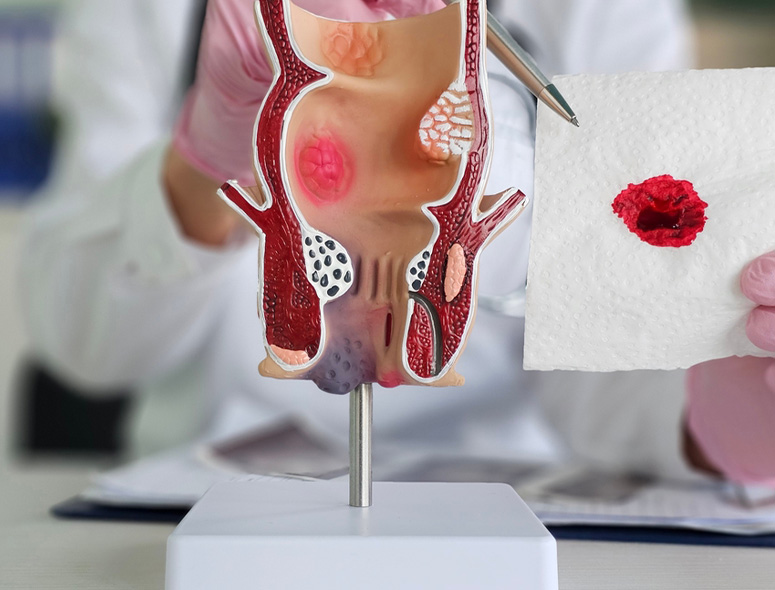
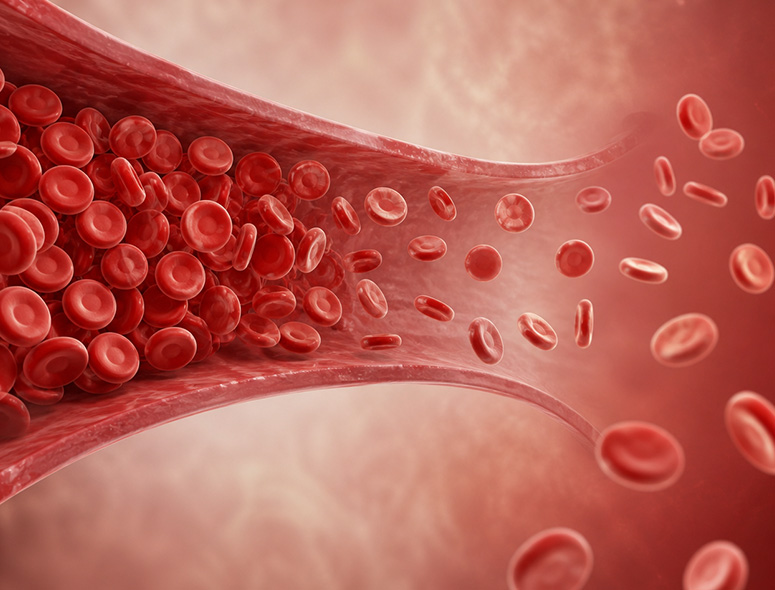
Rectal bleeding refers to the passage of blood from your anus, often appearing as bright red streak on toilet paper, bright red/ dark red blood mixed with stools, or black, tarry stools. Even though you may bleed through your anus, the actual source could be anywhere in your gastrointestinal tract (stomach, small intestine, colon, rectum, anus). Rectal bleeding, though not a disease by itself, is a symptom of different conditions such as Ulcerative Colitis (a type of Inflammatory Bowel Disease), haemorrhoids, anal fissures, and colorectal cancer. While not all bleeds are medical emergencies, it is critical to identify the source and cause of the bleed to prevent long-term complications.

Symptoms of Rectal Bleeding

While blood in stools/ toilet paper/ bowl is the primary sign, rectal bleeding may often present with additional symptoms.

Stools or diarrhoea with blood/ pus/ mucus

Abdominal cramping/ pain

Urgent, sudden need to defecate

Anal pain/ ache/ itchiness

Fever/ fatigue/ reduced appetite/ weight loss

Extraintestinal symptoms (eye or skin irritation/ joint pain/ mouth ulcers)

When to See a Doctor for Rectal Bleeding?

It is critical get immediate medical help, if you notice any of the following warning signs.

Treatment Approach

Dr. Rajiv Grover’s Treatment Approach for Rectal Bleeding

Dr. Rajiv Grover, a trusted digestive disorder specialist in Ludhiana, leverages advanced diagnostics, therapeutic interventions, and lifestyle modifications to not just manage rectal bleeds but treat underlying conditions like IBD, anal fissures & Haemorrhoids, and prevent long-term complications.

Initial Consultation

In the first, deep-dive consultation, the doctor gathers information about your medical history and symptoms through a two-way conversation, followed by a physical examination.

Advanced Diagnosis

The doctor leverages purposeful tests to identify the source of the leak and the underlying causes.

Tailored Treatment

The treatment for rectal bleeding depends upon the underlying cause, as well as, the source and severity of the bleed. Dr. Rajiv Grover, a leading authority in therapeutic colonoscopy in the Ludhiana region, may use a combination of the following in your individualized treatment plan:

Risks & Complications

What Happens If You Leave Rectal Bleeding Untreated?

Due to the loss of blood, the complications of untreated/ delayed treatment of rectal bleeding are severe.

Severe anaemia & decreased quality of life

Progressive IBD & bowel perforation

Severe haemorrhoids that may require surgery

Colorectal cancer turning untreatable

Why Choose Us?

The Grover Edge

01

World-Class Medical Protocols

Dr. Rajiv Grover adopts international standards of care modelled after leading medical institutes to ensure lasting relief.

02

Science-Backed Methodology

Each treatment plan is evidence-based and rooted in the latest clinical research for improved patient outcomes.

03

Ethical, Compassionate Approach

Our approach incorporates two-way communication, empathy & transparency for improved patient experiences.

04

Advanced Techniques & Treatments

We leverage the latest best practices, advanced techniques and high-end technology for greater accuracy & comfort.

Frequently Asked Questions

Rectal bleeding refers to the passage of blood from your anus, often appearing as bright red streak on toilet paper, bright red/ dark red blood mixed with stools, or black, tarry stools. Rectal bleeding, though not a disease by itself, is a symptom of different conditions such as Ulcerative Colitis (a type of Inflammatory Bowel Disease), haemorrhoids, anal fissures, and colorectal cancer.

While it is often caused by manageable conditions like haemorrhoids or fissures, all rectal bleeding should be evaluated by a specialist. It is considered serious if it is persistent, heavy, or accompanied by symptoms like weight loss, as it may indicate Ulcerative Colitis (IBD) or colorectal malignancy.

Rectal bleeding is a primary symptom of underlying conditions like:

  • Anal fissures
  • Constipation
  • Hard stools
  • Haemorrhoids
  • Colorectal cancer
  • Crohn’s Disease
  • Ulcerative Colitis
  • Diverticulitis

Yes, rectal bleeding is often curable. Based on the underlying condition, the doctor will decide on the best course of treatment. For rectal bleeding caused by conditions like anal fissures, constipation, or haemorrhoids are highly treatable with lifestyle changes, OTC medication, and minimally invasive endoscopic procedures.

It is critical get immediate medical help, if you notice any of the following warning signs.

  • Heavy bleeding/ continuous bleeding for 1-2 days
  • Black, tarry, or maroon stools
  • Dizziness/ light-headedness/ fainting spells
  • Severe abdominal pain or cramping

It is best to consult an expert like Dr. Rajiv Grover, leading GI specialist in Ludhiana, for the accurate evaluation and effective treatment.

The risk of developing rectal bleeding increases with:

  • Genetic factors
  • Family history of underlying causes like ulcerative colitis or colorectal cancers
  • Age
  • Dietary habits
  • Obesity
  • Chronic Stress

Dr. Rajiv Grover, a trusted digestive disorder specialist in Ludhiana, leverages advanced diagnostics, therapeutic interventions, and lifestyle modifications to not just manage rectal bleeds but treat underlying conditions like IBD & Haemorrhoids, and prevent long-term complications. The doctor leverages purposeful tests such as lab tests, imaging, colonoscopy, flexible Sigmoidoscopy, and anoscopy/ proctoscopy to identify the source of the leak and the underlying causes.

The treatment for rectal bleeding depends upon the underlying cause, as well as, the source and severity of the bleed. Dr. Rajiv Grover, a leading authority in therapeutic colonoscopy in the Ludhiana region, may use a combination of the following in your individualized treatment plan:

  • Medications for underlying causes
  • Therapeutic endoscopic interventions such as:
      • Endoscopic Band Ligation (EBL) for Haemorrhoids
      • Polypectomy for the removal of lower GI polyps
      • Argon Plasma Coagulation (APC) (non-contact laser therapy for chronic bleed management)
  • Surgery: If medications and therapeutic interventions fail, surgery may be necessary
  • Lifestyle and dietary modifications


Ulcerative Colitis

Ulcerative Colitis

Consult Dr. Rajiv Grover, a highly accomplished IBD Specialist in Ludhiana, for the expert management of Ulcerative Colitis, improving your quality of life.

What is Ulcerative Colitis (UC)?

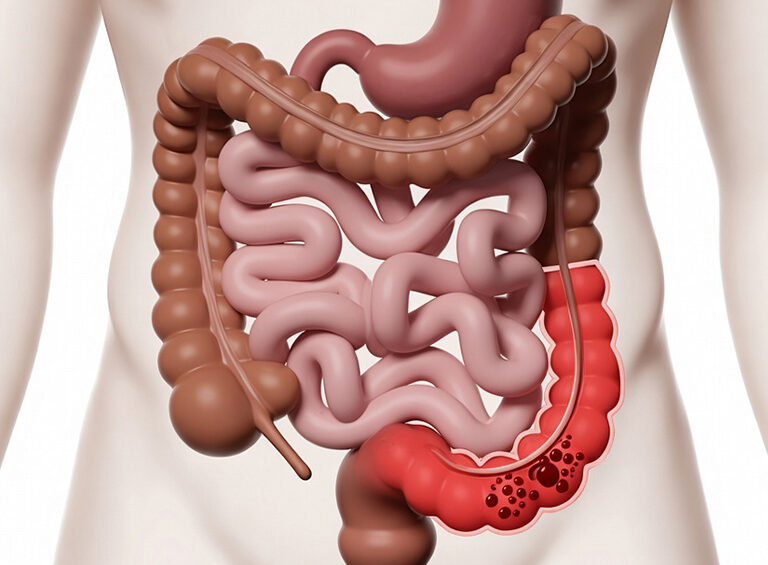
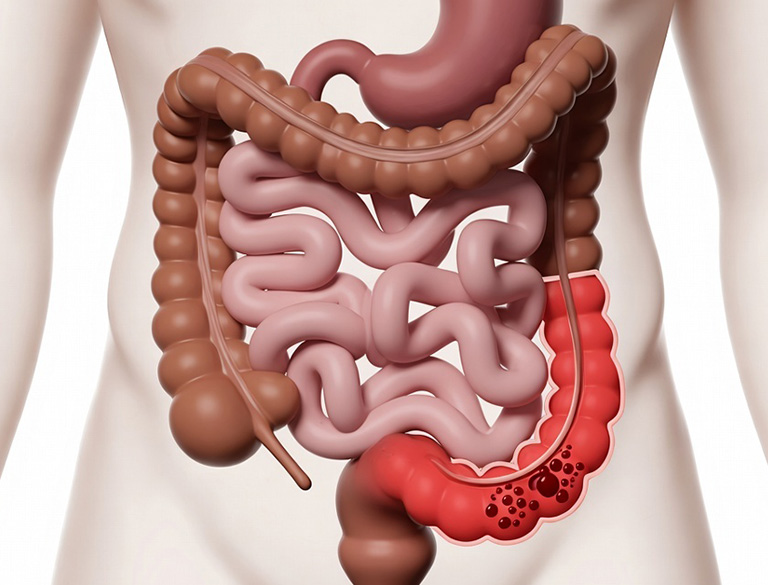
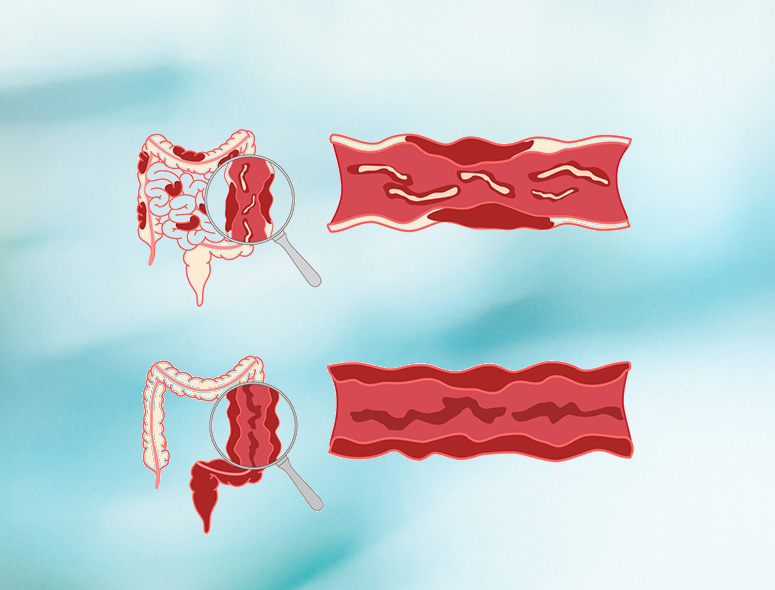
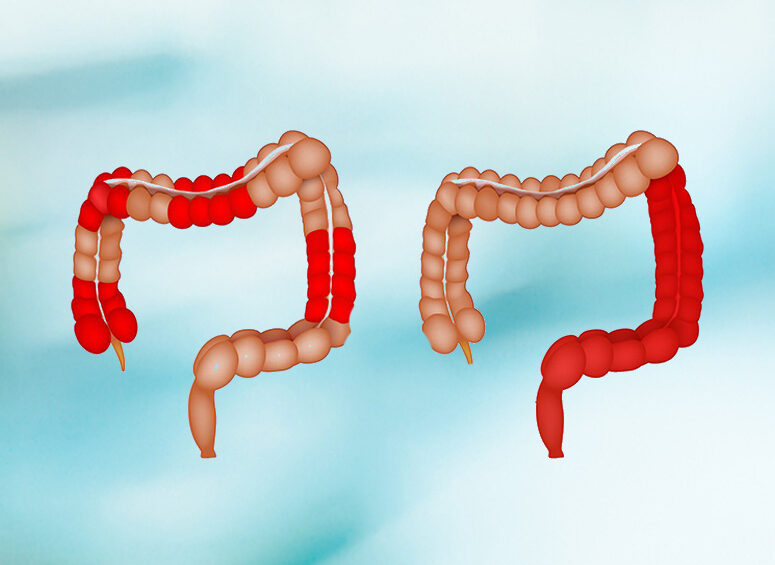
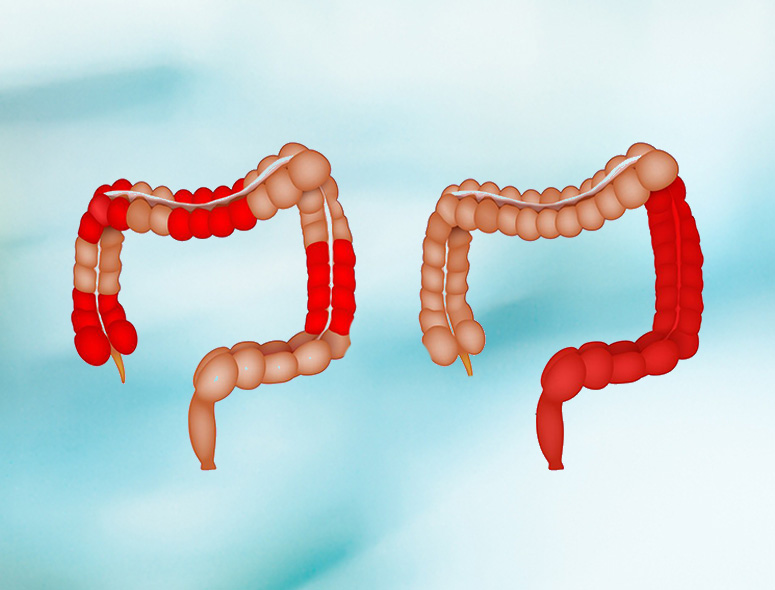
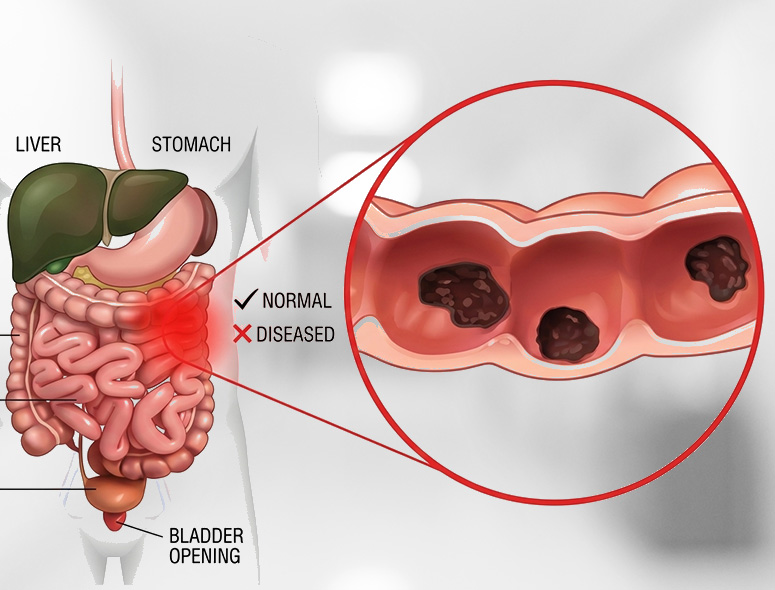
Ulcerative Colitis, a common type of Inflammatory Bowel Disease (IBD), is a chronic condition that causes long-lasting inflammation and ulcers (sores) in the innermost lining of colon (large intestine) and rectum. Unlike most other digestive disorders, UC is an immune-mediated disease that follows a cyclical pattern of: 

  • Flare-ups: Periods when you experience symptoms actively. 
  • Remission: Periods when your UC symptoms disappear or significantly subside.

Depending upon your symptoms, UC is categorized as mild, moderate, or severe. While there is no single cure for Ulcerative Colitis, personalized, lifestyle-integrated treatments help in reducing symptoms, promote healing of the colon’s lining, and enable long-term remission.

Symptoms of Ulcerative Colitis

The symptoms of Ulcerative Colitis (UC) develop gradually overtime, rather than appearing suddenly. can range from mild to severe depending on how much of the colon is affected.

Diarrhoea (with or without blood)

Sudden, intense urge to defecate

Not able to pass stools despite urgency

Increased bowel movements

4 or more diarrhoea episodes daily

Abdominal cramping or tenderness/ rectal pain

When to See a Doctor for Ulcerative Colitis?

It is critical get immediate medical help, if you notice any of the following warning signs.

Treatment Approach

Dr. Rajiv Grover’s Treatment Approach for Ulcerative Colitis

Dr. Rajiv Grover, a distinguished gastroenterologist in Ludhiana, leverages a targeted approach to empower you to achieve symptom control and long-term remission, allowing your colon lining to heal and preventing the development of life-threatening complications.

Initial Consultation

In the first, deep-dive consultation, the doctor gathers information about your personal and family medical history, lifestyle, and symptoms through a two-way conversation, followed by a physical examination.

Advanced Diagnosis

The doctor leverages purposeful tests to rule out other conditions similar to UC and confirm the diagnosis.

Tailored Treatment

The treatment for Ulcerative Colitis depends upon the severity and location of the disease. The treatment goal is to put you on a path to long-term remission if you are experiencing flare-ups and maintain the remission if you are in the remission period. Dr. Rajiv Grover, a leading authority in IBD treatments in the Ludhiana region, may use a combination of the following in your individualized treatment plan:

Risks & Complications

What Happens If You Leave Ulcerative Colitis Untreated?

While Ulcerative Colitis is rarely fatal, you may develop life-threatening complications by leaving it untreated for long.

Severe bleeding & anaemia

Severe dehydration & nutritional deficiencies

Colon perforation & abdominal infections

Increased risk of colon cancer & blood clots

Osteoporosis & joint inflammation

Note: Even children may develop Ulcerative Colitis. If it is not properly treated, UC may cause delayed growth and development in children

Why Choose Us?

The Grover Edge

01

World-Class Medical Protocols

Dr. Rajiv Grover adopts international standards of care modelled after leading medical institutes to ensure lasting relief.

02

Science-Backed Methodology

Each treatment plan is evidence-based and rooted in the latest clinical research for improved patient outcomes.

03

Ethical, Compassionate Approach

Our approach incorporates two-way communication, empathy & transparency for improved patient experiences.

04

Advanced Techniques & Treatments

We leverage the latest best practices, advanced techniques and high-end technology for greater accuracy & comfort.

Frequently Asked Questions

Ulcerative Colitis, a common type of Inflammatory Bowel Disease (IBD), is a chronic condition that causes long-lasting inflammation and ulcers (sores) in the innermost lining of colon (large intestine) and rectum. Unlike most other digestive disorders, UC is an immune-mediated disease that follows a cyclical pattern of: 

  • Flare-ups: Periods when you experience symptoms actively. 
  • Remission: Periods when your UC symptoms disappear or significantly subside.

Depending upon your symptoms, UC is categorized as mild, moderate, or severe. While UC is rarely fatal, leaving it untreated causes more than just discomfort – it has life-threatening consequences.

No. While they share symptoms like diarrhoea and cramping, IBS is a functional disorder with no visible damage. UC is an inflammatory disease that causes physical ulcers, bleeding, and permanent damage to the colon lining.

No. While specific diets (like Low-FODMAP or anti-inflammatory diets) can help manage symptoms of Ulcerative Colitis, they cannot stop the underlying immune system attack. Medication is necessary to prevent the disease from progressing.

Yes, modern medical advancements make it possible to live a normal life with Ulcerative Colitis. Dr. Rajiv Grover, leading IBD specialist in Ludhiana, focuses on using medications that allow the gut lining to heal so thoroughly that symptoms disappear. Through nutritional guidance and strict lifestyle moderations, he enables patients to manage the condition effectively. Most patients under expert care lead active, full lives with minimal disruption to their daily routines.

The risk of developing rectal bleeding due to Ulcerative Colitis increases with:

  • Age
  • Race & ethnicity
  • Genetics 
  • Gut microbiome 
  • Dietary habits
  • Chronic Stress

Dr. Rajiv Grover, a distinguished digestive disease specialist in Ludhiana, leverages a targeted approach to empower you to achieve symptom control and long-term remission, allowing your colon lining to heal and preventing the development of life-threatening complications. 

The doctor leverages purposeful tests including blood and stool tests, imaging, colonoscopy, and sigmoidoscopy to rule out other conditions similar to UC and confirm the diagnosis. He may use a combination of the following in your individualized treatment plan: 

  • Medications for: 
    • Infections 
    • Inflammation 
    • Tissue healing 
    • Immune system suppression 
    • Pain relief 
    • Diarrhoea management 
    • Anaemia 
  • Surgery: If medications fail, surgery may be necessary. 
  • Lifestyle changes 
  • Dietary modifications

Crohn’s Disease

Crohn’s Disease

Consult Dr. Rajiv Grover, a highly respected IBD Specialist in Ludhiana, to effectively manage Crohn’s Disease and achieve long-term remission.

What is Crohn’s Disease?

Crohn’s Disease is a chronic Inflammatory Bowel Disease (IBD) that causes long-lasting inflammation deep into the layers of the digestive tract. While this inflammation may affect different areas of the GI tract in different people – from the mouth to the anus, it most commonly affects the terminal ileum (end of the small intestine).

Unlike most other digestive disorders, Crohn’s disease is an immune-mediated disease where your immune system overreacts and mistakenly attacks the digestive tract. Though it is a lifelong condition, it follows a cyclical pattern of:

  • Flare-ups: Periods when you experience symptoms actively.
  • Remission: Periods when your symptoms disappear or significantly subside.

While there is no single cure for Crohn’s disease, personalized, lifestyle-integrated treatments help in reducing symptoms, enable long-term remission, and prevent life-threatening complications.

Symptoms of Crohn’s Disease

The symptoms of Crohn’s may develop gradually overtime or appear suddenly without warning.

Ongoing diarrhoea

Blood in stools

Abdominal cramps or pain

Weight or appetite loss

Mouth sores

Fever/ fatigue

Eye irritation/ skin rashes

Joint pain

When to See a Doctor for Crohn’s Disease?

It is critical get immediate medical help, if you notice any of the following warning signs.

Treatment Approach

Dr. Rajiv Grover’s Treatment Approach for Crohn’s Disease

Dr. Rajiv Grover, a distinguished gastroenterologist in Ludhiana, leverages a targeted approach to empower you to achieve symptom control and long-term remission while preventing the development of serious complications.

Initial Consultation

In the first, deep-dive consultation, the doctor gathers information about your personal and family medical history, lifestyle, and symptoms through a two-way conversation, followed by a physical examination.

Advanced Diagnosis

The doctor leverages purposeful tests to rule out other conditions similar to Crohn’s and confirm the diagnosis.

Tailored Treatment

The treatment goal for Crohn’s disease is to reduce symptoms and put you on a path to long-term remission. Dr. Rajiv Grover, a leading authority in IBD treatments in the Ludhiana region, may use a combination of the following in your individualized treatment plan:

Risks & Complications

What Happens If You Leave Crohn’s Disease Untreated?

Untreated Crohn’s disease can cause serious, life-threatening complications that may require surgery or extra treatment.

Severe anaemia & malnutrition

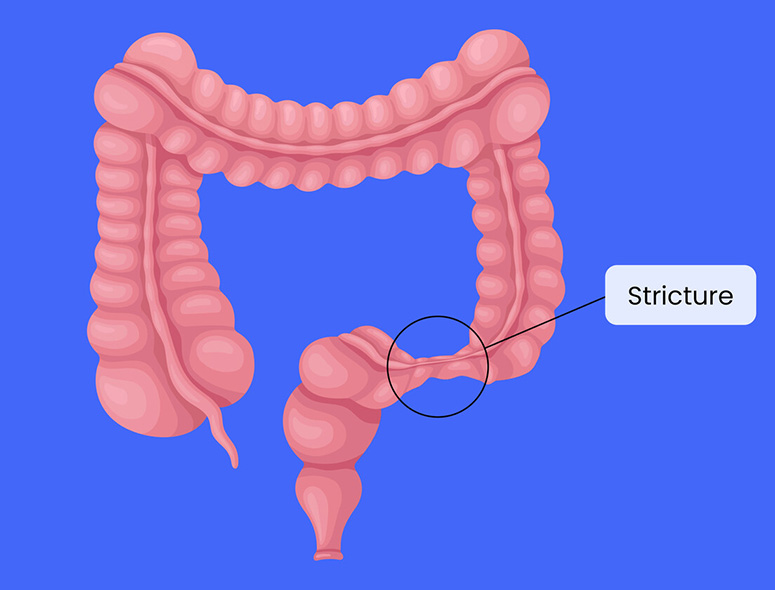
Strictures & blockages

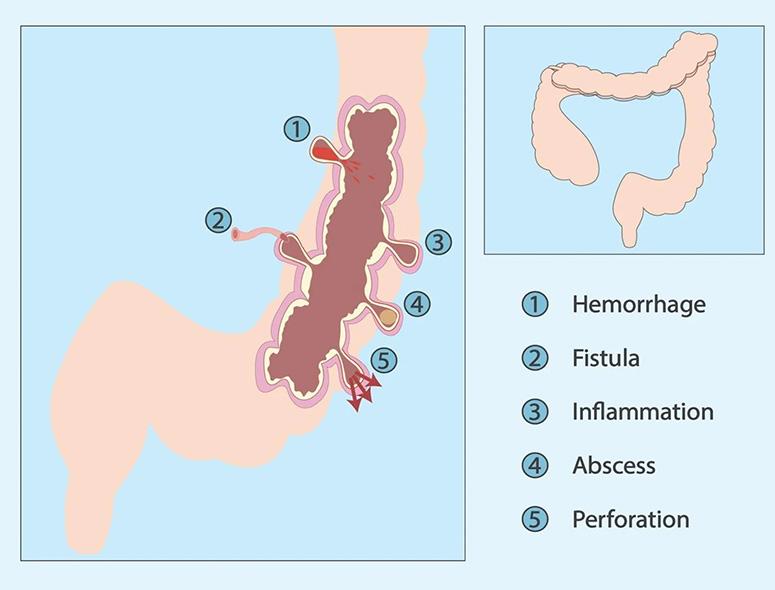
Anal fissures, fistula & abscesses

Colorectal cancer

Skin disorders including skin cancer

Osteoporosis & arthritis

Note: Even children may develop Crohn’s disease. If it is not properly treated, it may permanently delay growth and physical development in children.

Why Choose Us?

The Grover Edge

01

World-Class Medical Protocols

Dr. Rajiv Grover adopts international standards of care modelled after leading medical institutes to ensure lasting relief.

02

Science-Backed Methodology

Each treatment plan is evidence-based and rooted in the latest clinical research for improved patient outcomes.

03

Ethical, Compassionate Approach

Our approach incorporates two-way communication, empathy & transparency for improved patient experiences.

04

Advanced Techniques & Treatments

We leverage the latest best practices, advanced techniques and high-end technology for greater accuracy & comfort.

Frequently Asked Questions

Crohn’s Disease is a chronic Inflammatory Bowel Disease (IBD) that causes long-lasting inflammation deep into the layers of the digestive tract. While this inflammation may affect different areas of the GI tract in different people – from the mouth to the anus, it most commonly affects the terminal ileum (end of the small intestine).  Unlike most other digestive disorders, Crohn’s disease is an immune-mediated disease where your immune system overreacts and mistakenly attacks the digestive tract. Though it is a lifelong condition, it follows a cyclical pattern of flareups and remission.

Untreated Crohn’s disease can cause serious, life-threatening complications that may require surgery or extra treatment.

  • Severe anaemia & malnutrition 
  • Strictures & blockages 
  • Anal fissures, fistula & abscesses 
  • Colorectal cancer 
  • Skin disorders including skin cancer 
  • Osteoporosis & arthritis 

Even children may develop Crohn’s disease. If it is not properly treated, it may permanently delay growth and physical development in children.

While both are IBDs, Crohn’s can affect the entire digestive tract and penetrates all layers of the bowel wall. Ulcerative Colitis is limited only to the colon and only affects the innermost lining.

Yes. Most women with Crohn’s disease can have healthy pregnancies. Dr. Rajiv Grover, a leading gastroenterologist in Ludhiana, works closely with obstetricians (like Dr. Vaishali Grover) to ensure the disease is in remission before and during pregnancy.

 The risk of developing rectal bleeding due to Ulcerative Colitis increases with:

  • Age
  • Race & ethnicity
  • Genetics 
  • Smoking 
  • Certain medications

No. While stress and certain foods can trigger a flare-up of symptoms, they do not cause the disease itself. Crohn’s disease is a complex interaction of genetics and the immune system.

Dr. Rajiv Grover, a distinguished digestive disease specialist in Ludhiana, leverages a targeted approach to empower treat this type of IBD while preventing the development of severe complications. His treatment goal for Crohn’s disease is to reduce symptoms and put you on a path to long-term remission. He may use a combination of the following in your individualized treatment plan:

  • Medications:
      • Antibiotics
      • Anti-inflammatory
      • Immunomodulators
      • Biologics
      • Pain relievers
      • Anti-diarrhoeal
  • Nutrition therapy to prevent malnutrition:
      • Dietary shifts
      • Specialized meal plans
      • Nutritional supplements
      • Feeding tubes in severe cases
  • Surgery: If medications fail, surgery may be necessary.
  • Lifestyle management


Haemorrhoids

Haemorrhoids

Consult Dr. Rajiv Grover, a renowned gastroenterologist in Ludhiana, for the multidimensional treatment of Haemorrhoids. Regain your comfort and quality of life through advanced interventions.

What is Haemorrhoids?

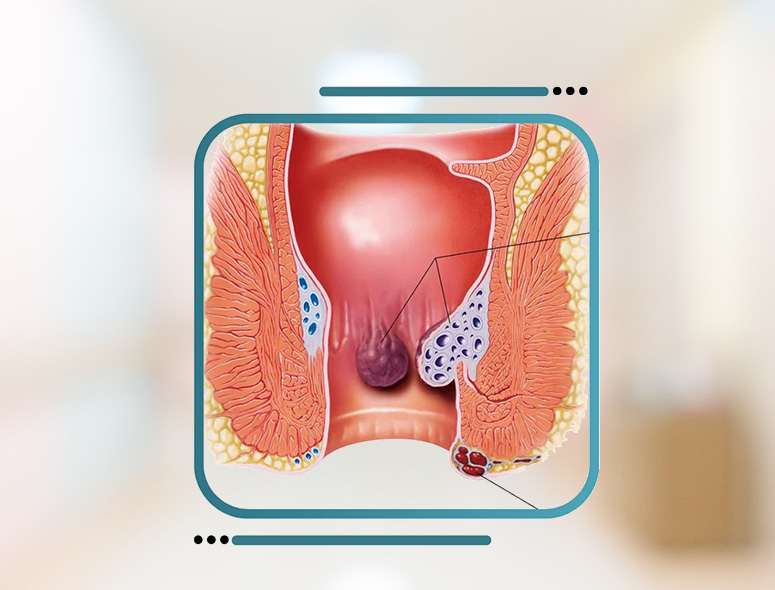
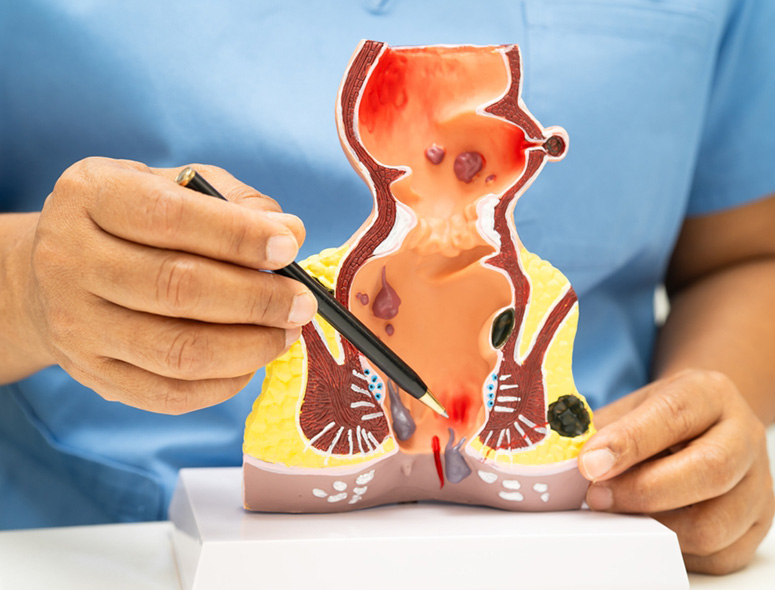
Haemorrhoids, commonly known as piles, occurs when the veins in your anus or lower rectum become swollen and enlarged. These swollen, enlarged veins cause anal itching, pain, discomfort, and bleeding. Haemorrhoids can happen both inside and outside the rectum, and are categorized based on the location of the swollen veins: 

  • Internal Haemorrhoids: Located deep inside the rectum. They are usually painless but are the most common cause of bright red blood in stools. 
  • External Haemorrhoids: Located under the skin around the anus. Often visible, these are itchy & painful. 
  • Prolapsed Haemorrhoids where internal haemorrhoids stretch and bulge outside the anus, causing bleeding and pain. 
  • Thrombosed Haemorrhoids where a blood clot forms in an external haemorrhoid, appearing as painful purple/ blue lump outside the anus. 

While haemorrhoids are generally not life-threatening, they are painful and uncomfortable. With targeted treatments combining dietary and lifestyle improvements, you can experience lasting comfort and improved quality of life.

Symptoms of Haemorrhoids

Symptoms vary based on the type, but generally include:

Itching or irritation around anal area

Pain or discomfort in anus while sitting

Inflammation/ swelling around anus

Small amounts of blood in stools/ toilet paper/ bowl

Note: Hard, discoloured lump near anus is a symptom of thrombosed haemorrhoids.

When to See a Doctor for Haemorrhoids?

It is critical get immediate medical help, if you notice any of the following warning signs.

Critical Note: You shouldn’t brush off rectal bleeding as simply piles. Rectal bleeding/ blood in stools can happen with other disease including colorectal and anal cancers and it is critical to seek medical attention.

Treatment Approach

Dr. Rajiv Grover’s Treatment Approach for Haemorrhoids

Dr. Rajiv Grover, an experienced piles treatment specialist in Ludhiana, leverages an empathetic, personalized approach to effectively manage symptoms and improve your quality of life significantly.

Initial Consultation

In the first, deep-dive consultation, the doctor gathers information about your medical history and symptoms through a two-way conversation. This is followed by a physical examination to look for visible signs of haemorrhoids.

Advanced Diagnosis

The doctor leverages one or more of the following tests based on the need to confirm the diagnosis and rule out other causes of rectal bleeding.

Tailored Treatment

Dr. Rajiv Grover, a leading gastroenterologist in the Ludhiana region, may use a combination of the following in your individualized, multidimensional treatment plan:

Risks & Complications

What Happens If You Leave Haemorrhoids Untreated?

Complications, though rare, may develop if piles is left untreated.

Anaemia

Infections

Blood clots

Strangulated haemorrhoids causing severe pain

Why Choose Us?

The Grover Edge

01

World-Class Medical Protocols

Dr. Rajiv Grover adopts international standards of care modelled after leading medical institutes to ensure lasting relief.

02

Science-Backed Methodology

Each treatment plan is evidence-based and rooted in the latest clinical research for improved patient outcomes.

03

Ethical, Compassionate Approach

Our approach incorporates two-way communication, empathy & transparency for improved patient experiences.

04

Advanced Techniques & Treatments

We leverage the latest best practices, advanced techniques and high-end technology for greater accuracy & comfort.

Frequently Asked Questions

Haemorrhoids, commonly known as piles, occurs when the veins in your anus or lower rectum become swollen and enlarged. These swollen, enlarged veins cause anal itching, pain, discomfort, and bleeding. Haemorrhoids can happen both inside and outside the rectum, and are categorized based on the location of the swollen veins: 

  • Internal Haemorrhoids: Located deep inside the rectum. They are usually painless but are the most common cause of bright red blood in stools. 
  • External Haemorrhoids: Located under the skin around the anus. Often visible, these are itchy & painful. 
  • Prolapsed Haemorrhoids where internal haemorrhoids stretch and bulge outside the anus, causing bleeding and pain. 
  • Thrombosed Haemorrhoids where a blood clot forms in an external haemorrhoid, appearing as painful purple/ blue lump outside the anus. 

While haemorrhoids are generally not life-threatening, they are painful and uncomfortable. In rare cases, chronic untreated piles do cause complications including anaemia, extremely painful strangulated haemorrhoids, infections, and blood clots.

The veins in the lower rectum and anus become enlarged and swollen when there is increased pressure on them. Common factors that increase the pressure on these veins and cause haemorrhoids are: 

  • Chronic Straining: Applying excessive pressure during bowel movements, often due to constipation or diarrhoea.
  • Low-Fiber Diet: A diet lacking in fruits, vegetables, and whole grains leads to hard stools that are difficult to pass.
  • Prolonged Sitting on Toilet: Spending long periods on the toilet can increase the pressure on anal veins.
  • Chronic Constipation or Diarrhoea: Frequent irregularities in bowel habits put consistent stress on the rectal walls.
  • Pregnancy: The growing uterus puts pressure on the pelvic veins, and hormonal changes can relax vein walls.
  • Aging: As you get older, the tissues that support the veins in your rectum and anus can weaken and stretch.
  • Heavy Lifting: Regularly lifting heavy objects can increase intra-abdominal pressure.
  • Obesity: Carrying excess body weight, particularly around the abdomen, increases pressure on the pelvic veins.

While ulcerative colitis and haemorrhoids are two different conditions, they often appear together due to shared mechanical strain. Ulcerative Colitis (UC) causes frequent, urgent bowel movements and chronic diarrhoea. This repeated straining and increased frequency put excessive pressure on the veins in the rectum, which directly leads to the development or flare-up of Haemorrhoids.

Even haemorrhoid treatment specialists like Dr. Rajiv Grover will suggest home remedies and lifestyle management as the first step to managing piles. For smaller haemorrhoids, eating more fibre, hydration and changes to toilet habits are effective. However, if a week’s home remedies do not provide relief, you must consult a doctor right away. 

Over-the-counter creams can help relieve itching and minor pain, but they do not cure the underlying swollen veins. Note that piles aren’t the only cause of rectal bleeding; rectal bleeding can be caused by colorectal or anal cancers and IBD. For a long-term fix, especially if there is bleeding, a specialist evaluation is necessary.

A vast majority of piles patients do not need surgery. With modern techniques like Endoscopic Band Ligation, Sclerotherapy, and dietary changes, most cases can be resolved without a single surgical incision. Consult Dr. Rajiv Grover, a leading endoscopy specialist in Ludhiana, for expert evaluation and management of haemorrhoids.

Dr. Rajiv Grover, an experienced piles treatment specialist in Ludhiana, leverages an empathetic, personalized approach to effectively manage symptoms and improve your quality of life significantly. He uses a combination of the following in your individualized, multidimensional treatment plan: 

  • Home Remedies & Lifestyle Management:  
      • High-fibre diets 
      • Adequate hydration 
      • OTC topical creams 
      • Change in bowel habits 
      • Soaking in warm water 
      • Softening stools with laxatives 
  • Haemorrhoid Creams 
  • Minimally Invasive therapeutic endoscopic interventions such as: 
    • Endoscopic Band Ligation (EBL) (to cut off blood flow to piles) 
    • Sclerotherapy (to shrink haemorrhoid) 
    • Argon Plasma Coagulation (APC) (non-contact laser therapy for chronic bleed management)
  • External Haemorrhoid Thrombectomy
  • Surgery: If therapeutic interventions fail, surgery may be necessary.


Chronic Constipation

Chronic Constipation

Consult Dr. Rajiv Grover, a highly respected digestive disorder specialist in Ludhiana, for the effective management of chronic constipation and its root causes.

What is Chronic Constipation?

Constipation is a condition wherein you have difficulty passing stools and/or your bowel movements have become less frequent. Having fewer than 3 bowel movements in a week is defined as constipation. Constipation is fairly common and is often caused by lack of dietary fibres, fluids, and exercise, as well as, medications for other conditions. It turns chronic if you regularly experience constipation for weeks or months and is most likely a symptom of some other disease/ condition. Chronic constipation cannot be treated using simple dietary and lifestyle modifications; they require precision-led diagnosis and expert interventions to prevent complications.

Symptoms of Chronic Constipation

Fewer than 3 bowel movements in a week

Hard, dry, or lumpy stools

Pain/ straining while passing stools

Feeling of bowels not fully emptied

Stomach ache/ cramps

Bloating/ nausea

When to See a Doctor for Chronic Constipation?

If you notice any of the following warning signs, you should consult your gastroenterologist:

Note: If you have a family history of colon cancer or other gastrointestinal disorders, you should consult a doctor for an early screening of chronic constipation.

Treatment Approach

Dr. Rajiv Grover’s Treatment Approach for Chronic Constipation

Dr. Rajiv Grover, an accomplished gastroenterologist and endoscopy specialist in the Ludhiana region, focuses on the multidimensional management of chronic constipation using personalized, targeted therapies, root cause remediation, dietary modification, and lifestyle optimization.

Initial Consultation

In the first, deep-dive consultation, the doctor gathers information about your medical history, lifestyle, dietary habits, and symptoms through a two-way conversation, followed by a physical examination. In the physical examination, the doctor checks for pain, tenderness or lumps in your abdomen, looks at the anus, and inspects the rectum.

Advanced Diagnosis

The doctor leverages one or more of the following tests to understand the underlying causes and the nature of chronic constipation.

Tailored Treatment

The doctor individualizes the treatment plan based on the nature and severity of the condition, as well as, underlying cause. The treatment plan to restore bowel function may include:

Risks & Complications

What Happens If You Leave Chronic Constipation Untreated?

Chronic constipation, particularly the lack of soft, regular bowel movements, can cause some serious complications if left untreated.

Haemorrhoids & anal fissures

Faecal impaction (piling up of faecal matter in the anus and rectum)

Stress urinary incontinence

Diverticulitis (infections of small pouches in the colon wall)

Why Choose Us?

The Grover Edge

01

World-Class Medical Protocols

Dr. Rajiv Grover adopts international standards of care modelled after leading medical institutes to ensure lasting relief.

02

Science-Backed Methodology

Each treatment plan is evidence-based and rooted in the latest clinical research for improved patient outcomes.

03

Ethical, Compassionate Approach

Our approach incorporates two-way communication, empathy & transparency for improved patient experiences.

04

Advanced Techniques & Treatments

We leverage the latest best practices, advanced techniques and high-end technology for greater accuracy & comfort.

Frequently Asked Questions

Chronic constipation is caused by a number of factors including:

  • Lifestyle & dietary factors: Low fibre intake, dehydration, and lack of physical activity
  • Underlying medical conditions: Irritable Bowel Syndrome (IBS), Hypothyroidism, diabetes, neurological disorders
  • Medications: Pain medications, antacids, anti-depressants, blood pressure medications
  • Structural issues: Obstructions, slow transit, weak pelvic floor muscles, anal fissures, narrowing of the colon

While mild to moderate constipation can be managed at home with simple dietary changes and hydration, chronic constipation requires expert intervention. Resolution starts with the diagnosis of the type and severity of constipation and its underlying causes. Based on the diagnosis, the doctor will use a combination of medical treatments and targeted interventions to restore normal bowel function.

If you have chronic constipation, you should include:

  • High fibres in the form of whole grains, legumes, leafy greens, and fruits to add bulk and soften the stools.
  • Probiotics such as yogurt
  • Hydration as fibres work only if you drink enough water or they simply worsen the blockage.

If you have chronic constipation, you should avoid:

    • Low fibre diets particularly fast foods, fried foods, and processed foods.
    • Dairy products
    • Red meat and processed meat
    • Alcohol and caffeine


Yes. Chronic constipation is more than just an inconvenience; it can lead to serious physical damage like:

  • Haemorrhoids & anal fissures
  • Faecal impaction (piling up of faecal matter in the anus and rectum)
  • Stress urinary incontinence
  • Rectal prolapse
  • Diverticulitis (infections of small pouches in the colon wall)

Consult an experienced gastroenterologist like Dr. Rajiv Grover, if you notice any of these warning signs:

  • Symptoms lasting for more than 3 weeks
  • Rectal bleeding/ blood in stools
  • Change in colour or shape of stools
  • Unexplained weight loss
  • Severe abdominal pain/ cramping
  • Constant fatigue/ weakness

If you have a family history of colon cancer or other gastrointestinal disorders, you should consult a doctor for an early screening of chronic constipation.

Generally, no, not without proper medical supervision. Over-the-counter stimulant laxatives can lead to Cathartic Colon, where the bowel becomes overly dependent on the drug to move at all. Dr. Rajiv Grover focuses on using osmotic laxatives or prokinetic medications that are safer for long-term management and help restore the natural rhythm of your gut.

Dr. Rajiv Grover, an accomplished gastroenterologist and endoscopy specialist in the Ludhiana region, focuses on the multidimensional management of chronic constipation. He leverages personalized, targeted therapies, root cause remediation, dietary modification, and lifestyle optimization to help restore normal bowel functions. Using lab tests, imaging tests, colonoscopy, and colorectal transit studies, he identifies the underlying causes and the nature of chronic constipation.

Dr. Grover individualizes the treatment plan based on the nature and severity of the condition, as well as, underlying cause. The treatment plan to restore bowel function may include:

  • Dietary and lifestyle changes
      • High-fibre diets
      • Ample hydration
      • Scheduled, good bowel habits
      • Active lifestyle and exercise
  • Medicines
    • Prescription constipation medicines
    • Laxatives
    • Fibre supplements and probiotics
    • Stimulants & lubricants
    • Stool softeners
  • Enema and suppository treatments by the doctor
  • Surgical interventions in severe cases such as intestinal obstructions or strictures, rectal prolapse, and anal fissures.


Intestinal Tuberculosis

Intestinal Tuberculosis

Consult Dr. Rajiv Grover, a highly respected gastrointestinal disorder specialist in Ludhiana, for the specialized, science-backed management of Intestinal Tuberculosis (TB).

What is Intestinal Tuberculosis?

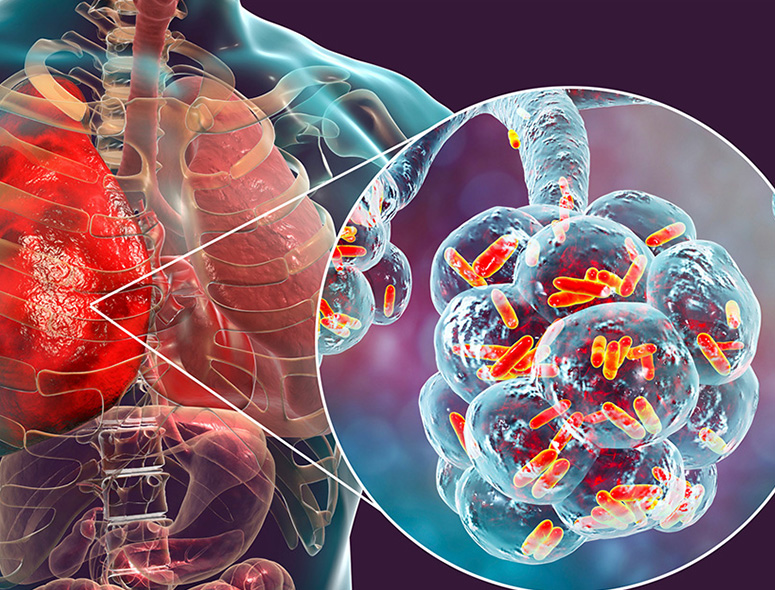
Tuberculosis is a bacterial infection caused by Mycobacterium tuberculosis which typically affects the lungs. Intestinal tuberculosis (TB) is an uncommon form of extrapulmonary TB wherein Mycobacterium tuberculosis affects the gastrointestinal (GI) tract. This chronic bacterial infectious disease spreads to the gut through the lymphatic system, bloodstream, swallowing infected respiratory secretions, or through the consumption of milk from affected cows.

While it can affect any part of the digestive tract, it commonly targets the ileocecal region (where the small and large intestines meet). Because it mimics the symptoms of other GI disorders, sharp clinical acumen is necessary to precisely diagnose the condition and prevent its long-term complications.

Symptoms of Intestinal Tuberculosis

Abdominal pain/ cramping/ bloating

Unexplained weight loss/ appetite loss

Fever/ fatigue/ weakness

Changes in bowel habits/ diarrhoea

Nausea & vomiting

Anaemia/ paleness

When to See a Doctor for Intestinal Tuberculosis?

If you notice any of the following warning signs, you should consult your gastroenterologist immediately: 

Note: If you have had lung TB in the past and are experiencing symptoms of intestinal TB, you should consult your doctor right away.

Treatment Approach

Dr. Rajiv Grover’s Treatment Approach for Intestinal Tuberculosis

Dr. Rajiv Grover, an accomplished gastroenterologist in Ludhiana, leverages his sharp clinical acumen to precisely diagnose intestinal tuberculosis, distinguishing it from other gastrointestinal disorders it tends to mimic. He offers specialized, science-backed management of Intestinal Tuberculosis, with a specialized focus on complete recovery & prevention of complications.

Initial Consultation

In the first, deep-dive consultation, the doctor gathers information about your medical history and symptoms through a two-way conversation, followed by a physical examination to look for visible signs of intestinal TB.

Advanced Diagnosis

The doctor leverages one or more of the following tests for the precision-led diagnosis of intestinal TB:

Tailored Treatment

Dr. Rajiv Grover follows a science-backed methodology, in line with the international protocols, for treating intestinal TB.

Risks & Complications

What Happens If You Leave Intestinal Tuberculosis Untreated?

Intestinal Tuberculosis when left untreated can cause irreversible damage.

Malnutrition/ malabsorption

Anaemia/ nutritional deficiencies

Bowel obstructions and strictures

Fistulas/ Perforations/ GI bleeding

Note: Clinical data suggests that in 6-20% of cases, there is a high risk of mortality if intestinal tuberculosis is left untreated or is improperly treated.

Why Choose Us?

The Grover Edge

01

World-Class Medical Protocols

Dr. Rajiv Grover adopts international standards of care modelled after leading medical institutes to ensure lasting relief.

02

Science-Backed Methodology

Each treatment plan is evidence-based and rooted in the latest clinical research for improved patient outcomes.

03

Ethical, Compassionate Approach

Our approach incorporates two-way communication, empathy & transparency for improved patient experiences.

04

Advanced Techniques & Treatments

We leverage the latest best practices, advanced techniques and high-end technology for greater accuracy & comfort.

Frequently Asked Questions

The following are the common symptoms of intestinal TB.  

  • Abdominal pain
  • Abdominal cramping
  • Bloating
  • Unexplained weight loss/ appetite loss
  • Fever
  • Fatigue/ weakness
  • Changes in bowel habits/ diarrhoea
  • Nausea & vomiting
  • Anaemia/ paleness

Note: The symptoms of Intestinal Tuberculosis mimics other gastrointestinal disorders like Crohn’s disease, esophageal ulcer/ tumour, colorectal cancer, and gastric ulcers.

Yes, intestinal tuberculosis is completely curable with timely, precision-led diagnosis and treatments following the international protocol. It is crucial that the patient completes the full of course of anti-tuberculous medication over the prescribed 6-9 months.

Intestinal tuberculosis (TB) is an uncommon form of extrapulmonary TB wherein Mycobacterium tuberculosis affects the gastrointestinal (GI) tract. The most common causes of this chronic bacterial infectious disease are:

  • Swallowing infected respiratory secretions: Patients with active lung TB inadvertently swallow the infected sputum, allowing the bacteria to enter their digestive tract. 
  • Blood or lymphatic spread: The bacteria can travel from a primary infection site (like the lungs or lymph nodes) through the bloodstream or the lymphatic system to the intestines.
  • Contaminated dairy: Consuming unpasteurized milk from infected cows.

Unlike pulmonary TB, intestinal tuberculosis is generally not contagious through casual contact or sharing of food. If the infection is only in the gut, it cannot spread to others. However, someone with active TB in their lungs can spread the bacteria to others through their respiratory droplets through coughing, sneezing, or singing.

Yes, intestinal tuberculosis when left untreated can cause irreversible damage and complications like:

  • Malnutrition/ malabsorption
  • Anaemia/ nutritional deficiencies
  • Bowel obstructions and strictures
  • Fistulas/ GI bleeding

Data suggests that in 6-20% of cases, there is a high risk of mortality if intestinal tuberculosis is left untreated or is improperly treated.

Dr. Rajiv Grover, an accomplished gastroenterologist in Ludhiana, leverages his sharp clinical acumen to precisely diagnose intestinal tuberculosis, distinguishing it from other gastrointestinal disorders it tends to mimic. He offers specialized, science-backed treatment plans in line with international medical protocols, with a specialized focus on complete recovery & prevention of complications.

  • Anti-Tuberculous Drugs (6-9-month course depending on the severity)
  • Endoscopic Balloon Dilation for intestinal strictures
  • Supportive care treatment to manage symptoms like pain & malnutrition
  • Surgery in severe cases or when the patient develops complications

Celiac Disease

Celiac Disease

Consult Dr. Rajiv Grover, one of the best digestive disease specialists in Ludhiana, for multidimensional, lifestyle-integrated management of Celiac Disease.

What is Celiac Disease?

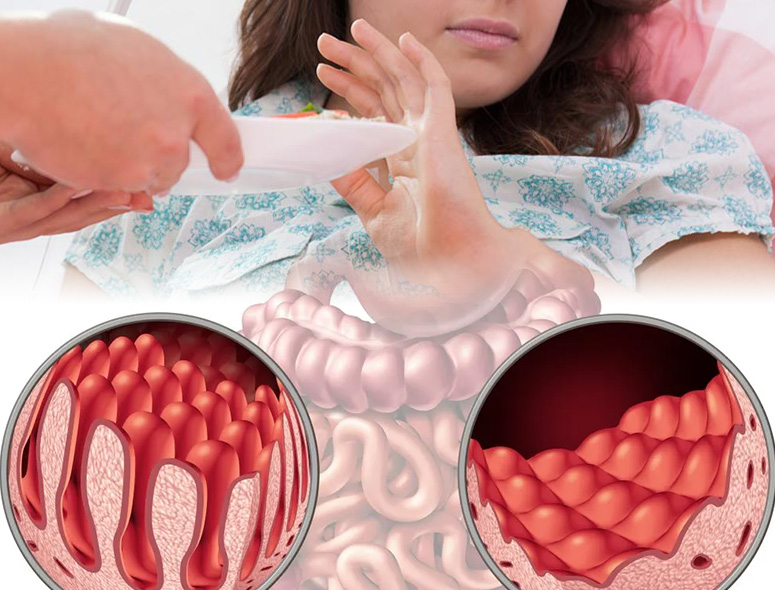
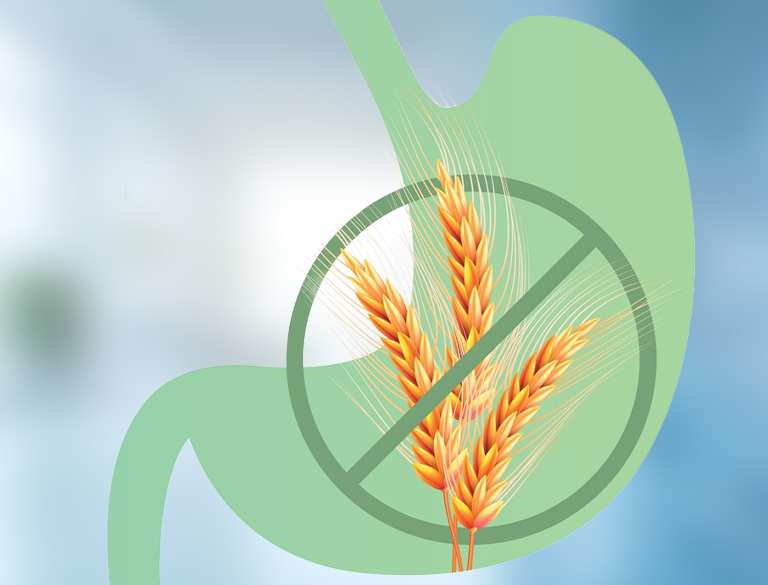
Celiac disease is an inherited, autoimmune condition where the immune system reacts to gluten and causes inflammation and damage to the small intestine. Gluten is a protein found in foods that contain wheat, rye, or barley. Unlike food allergies, eating gluten, when you have celiac disease, triggers an abnormal immune response wherein your immune system attacks the gluten in your digestive system and causes inflammation.

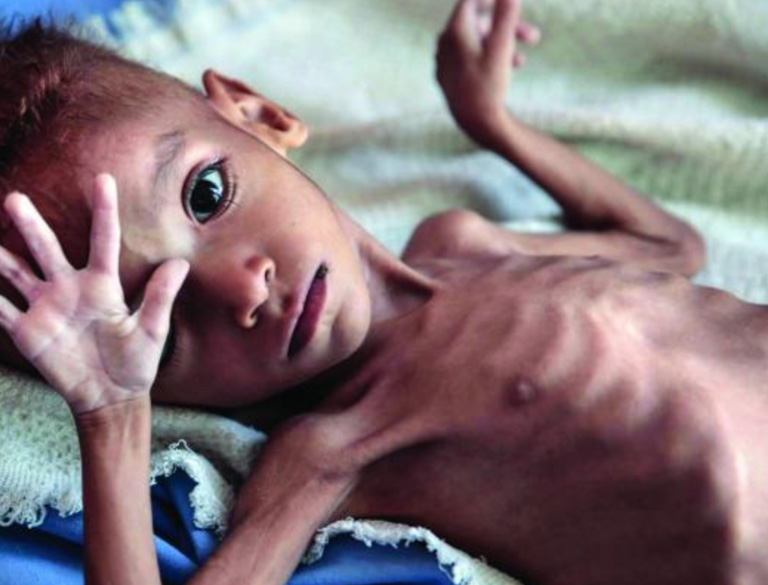
When you consume a lot of gluten, the constant inflammation damages your small intestine’s lining and prevents it from absorbing nutrients from your food. Untreated celiac disease leads to chronic malabsorption and malnutrition. In children, celiac disease affects their growth and development. While no cure exists for celiac disease, it is highly manageable through dietary optimization and individualized medical management.
Symptoms of Celiac Disease

Celiac disease symptoms vary widely and are different for adults and children. It is also possible that it remains asymptomatic until the real damage has been done and signs of nutritional deficiencies start to appear.

Symptoms in Adults

Diarrhoea/ constipation
Nausea/ vomiting

Weight loss

Bloating, gas, belly pain

Headaches, fatigue

Mouth ulcers

Symptoms in Children

Nausea/ vomiting

Chronic diarrhoea

Constipation
Swollen belly

Gas

Pale, foul-smelling stools

When to See a Doctor for Celiac Disease?

If you notice any of these warning signs, you must seek immediate medical help:

Note: If you have a family history of celiac disease, you should consult a gastroenterologist and get yourself evaluated.

Treatment Approach

Dr. Rajiv Grover’s Treatment Approach for Celiac Disease

Dr. Rajiv Grover, a highly respected celiac disease specialist in the Ludhiana region, leverages a specialized, multidimensional approach for the management of celiac disease, focused on long-lasting relief, improved nutritional absorption, and prevention of intestinal damage.
Initial Consultation
In the first, deep-dive consultation, the doctor gathers information about your medical history, lifestyle, and symptoms through a two-way conversation, followed by a physical examination to look for visible signs of the disease.
Advanced Diagnosis

The doctor leverages one or more of the following tests to confirm the diagnosis.

Tailored Treatment

The doctor develops an individualized treatment plan that may include:

Risks & Complications

What Happens If You Leave Celiac Disease Untreated?

Untreated celiac disease can cause serious complications like:

Malnutrition & food intolerances

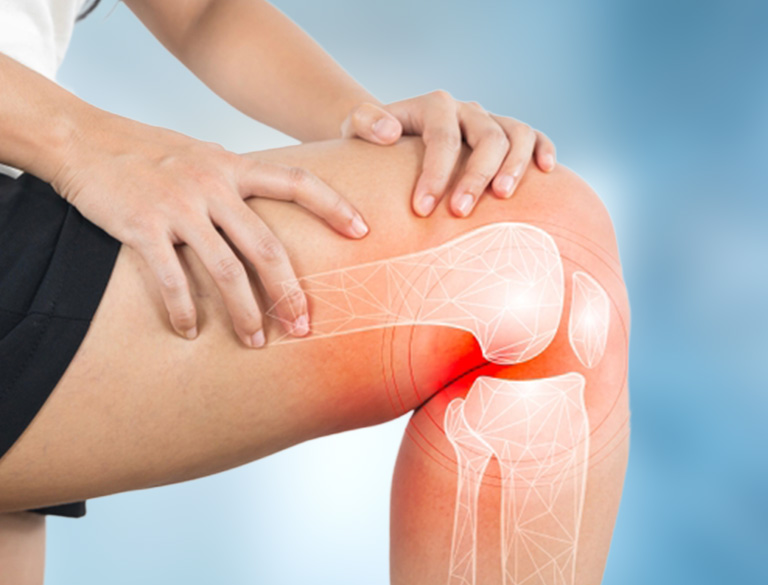
Bone weakening

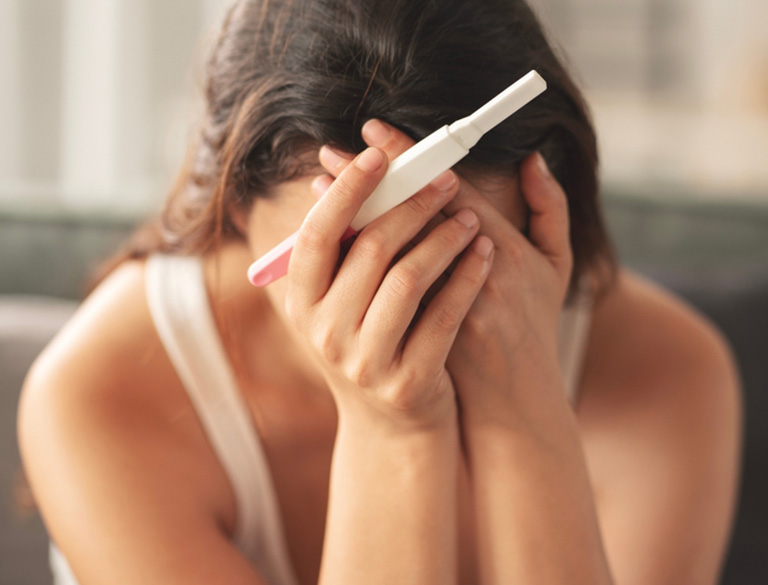
Infertility & miscarriages

Weakened immunity

Liver disease

Cancer

Why Choose Us?

The Grover Edge

01

World-Class Medical Protocols

Dr. Rajiv Grover adopts international standards of care modelled after leading medical institutes to ensure lasting relief.

02

Science-Backed Methodology

Each treatment plan is evidence-based and rooted in the latest clinical research for improved patient outcomes.

03

Ethical, Compassionate Approach

Our approach incorporates two-way communication, empathy & transparency for improved patient experiences.

04

Advanced Techniques & Treatments

We leverage the latest best practices, advanced techniques and high-end technology for greater accuracy & comfort.

Frequently Asked Questions

No. Celiac disease is a lifelong autoimmune condition. While your symptoms will disappear and your intestine will heal on a strict gluten-free diet, the immune sensitivity remains. Eating gluten at any point in the future will trigger the damage again.

Gluten intolerance (Non-Celiac Gluten Sensitivity) causes discomfort but does not damage the small intestine or trigger the immune system to attack the body. Celiac disease is a serious autoimmune condition that causes permanent physical scarring and systemic health risks.

For most, yes. However, many patients have hidden deficiencies or secondary issues like lactose intolerance that develop because of the initial damage. Dr. Grover ensures these are addressed so that your energy levels and bone density return to normal.

Self-diagnosis is risky. Other conditions like Crohn’s disease can mimic Celiac symptoms. A formal diagnosis by an expert like Dr. Rajiv Grover, a highly respected gastroenterologist in Ludhiana, is necessary to monitor you for long-term risks like bone loss, liver disease, and specific cancers that require regular medical screening.

Transitioning to a gluten-free lifestyle requires more than just avoiding bread; it involves identifying hidden gluten while ensuring your body receives the nutrients it was previously missing.

Foods to Include (Naturally Gluten-Free)

  • Grains & Starches: Rice, corn (maize), millet, buckwheat (kuttu), quinoa, and amaranth (rajgira).
  • Proteins: Fresh eggs, lean meats, poultry, fish, and all types of legumes (daals) and pulses.
  • Produce: All fresh fruits and vegetables.
  • Dairy: Plain milk, yogurt (curd), and most natural cheeses.

Foods to Avoid (Contain Gluten):

  • The Big Three: Anything containing Wheat (atta, maida, suji), Barley (jau), or Rye.
  • Processed Foods: Most biscuits, pastas, cakes, and breads.
  • Hidden Gluten: Many soy sauces, malt flavorings, beer, salad dressings, and certain spice mixes (hing/asafoetida often contains wheat flour).

Dr. Rajiv Grover, a highly respected celiac disease specialist in the Ludhiana region, leverages a specialized, multidimensional approach for the management of celiac disease, focused on long-lasting relief, improved nutritional absorption, and prevention of intestinal damage. 

After confirming the diagnosis with purposeful tests, the doctor develops an individualized treatment plan that may include:

  • Strict, lifelong gluten-free diet
  • Vitamin & nutritional supplements
  • Medicines to control inflammation
  • Medicines for symptom control
  • Regular follow-up care
  • Lifestyle management

Esophageal Cancer

Esophageal Cancer

Consult Dr. Rajiv Grover, one of the best gastroenterologists in Ludhiana, for proactive risk profiling and specialized management of esophageal cancers.

What is Esophageal Cancer?

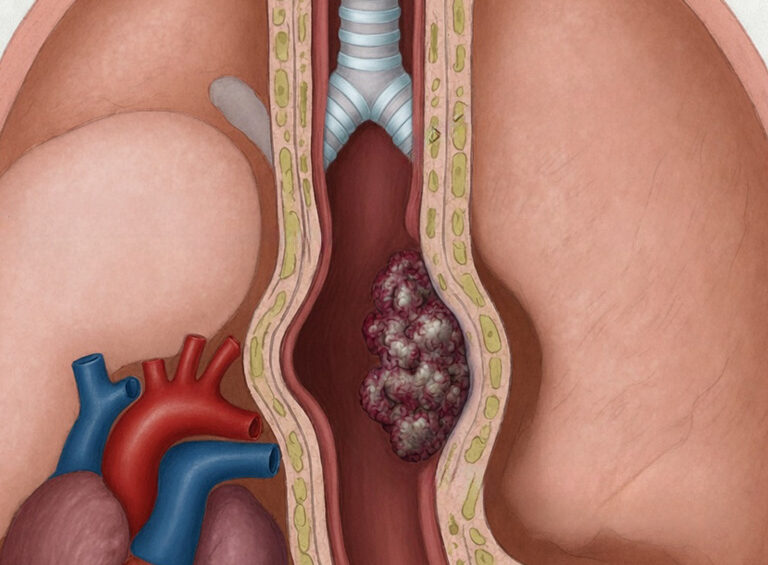
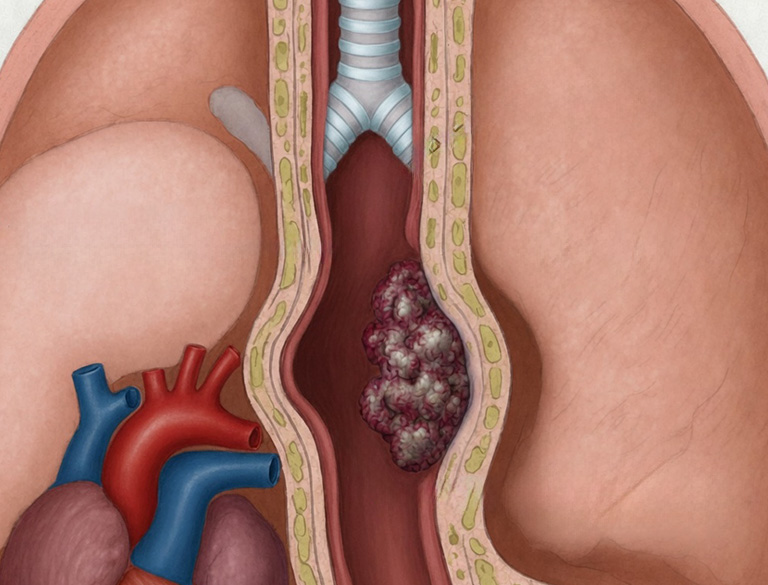
Esophageal cancer happens when cancerous cells grow and multiply in the food pipe/ esophagus, creating tumours. This type of GI cancer can develop in the tissues that make mucus or in the cells on the lining of your esophagus. Chronic irritation from GERD and smoking are major contributors to throat cancer. Advanced age, family history, smoking, and alcohol consumption are the biggest risk factors for esophageal cancers. Catching changes early in the food pipe is the most effective way to ensure a successful recovery.

Symptoms of Esophageal Cancer

Esophageal cancer may not show any symptoms in the early stages; symptoms start appearing only when the disease has progressed. If you notice any of these symptoms, you must consult your gastroenterologist immediately.

Difficulty or painful swallowing

Coughing/ hoarseness

Chest pain/ pressure/ burning

Worsening indigestion/ heartburn

Coughing/ vomiting blood

Unexplained weight loss

Note: Proactive risk profiling, early screening, and early interventions are critical to stop esophageal cancers from progressing.

Treatment Approach

Dr. Rajiv Grover’s Treatment Approach for Esophageal Cancer

Dr. Rajiv Grover, a highly respected gastroenterologist in the Ludhiana region, leverages a specialized approach for the management of esophageal cancers and malignancies. He focuses on proactive risk profiling and early screenings to catch malignancies in their most treatable stages and advanced therapeutic interventions to control disease progression and improve patient’s quality of life.

Initial Consultation

In the first, deep-dive consultation, the doctor gathers information about your medical history, lifestyle, and symptoms through a two-way conversation, followed by a physical examination to look for visible signs of the disease.

Advanced Diagnosis

The doctor leverages one or more of the following tests to diagnose and stage the cancer.

Tailored Treatment

The doctor develops an individualized treatment plan based on the stage and location of the tumour.

Risks & Complications

What Happens If You Leave Esophageal Cancer Untreated?

The consequence of untreated esophageal cancer is terminal. They both reduce life expectancy significantly through complications like:

Dehydration & starvation

Severe internal bleeding

Fatal airway obstructions

Metastasis & organ failure

Why Choose Us?

The Grover Edge

01

World-Class Medical Protocols

Dr. Rajiv Grover adopts international standards of care modelled after leading medical institutes to ensure lasting relief.

02

Science-Backed Methodology

Each treatment plan is evidence-based and rooted in the latest clinical research for improved patient outcomes.

03

Ethical, Compassionate Approach

Our approach incorporates two-way communication, empathy & transparency for improved patient experiences.

04

Advanced Techniques & Treatments

We leverage the latest best practices, advanced techniques and high-end technology for greater accuracy & comfort.

Frequently Asked Questions

Yes, esophageal cancer is treatable if identified early. Dr. Rajiv Grover, a highly respected GI specialist in the Ludhiana region, leverages a combination of endoscopic interventions, targeted drug therapies, immunotherapy, and chemotherapy to treat throat cancer with a focus on improving life expectancy

Yes. While not always entirely preventable, the risk can be significantly lowered by managing chronic acid reflux (GERD) to prevent Barrett’s Esophagus (a pre-cancerous change) and by avoiding tobacco and excessive alcohol. Early detection through regular screenings is the most effective way to stop these cancers before they start.

The goal of esophageal cancer treatment is to preserve your ability to swallow. In cases where the tumour causes a food pipe blockage, Dr. Rajiv Grover can place a temporary stent or provide specialized nutritional therapy to keep you strong.

No. Biopsies are performed during an upper GI endoscopy while you are under sedation. You will not feel the sample being taken.

EMR (Endoscopic Mucosal Resection) and ESD (Endoscopic Submucosal Dissection) are advanced, minimally invasive procedures that allow healthcare professionals to remove early-stage cancerous or precancerous growths directly through an endoscope, without the need for major open surgery.

While EMR is typically used to lift and snip smaller lesions, ESD is a highly specialized technique where precision micro-tools are used to peel a tumour away from the deeper layers of the food pipe in a single, complete piece.

Dr. Rajiv Grover, a leading ESD and EMR specialist in Ludhiana, utilizes these techniques because they help you to keep your esophagus intact. Unlike traditional surgery which often involves removing the food pipe entirely (esophagectomy), EMR and ESD offer a much faster recovery, less pain, and no external scarring. Because the tumour is removed in one piece, the pathology team can confirm with 100% accuracy that all margins are clear, significantly reducing the risk of the cancer returning.

Dr. Rajiv Grover, a highly respected gastroenterologist in the Ludhiana region, leverages a specialized approach for the management of GI cancers and malignancies. He focuses on proactive risk profiling and early screenings through precision diagnostic methods to catch malignancies in their most treatable stages. He uses advanced therapeutic interventions to control disease progression, manage symptoms, and improve patient’s quality of life.

He develops an individualized treatment plan based on the stage and location of the tumour. 

  • Esophagectomy (for early stages)
  • Endoscopic Submucosal Dissection (ESD)
  • Endoscopic Mucosal Resection (EMR)
  • Endoscopic laser therapy
  • Targeted drug therapy
  • Chemotherapy
  • Radiation therapy
  • Immunotherapy
  • Nutritional support