
Gallbladder Stones

Gallbladder Stones

Consult Dr. Rajiv Grover, a highly accomplished digestive disorders specialist in Ludhiana, for immediate relief from Gallbladder stones and the prevention of future stone formation.
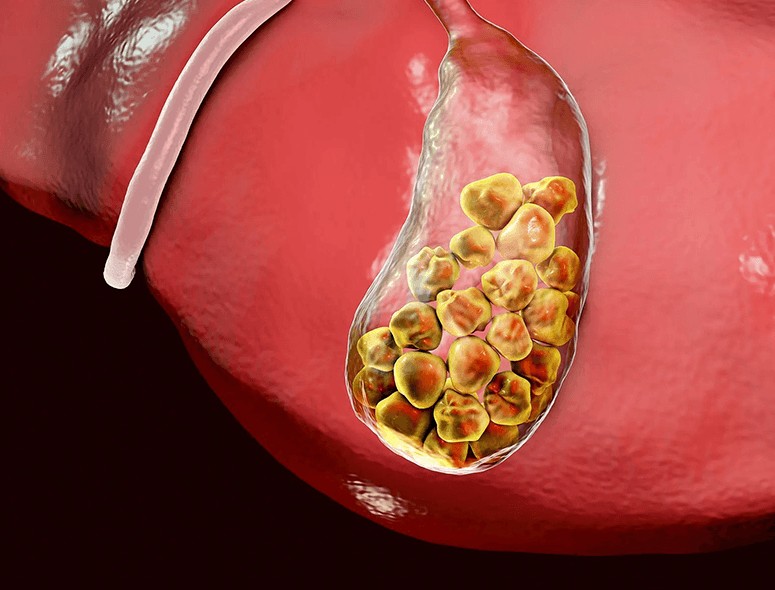
What are Gallbladder Stones?

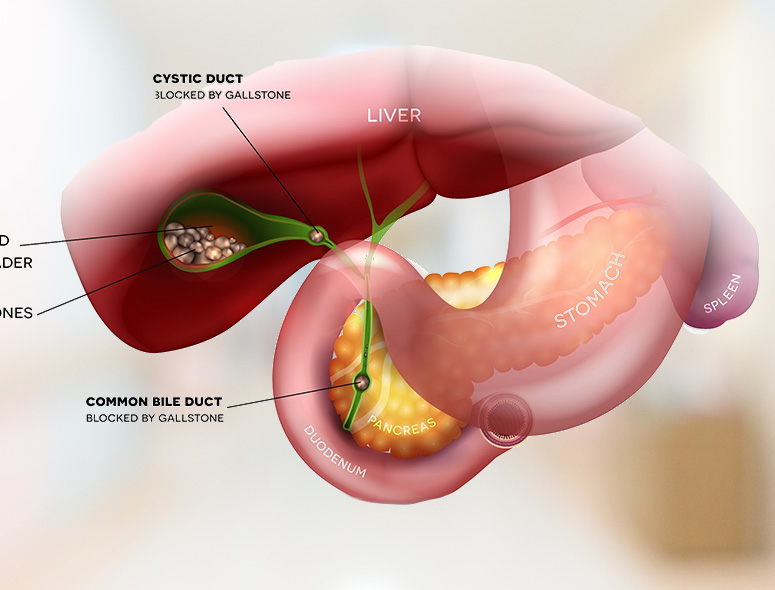
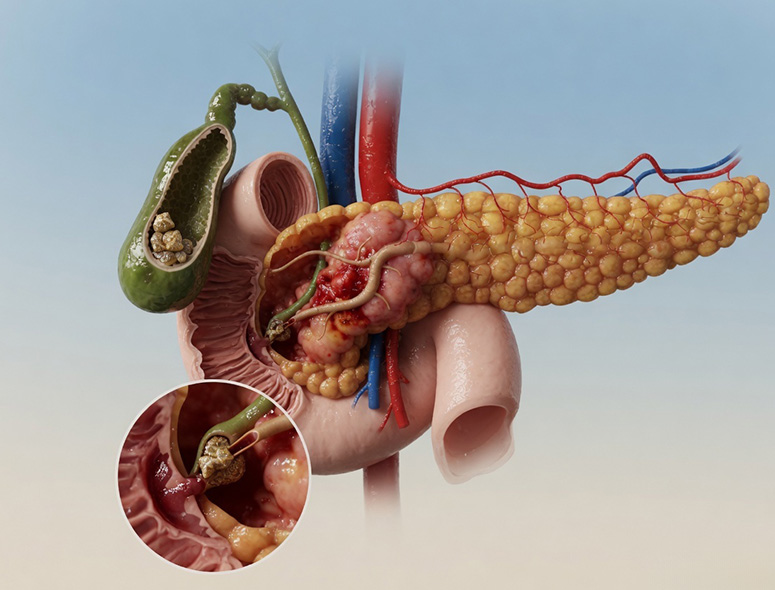
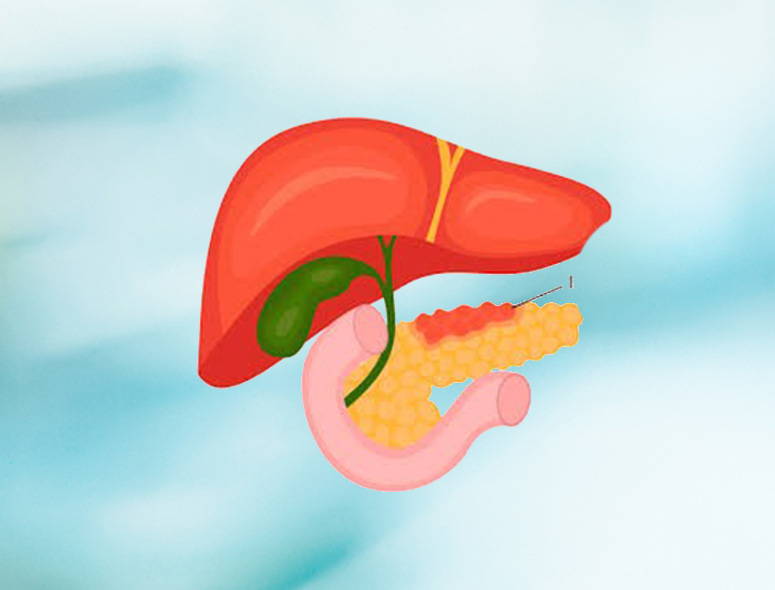
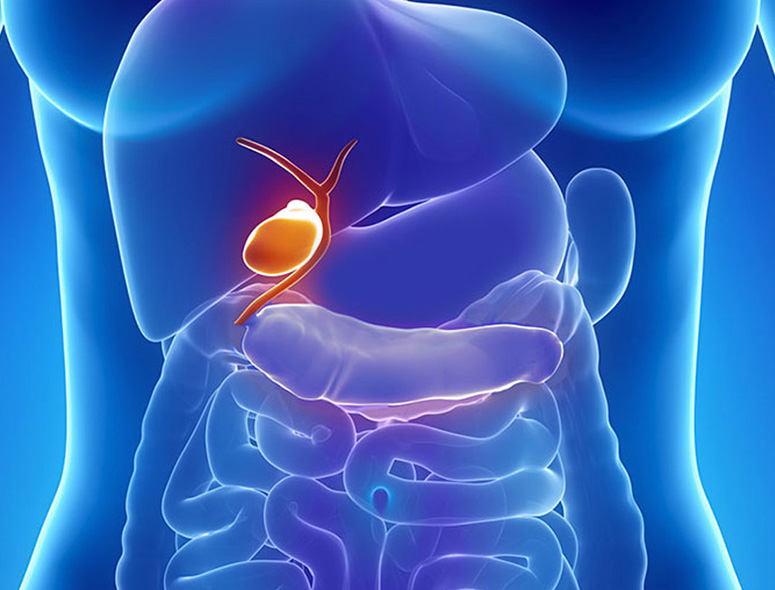
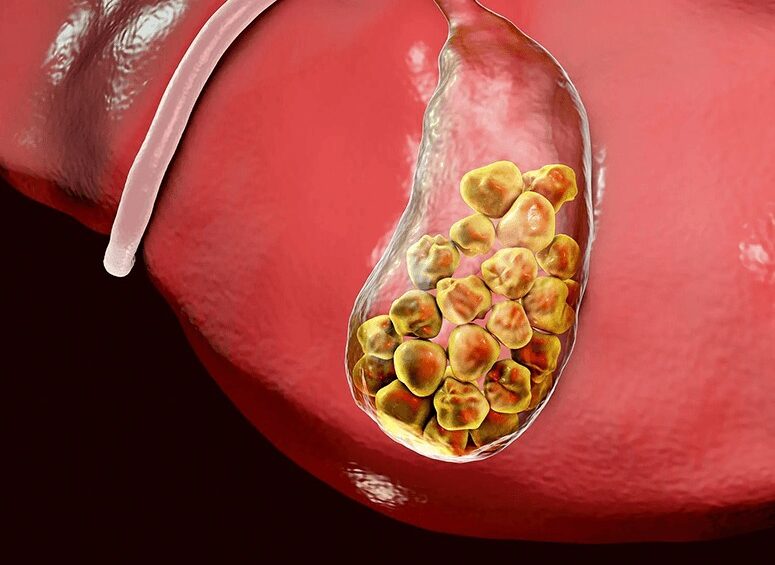
Gallstones are hardened deposits of digestive fluid called bile (primarily composed of cholesterol or bilirubin) that form in the gallbladder. Gallstones can range in size from tiny sand-like grains to golf ball-sized stones. The condition where gallstones are present in the gallbladder is called cholelithiasis.

While gallstones don’t always cause problems, they grow overtime and what begins as a grain of sand can grow big enough to stop the flow of bile. Further, they become a medical priority when they get stuck in your biliary tract and block the flow of bile from the liver to the small intestine. This, in turn, could lead to severe infection, jaundice, and pancreatitis. Precision-led diagnosis and removal of gallbladder stones are key to preventing life-threatening consequences.

Symptoms of Gallbladder Stones

Intense upper abdominal pain

Nausea/ vomiting

Dark urine

Pale stools

Fever/ sweating

Fast heart rate

When to See a Doctor for Gallbladder Stones?

If you notice any of these warning signs, you must seek immediate medical help:

Treatment Approach

Dr. Rajiv Grover’s Treatment Approach for Gallbladder Stones

Dr. Rajiv Grover, a highly regarded liver and pancreas specialist in Ludhiana, leverages his sharp clinical acumen, modern medical protocols, and advanced techniques for the removal of gallbladder stones and prevention of future stone formation.

Initial Consultation

In the first, deep-dive consultation, the doctor gathers information about the patient’s personal and family medical history, symptoms, lifestyle, and nutrition through a two-way conversation, followed by a physical examination.

Advanced Diagnosis

The doctor leverages one or more of the following tests for the precision-led diagnosis of gallbladder stones.

Tailored Treatment

The individualized treatment plan may include one or more of the following:

Risks & Complications

What Happens If You Leave Gallbladder Stones Untreated?

Untreated gallstones can lead to serious, life-threatening complications.
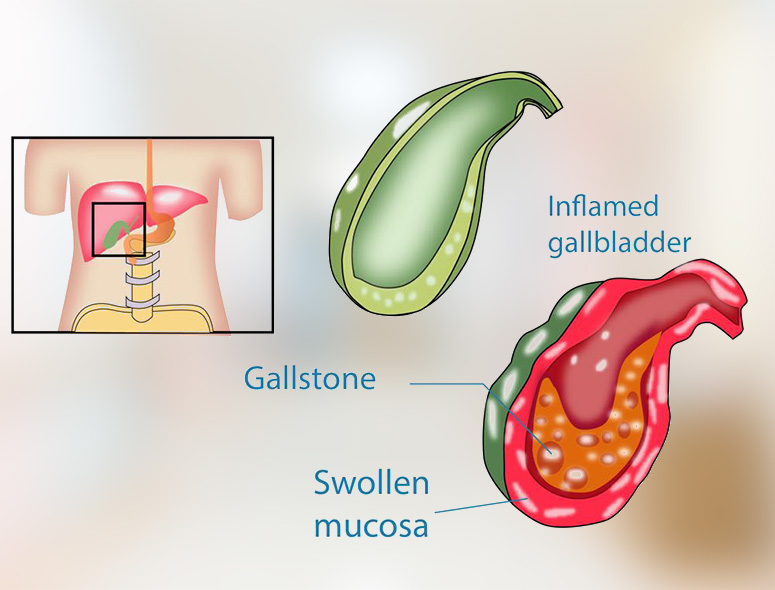
Acute gallbladder inflammation
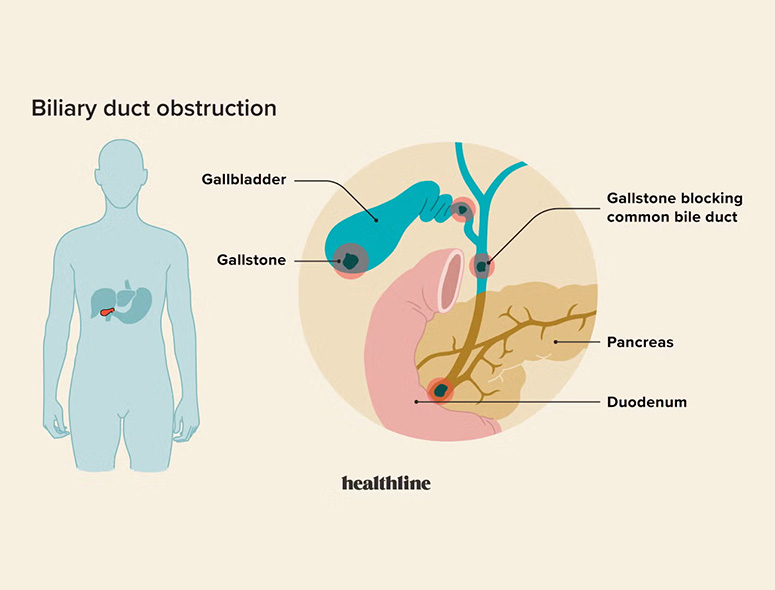
Bile duct infections
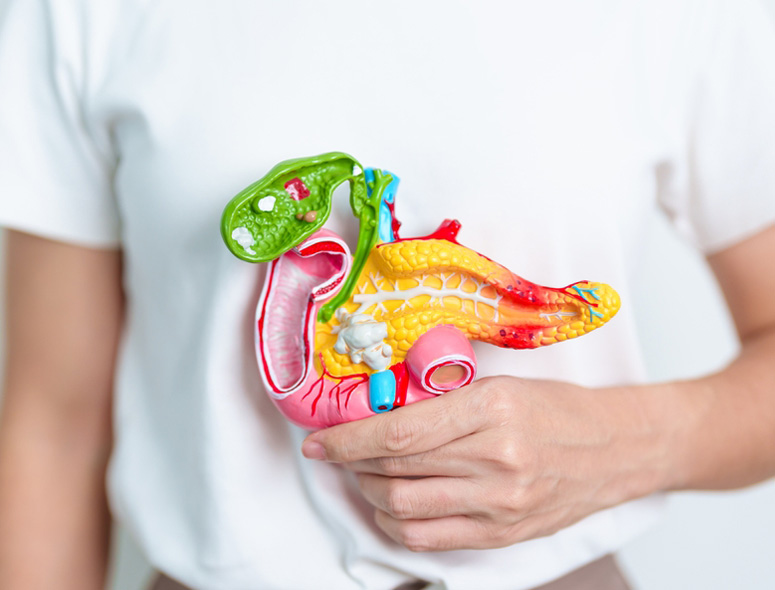
Pancreatitis
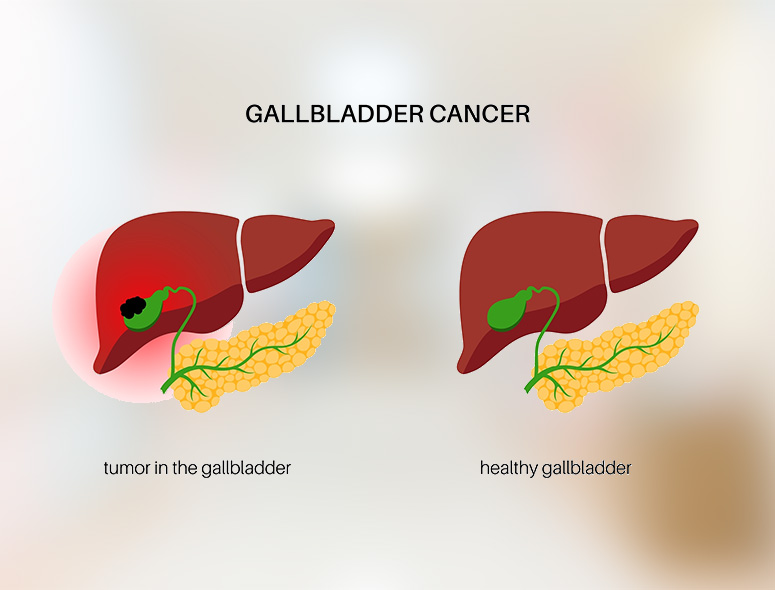
Gallbladder cancer

Why Choose Us?

The Grover Edge

01

World-Class Medical Protocols

Dr. Rajiv Grover adopts international standards of care modelled after leading medical institutes to ensure lasting relief.

02

Science-Backed Methodology

Each treatment plan is evidence-based and rooted in the latest clinical research for improved patient outcomes.

03

Ethical, Compassionate Approach

Our approach incorporates two-way communication, empathy & transparency for improved patient experiences.

04

Advanced Techniques & Treatments

We leverage the latest best practices, advanced techniques and high-end technology for greater accuracy & comfort.

Frequently Asked Questions

Bile is the digestive fluid produced by the liver and stored in the gallbladder. When you eat, the bile is emptied through the bile duct into the small intestine to aid digestion. Gallstones form if your bile contains excessive cholesterol, too much bilirubin, or insufficient bile salts. Such imbalances are caused by certain risk factors including:

  • Unbalanced/ fatty/ low-fibre diet
  • Family history
  • Advanced age (over 40 years)
  • Sedentary lifestyle
  • Diabetes
  • Liver disease
  • Losing weight too quickly
  • Pregnancy
  • Certain medications

Yes, gallbladder stones are highly curable. Through a combination of medications, endoscopic techniques such as ERCP, EUS, and SpyGlass Cholangioscopy, and laparoscopic surgery, it is possible to remove gallstones, ensure pain relief, and prevent formation of future stones.

Yes, gallstones are serious even though may may not always cause problems. While they are silent in the initial stages, there is a risk of them growing within the gallbladder or moving along the bile duct, causing a blockage to the flow of bile. In either case, they become a medical priority that warrant immediate medical attention. If left untreated, this could lead to severe digestive crisis, infection, jaundice, and pancreatitis.

If you notice any of these warning signs, you must seek immediate medical help:

  • Persistent, intense abdominal pain
  • Severe pain that makes sitting difficult
  • Jaundice
  • High fever with chills
  • Rapid heartbeat
  • Low blood pressure

Your dietary choices play a significant role in the chemical balance of your bile. To reduce the risk of gallstones and manage your existing stones, you should avoid:

  • High fat foods
  • Fried foods
  • Refined carbohydrates
  • Sugary foods
  • Rapid weight loss
  • Excessive cholesterol
  • Irregular eating habits

To prevent gallstones and manage your existing stones, eat a well-balanced, nourishing diet that is rich in fibres, moderate your fat intake, and stay hydrated.

While oral medications do exist for dissolving small cholesterol stones, the process takes months and even years. These stones often return after the medication course has stopped. Advanced endoscopic interventions and cholecystectomy are preferred methods to treat gallbladder stones.

Dr. Rajiv Grover leverages his sharp clinical acumen, modern medical protocols, and advanced techniques for the removal of gallbladder stones and prevention of future stone formation.

Dr. Grover, a highly regarded ERCP specialist in Ludhiana, is a regional authority in the use of advanced endoscopic techniques such as ERCP, MRCP, EUS, and SpyGlass Cholangioscopy for the location and removal of obstructive gallstones. He individualizes the treatment plan based on the location and severity of gallstones and may include a combination of medical treatments, endoscopic techniques, laparoscopic interventions, biliary drainage, lifestyle optimization and nutritional support.
CBD Stones (Choledocholithiasis)

CBD Stones (Choledocholithiasis)

Consult Dr. Rajiv Grover, a highly accomplished digestive disorders specialist in Ludhiana, for immediate relief from CBD stones and the prevention of future stone formation.

What are CBD Stones (Choledocholithiasis)?

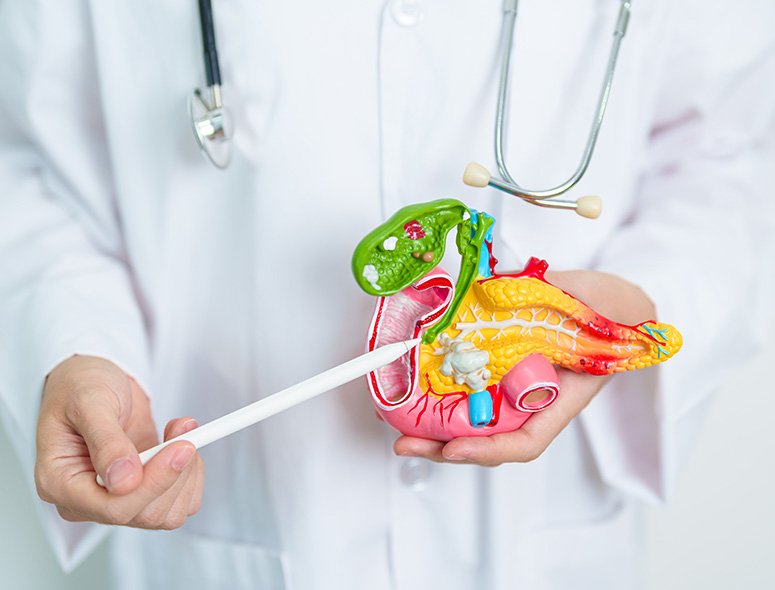
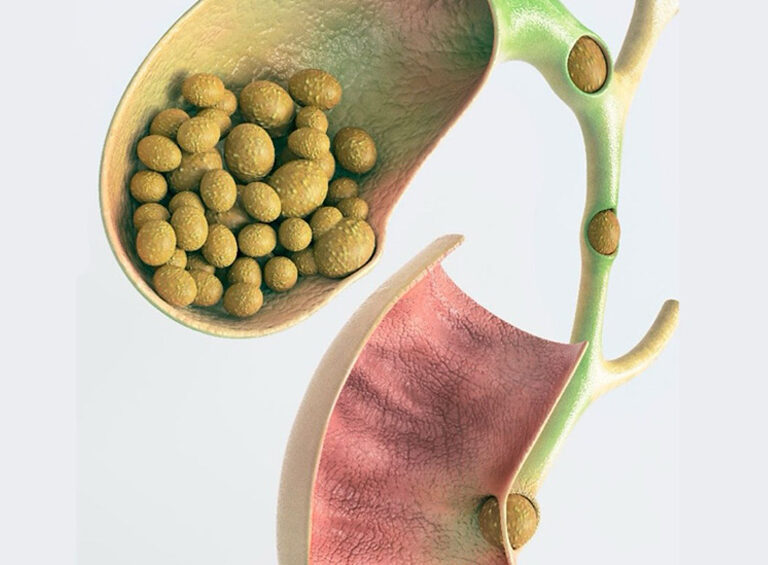
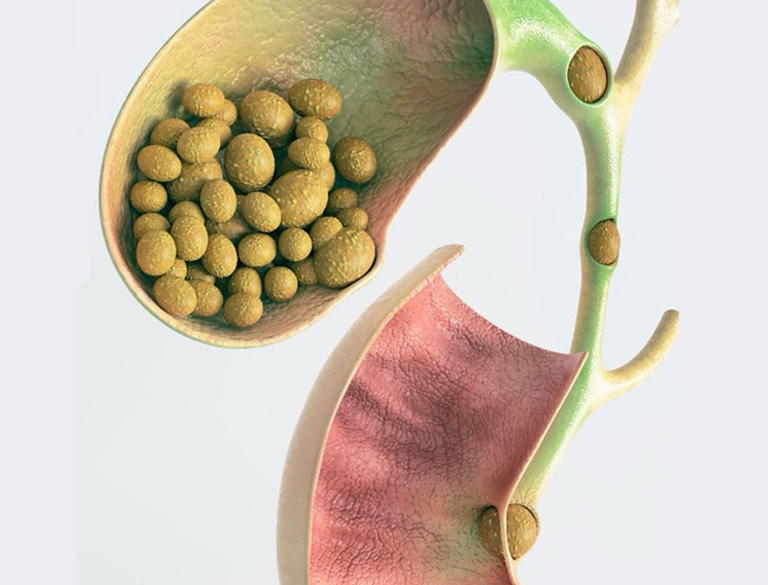
The Common Bile Duct (CBD) is the duct that carries bile from your liver and gallbladder to the small intestine. Choledocholithiasis is the condition where a gallstone (hardened deposits of cholesterol or bilirubin) migrates out of the gallbladder and becomes lodged in this duct. The gallstone, which can range in size from a tiny sand-like grain to a golf ball-sized stone, that migrates from the gallbladder to the common bile duct is called a CBD stone.

The seriousness of Choledocholithiasis depends upon the size of CBD stones. While small CBD stones may pass spontaneously, larger stones often get stuck in biliary tract. When this happens, they grow large enough overtime, obstructing the flow of bile and causing serious complications like infection, pancreatitis, and jaundice. CBD stones, in such cases, becomes a medical priority and need to be precisely diagnosed and treated to prevent life-threatening consequences.

Symptoms of CBD Stones

Intense upper abdominal pain

Nausea/ vomiting

Dark urine

Pale stools

Fever/ sweating

Fast heart rate

When to See a Doctor for CBD Stones?

If you notice any of these warning signs, you must seek immediate medical help:

Treatment Approach

Dr. Rajiv Grover’s Treatment Approach for CBD Stones

Dr. Rajiv Grover, a highly regarded liver and pancreas specialist in Ludhiana, leverages his sharp clinical acumen, modern medical protocols, and advanced techniques for the removal of CBD stones and prevention of future stone formation.

Initial Consultation

In the first, deep-dive consultation, the doctor gathers information about the patient’s personal and family medical history, symptoms, lifestyle, and nutrition through a two-way conversation, followed by a physical examination.

Advanced Diagnosis

The doctor leverages one or more of the following tests for the precision-led diagnosis of CBD stones.

Tailored Treatment

The individualized treatment plan may include one or more of the following:

Risks & Complications

What Happens If You Leave Choledocholithiasis Untreated?

Untreated CBD can lead to serious, life-threatening complications.

Cholecystitis (gallbladder inflammation)

Acute Cholangitis

Bile duct infections

Gallstones pancreatitis

Why Choose Us?

The Grover Edge

01

World-Class Medical Protocols

Dr. Rajiv Grover adopts international standards of care modelled after leading medical institutes to ensure lasting relief.

02

Science-Backed Methodology

Each treatment plan is evidence-based and rooted in the latest clinical research for improved patient outcomes.

03

Ethical, Compassionate Approach

Our approach incorporates two-way communication, empathy & transparency for improved patient experiences.

04

Advanced Techniques & Treatments

We leverage the latest best practices, advanced techniques and high-end technology for greater accuracy & comfort.

Frequently Asked Questions

Bile is the digestive fluid produced by the liver and stored in the gallbladder. When you eat, the bile is emptied through the bile duct into the small intestine to aid digestion. Gallstones form if your bile contains excessive cholesterol, too much bilirubin, or insufficient bile salts. Such imbalances are caused by certain risk factors including:

  • Unbalanced/ fatty/ low-fibre diet
  • Family history
  • Advanced age (over 40 years)
  • Sedentary lifestyle
  • Diabetes
  • Liver disease
  • Losing weight too quickly
  • Pregnancy
  • Certain medications

Yes, CBD stones are highly curable. Through a combination of medications, endoscopic techniques such as ERCP, EUS, and SpyGlass Cholangioscopy, and laparoscopic surgery, it is possible to remove gallstones, ensure pain relief, and prevent formation of future stones. Dr. Rajiv Grover, an advanced endoscopy specialist in Ludhiana, is widely known for his use of SpyGlass Cholangioscopy to treat CBD stones and ensure immediate pain relief to patients.

Yes, CBD stones are serious even though may may not always cause problems. They are particularly considered a medical priority when they get lodged in the bile duct and/or grow overtime in the CBD, causing a blockage to the flow of bile. In either case, they warrant immediate medical attention. If left untreated, this could lead to severe digestive crisis, infection, jaundice, and pancreatitis.

If you notice any of these warning signs, you must seek immediate medical help:

  • Persistent, intense abdominal pain
  • Severe pain that makes sitting difficult
  • Jaundice
  • High fever with chills
  • Rapid heartbeat
  • Low blood pressure

While a standard ERCP (Endoscopic Retrograde Cholangiopancreatography) uses X-ray shadows to guess the location of a stone or blockage, SpyGlass Cholangioscopy allows the doctor to actually see inside your bile ducts in high definition.

  • Direct Visualization: It uses a tiny, spy camera – about the size of a pencil lead – that is inserted directly into the bile or pancreatic ducts.  
  • Precision Stone Breaking: For stones that are too large or stuck to be removed by traditional ERCP, specialists like Dr. Rajiv Grover use the SpyGlass to perform Laser or Electrohydraulic Lithotripsy, breaking the stone into tiny fragments under direct vision.
  • Accurate Biopsies: If there is a suspicious growth or narrowing (stricture), SpyGlass allows for a targeted biopsy, ensuring the tissue sample is taken from the exact spot needed for a 100% accurate diagnosis.

While oral medications do exist for dissolving small cholesterol stones, the process takes months and even years. These stones often return after the medication course has stopped. Advanced endoscopic interventions and cholecystectomy are preferred methods to treat CBD stones.

Dr. Rajiv Grover leverages his sharp clinical acumen, modern medical protocols, and advanced techniques for the removal of gallbladder and CBD stones and prevention of future stone formation. He is a highly regarded ERCP specialist in Ludhiana and a regional authority in the use of advanced endoscopic techniques such as ERCP, MRCP, EUS, and SpyGlass Cholangioscopy for the location and removal of obstructive gallstones. He individualizes the treatment plan based on the location and severity of gallstones and may include a combination of medical treatments, endoscopic techniques, laparoscopic interventions, biliary drainage, lifestyle optimization and nutritional support.
Acute Pancreatitis

Acute Pancreatitis

Consult Dr. Rajiv Grover, one of the best pancreatitis specialists in Ludhiana, for multidimensional care that resolves sudden inflammation, provides intensive pain relief, and protects pancreatic function.

What is Acute Pancreatitis?

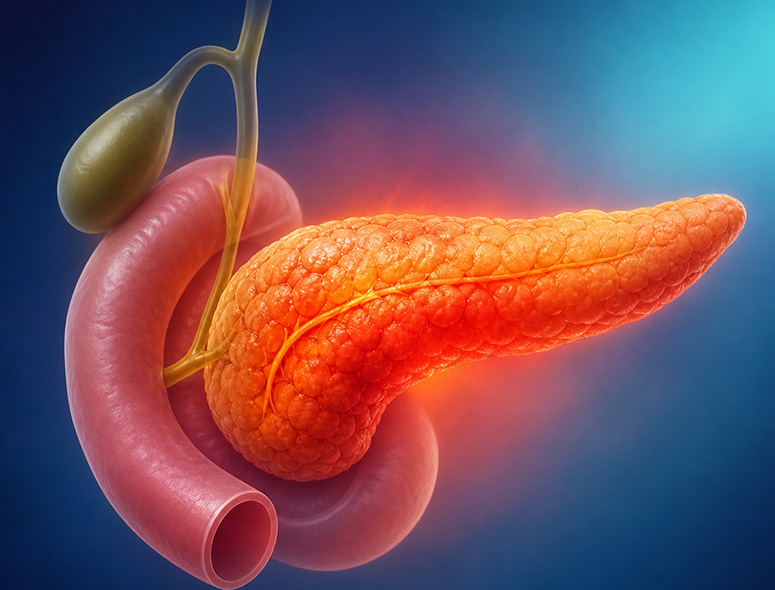
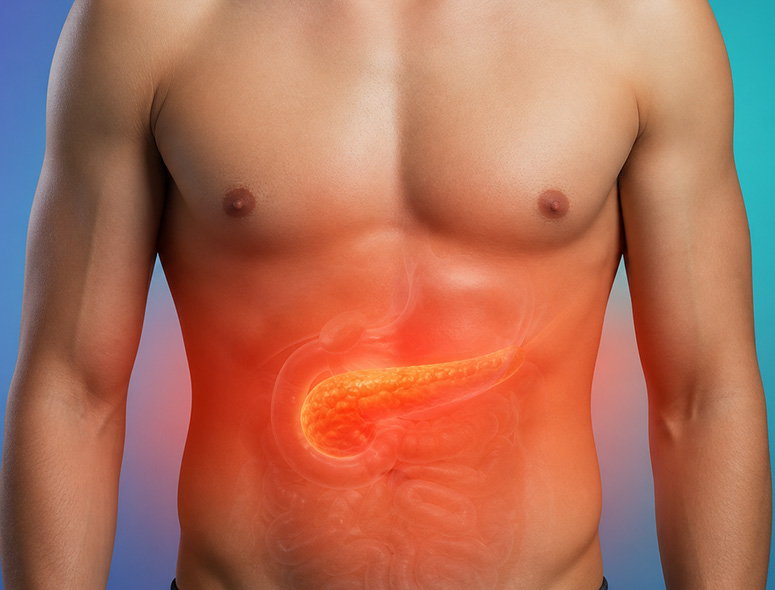
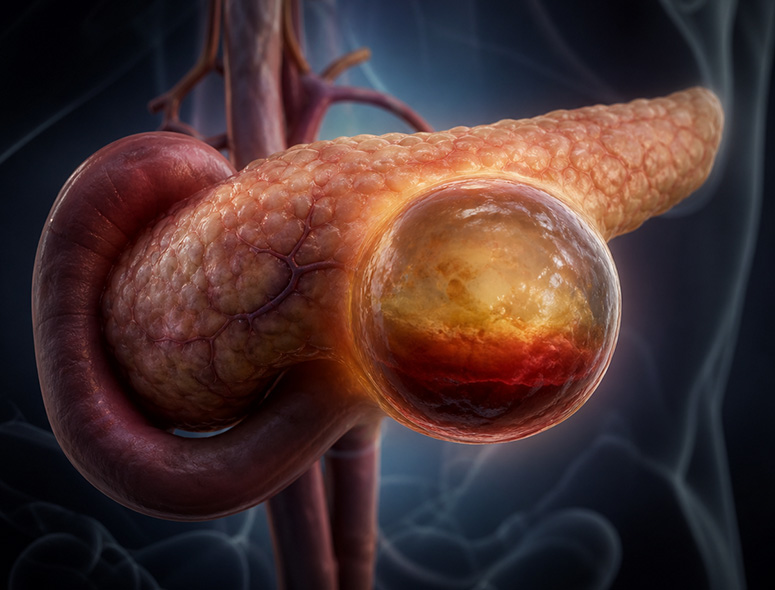
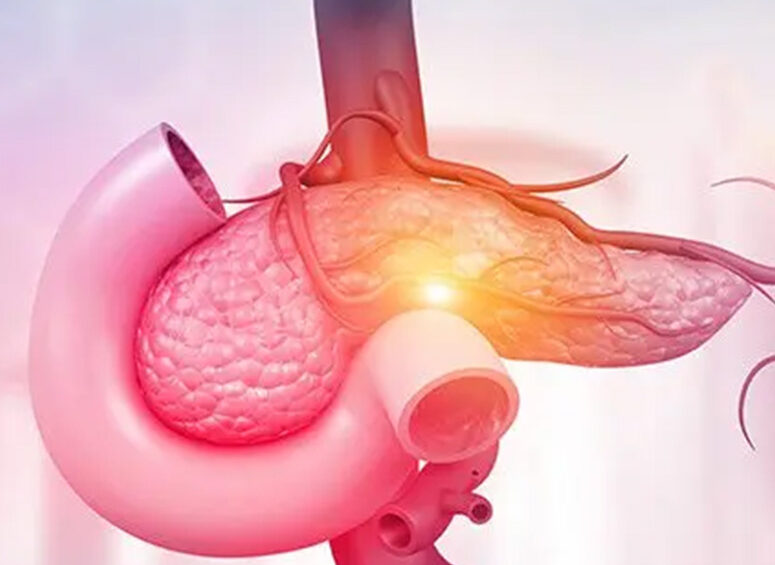
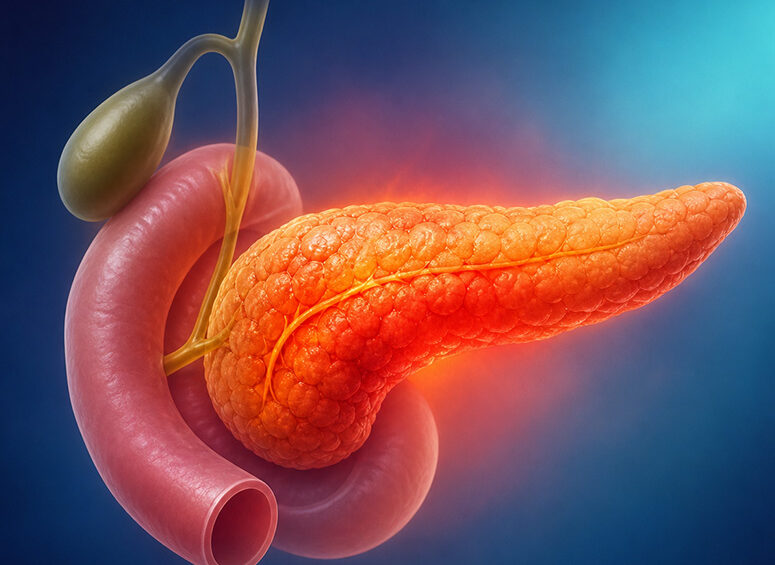
Acute pancreatitis refers to the sudden, temporary inflammation of the pancreas, leading to pain, swelling, and changes in how the pancreas function. Pancreas is a vital organ responsible for producing digestive enzymes and hormones like insulin to regulate blood sugar levels. When the pancreas is injured or damaged due to short-term causes, its enzymes activate prematurely while still inside the pancreas, causing the organ to irritate and digest its own tissues. This inflammation happens as a natural immune response meant to heal injured tissues.

Acute pancreatitis happens suddenly due to short-term causes including minor injury (trauma, surgery or endoscopy), gallstones, heavy alcohol use/ smoking, and high triglycerides or calcium levels in blood. Most patients make a complete recovery within a few days of specialized supportive care that includes hydration, rest, and pain relief. However, without identifying the root cause, the of recurrence and life-threatening complications remain high.

Symptoms of Acute Pancreatitis

The primary symptom of both acute and chronic pancreatitis is abdominal pain that starts in the upper belly and radiates through to the back. In addition, there are specific symptoms of acute and chronic conditions:

Acute Pancreatitis

Pain in upper right abdomen that radiates to the back/ shoulders

Pain that worsens after eating

Tenderness when touching the belly

Nausea/ vomiting

Fast heartbeat/ fast, shallow breathing

Fever

When to See a Doctor for Acute Pancreatitis?

If you notice any of the following warning signs, you should consult a specialist:

Treatment Approach

Dr. Rajiv Grover’s Treatment Approach for Acute Pancreatitis

Dr. Rajiv Grover, an accomplished liver and pancreas specialist in Ludhiana, ensures the multidimensional management of acute pancreatitis. His priorities are ensuring intensive pain relief and nutritional support, preventing future flareups, and protecting pancreatic function.

Initial Consultation

In the first, deep-dive consultation, the doctor gathers information about the patient’s personal and family medical history, symptoms, lifestyle, and nutrition through a two-way conversation, followed by a physical examination to check for tenderness and pain in your belly.

Advanced Diagnosis

The doctor leverages one or more of the following tests to confirm the diagnosis and to pinpoint underlying causes like bile duct stones, obstructions, inflammation, and injury.

Tailored Treatment

Dr. Rajiv Grover leverages an individualized, evidence-based methodology to design a treatment plan for acute pancreatitis.

Risks & Complications

What Happens If You Leave Acute Pancreatitis Untreated?

If left untreated, acute pancreatitis causes serious complications.

Pancreatic necrosis (tissue death)

Pancreatic infections

Pseudocyst infection & bleeding

Chronic pancreatitis

Why Choose Us?

The Grover Edge

01

World-Class Medical Protocols

Dr. Rajiv Grover adopts international standards of care modelled after leading medical institutes to ensure lasting relief.

02

Science-Backed Methodology

Each treatment plan is evidence-based and rooted in the latest clinical research for improved patient outcomes.

03

Ethical, Compassionate Approach

Our approach incorporates two-way communication, empathy & transparency for improved patient experiences.

04

Advanced Techniques & Treatments

We leverage the latest best practices, advanced techniques and high-end technology for greater accuracy & comfort.

Frequently Asked Questions

Acute pancreatitis is a temporary condition that happens as the pancreas heals from a minor/ short-term injury. Chronic pancreatitis is a long-term, progressive condition where repeated inflammation leads to permanent scarring and the pancreas stop producing insulin and digestive enzymes altogether.

In most cases, the pancreas heals completely. However, if the pancreatitis attack is severe or if the underlying cause (like gallstones) are not properly addressed, it can lead to chronic damage or life-threatening complications.

Gallstones and heavy alcohol consumption are the two top causes of pancreatitis in about 80% of the cases. The following are the less common causes of pancreatitis:

  • Metabolic Issues: High triglycerides or high blood calcium levels.
  • Physical Injury: Trauma, surgery, or complications from certain endoscopic procedures.
  • Genetic & Systemic Factors: Autoimmune diseases, cystic fibrosis, or specific genetic predispositions.
  • Infections: Certain viral or bacterial infections.

Acute pancreatitis is preventable if the underlying causes and triggers are preventable. However, you can reduce the risk of acute pancreatitis by adopting the following preventative measures:

  • Reducing the risk of gallstones
  • Quitting smoking and drinking
  • Managing cholesterol levels
  • Maintaining a healthy weight
  • Eating a well-balanced diet
  • Staying hydrated
  • Reviewing medications that increase the risk

Most mild cases of acute pancreatitis resolve within 3 to 5 days of hospital care. However, severe cases with complications may require a longer recovery period and specialized nutritional management.

Initially, you may need to avoid food to let the pancreas rest. Dr. Rajiv Grover, a pancreatic and liver specialist in Ludhiana, will gradually reintroduce a low-fat, high-nutrient diet to ensure the organ isn’t overloaded during the healing phase.

Dr. Rajiv Grover, an accomplished gastroenterologist and hepatologist in Ludhiana, ensures the multidimensional management of acute pancreatitis. His priorities are ensuring intensive pain relief and nutritional support, preventing future flareups, and protecting pancreatic function.

The doctor leverages advanced diagnostic tests (including ERCP and EUS) to confirm the diagnosis and pinpoint underlying causes like bile duct stones, obstructions, inflammation, and injury. He leverages an individualized, evidence-based methodology to design a treatment plan. For acute pancreatitis, the doctor may recommend:  

  • Pain medicines
  • Antibiotics
  • IV fluids
  • Nutritional support 
  • Gallstone Removal using ERCP
  • Gallbladder removal surgery
  • Treatments for de-addiction/ smoking cessation
  • Treatment for high triglycerides
  • Fluid draining/ dead tissue removal procedures
  • Lifestyle and dietary shifts

Chronic Pancreatitis

Chronic Pancreatitis

Consult Dr. Rajiv Grover, one of the best pancreatitis specialists in Ludhiana, for multidimensional care that prevents future flareups and protects pancreatic function.

What is Chronic Pancreatitis?

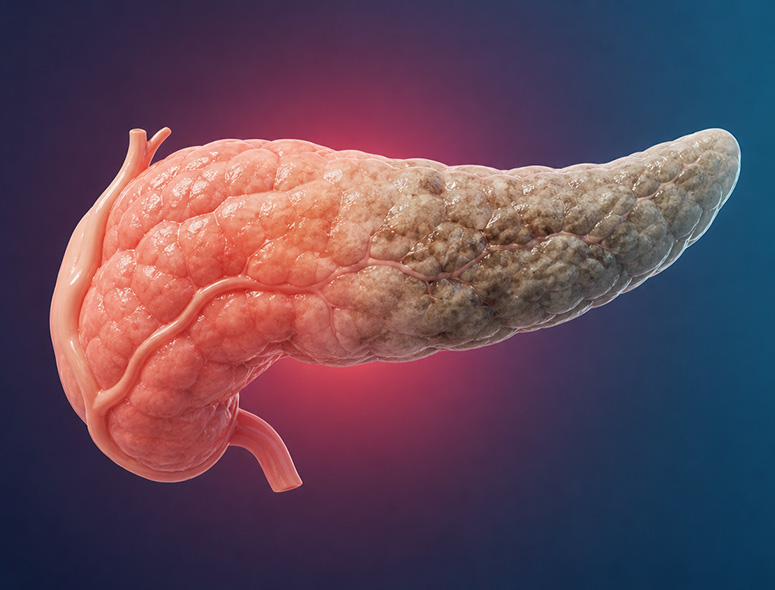
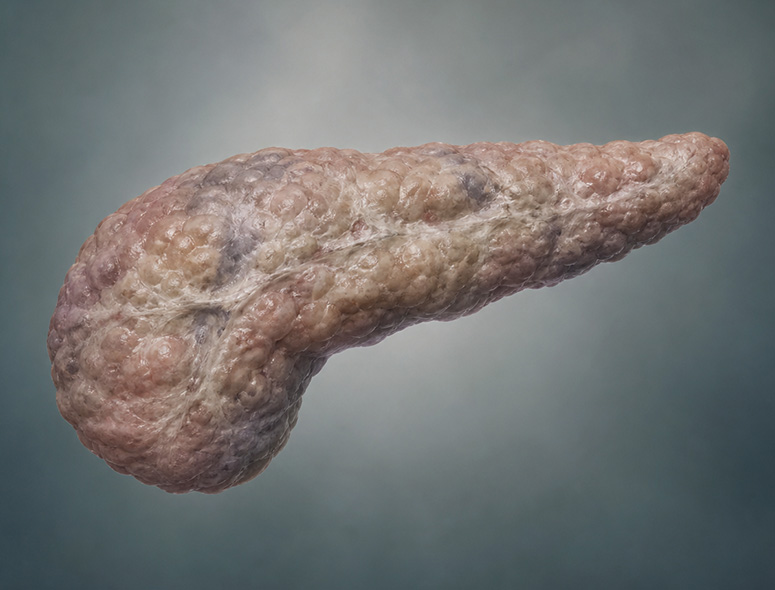
Chronic pancreatitis is a long-term, progressive condition where repeated inflammation leads to permanent scarring, and the pancreas stop producing insulin and digestive enzymes altogether. Pancreas is a vital organ responsible for producing digestive enzymes and hormones like insulin to regulate blood sugar levels. When the pancreas is injured or damaged due to chronic causes (alcohol abuse, genetics, metabolic issues), its enzymes activate prematurely. This causes the organ to digest itself, leading to a cycle of inflammation and scarring that eventually results in Pancreatic Insufficiency.

Symptoms of Chronic Pancreatitis

Abdominal pain in the upper right side that radiates to the back/ shoulders

Chronic indigestion/ Diarrhoea

Loss of appetite/ Unintended weight loss

Fatty/ oily, smelly stools (oily film in the toilet)

Diabetes symptoms (excessive thirst, hunger, urination)

Back pain

When to See a Doctor for Chronic Pancreatitis?

If you notice any of the following warning signs, you should consult a specialist:

Treatment Approach

Dr. Rajiv Grover’s Treatment Approach for Chronic Pancreatitis

Dr. Rajiv Grover, an accomplished liver and pancreas specialist in Ludhiana, ensures the multidimensional management of chronic pancreatitis. His priorities are ensuring intensive pain relief and nutritional support, preventing future flareups, and protecting pancreatic function.

Initial Consultation

In the first, deep-dive consultation, the doctor gathers information about the patient’s personal and family medical history, symptoms, lifestyle, and nutrition through a two-way conversation, followed by a physical examination to check for tenderness and pain in your belly.

Advanced Diagnosis

The doctor leverages one or more of the following tests to confirm the diagnosis and to pinpoint underlying causes like bile duct stones, obstructions, inflammation, and cancer.

Tailored Treatment

Dr. Rajiv Grover leverages an individualized, evidence-based methodology to design a treatment plan.

Risks & Complications

What Happens If You Leave Chronic Pancreatitis Untreated?

If left untreated, chronic pancreatitis causes serious complications.

Malabsorption and malnutrition

Increased risk of pancreatic cancer

Pseudocyst infection & bleeding

Diabetes

Organ failure

Why Choose Us?

The Grover Edge

01

World-Class Medical Protocols

Dr. Rajiv Grover adopts international standards of care modelled after leading medical institutes to ensure lasting relief.

02

Science-Backed Methodology

Each treatment plan is evidence-based and rooted in the latest clinical research for improved patient outcomes.

03

Ethical, Compassionate Approach

Our approach incorporates two-way communication, empathy & transparency for improved patient experiences.

04

Advanced Techniques & Treatments

We leverage the latest best practices, advanced techniques and high-end technology for greater accuracy & comfort.

Frequently Asked Questions

Acute pancreatitis is a temporary condition that happens as the pancreas heals from a minor/ short-term injury. Chronic pancreatitis is a long-term, progressive condition where repeated inflammation leads to permanent scarring, and the pancreas stop producing insulin and digestive enzymes altogether.

Oily stools (steatorrhea) occur because your pancreas is no longer producing enough lipase (the enzyme that breaks down fat). This causes undigested fats to pass through your system, leading to foul-smelling stools that may have an oily film.

Chronic pancreatitis is preventable if the underlying causes are preventable. However, you can reduce the risk of pancreatitis by adopting the following preventative measures:

  • Reducing the risk of gallstones
  • Quitting smoking and drinking
  • Managing cholesterol levels
  • Maintaining a healthy weight
  • Eating a well-balanced diet
  • Staying hydrated
  • Reviewing medications that increase the risk

Yes, but it requires lifelong enzyme replacement and insulin therapy. Dr. Rajiv Grover’s goal is always pancreatic preservation using advanced interventions to save as much healthy tissue as possible.

While many patients associate chronic pancreatitis solely with alcohol, smoking is a powerful and independent risk factor for the disease. Smoking accelerates the calcification (hardening) of the pancreas and significantly increases the speed at which the disease progresses toward total organ failure.

Most importantly, smokers with chronic pancreatitis have a much higher risk of developing Pancreatic Cancer. By quitting, you aren’t just managing symptoms; you are actively protecting yourself against the most severe complications of the condition.

Dr. Rajiv Grover, an accomplished gastroenterologist and hepatologist in Ludhiana, ensures the multidimensional management of chronic pancreatitis. His priorities are ensuring intensive pain relief and nutritional support, preventing future flareups, and protecting pancreatic function.

The doctor leverages advanced diagnostic tests (including ERCP and EUS) to confirm the diagnosis and pinpoint underlying causes like bile duct stones, obstructions, inflammation, and cancer. He leverages an individualized, evidence-based methodology to design a treatment plan.

  • EUS-Guided Pseudocyst Drainage
  • Spyglass Cholangioscopy
  • Long-term pain management
  • Enzymes to improve digestion
  • Clinical nutritional guidance
  • Lifestyle changes 
  • Surgery in severe cases

Acute Appendicitis

Acute Appendicitis

Consult Dr. Rajiv Grover, one of the gastroenterologists in Ludhiana, for accurate diagnosis and prompt interventions to prevent serious complications.

What is Acute Appendicitis?

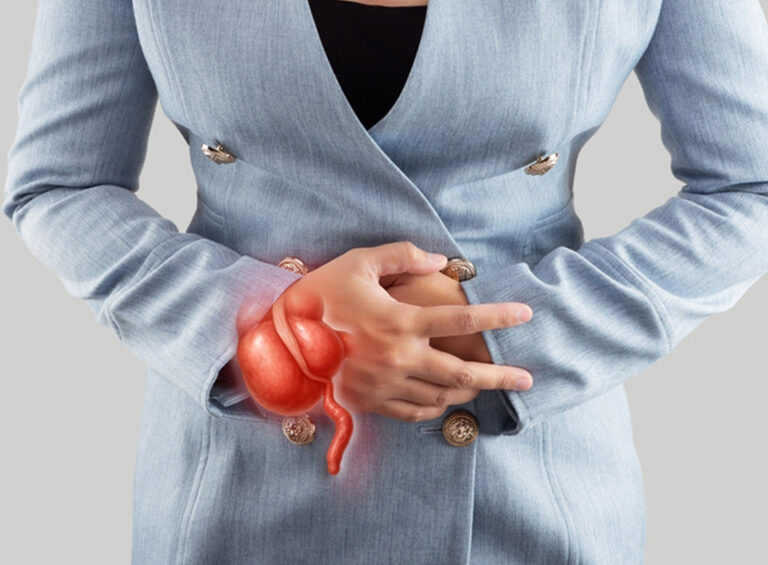
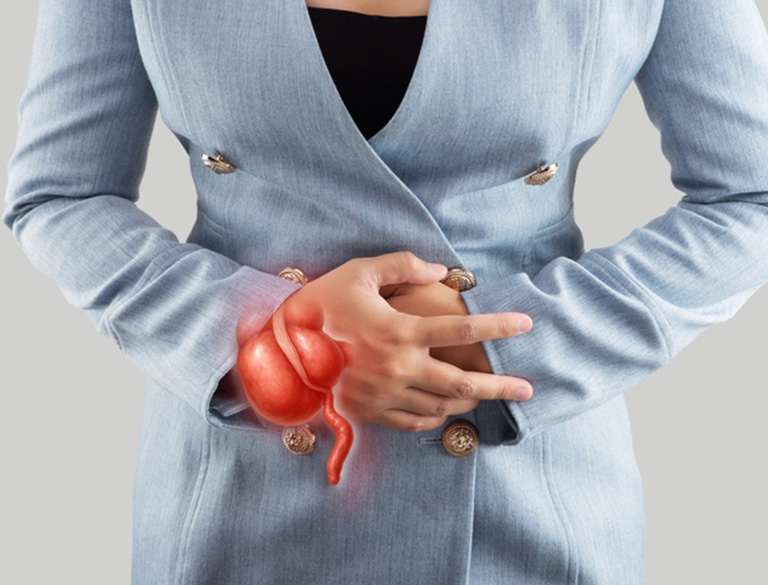
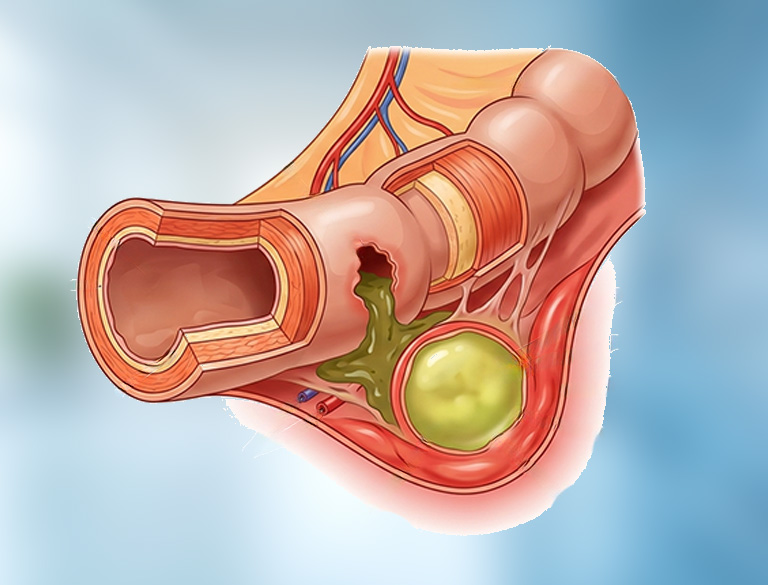
Appendicitis refers to the inflammation of the appendix (a small, tube-shaped organ that sticks out on the lower right side of the colon). Acute appendicitis can cause sudden, intense pain in the lower right abdomen. It is common among teenagers and young adults. While its exact function is still debated, an inflamed appendix becomes a high-priority medical emergency.

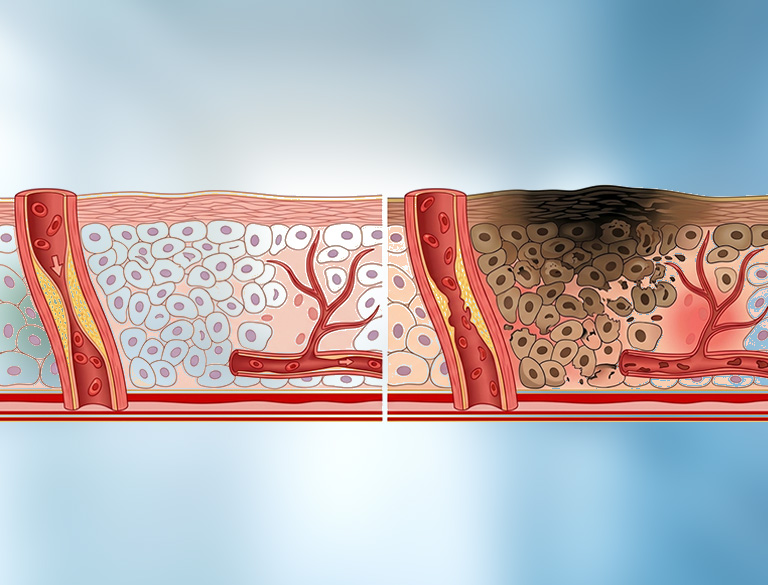
The inflammation of the appendix is usually triggered when the opening of the appendix becomes blocked by stool, a foreign object, or an infection. This blockage causes the appendix to swell with mucus and burst. If not treated quickly, the internal pressure can cut off blood flow, causing the tissue to die and the appendix to burst (perforate). A burst appendix spills infectious material into the abdominal cavity, which can lead to life-threatening complications.

Symptoms of Acute Appendicitis

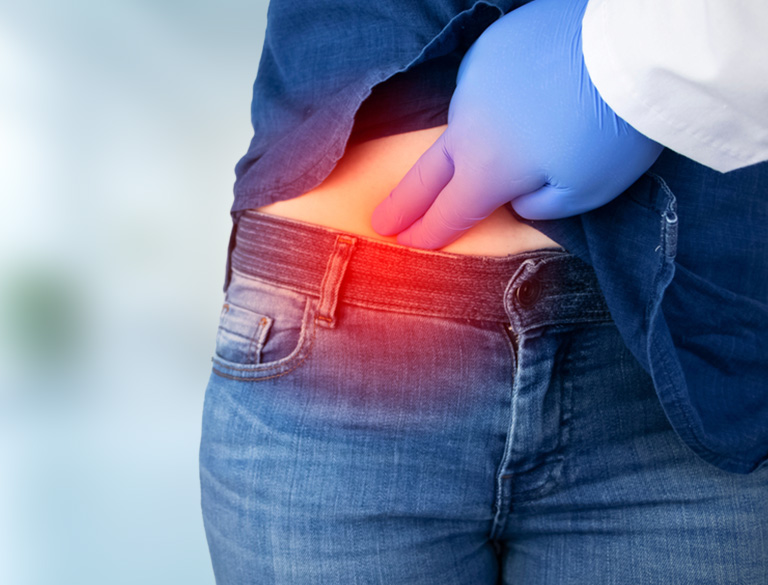
Sudden, acute pain in lower right abdomen

Shifting pain from the belly button to the lower right bell

Nausea/ vomiting

Loss of appetite

Bloating/ gas

Constipation/ diarrhoea

When to See a Doctor for Acute Appendicitis?

If you notice any of these warning signs, you must seek immediate medical help:

Treatment Approach

Dr. Rajiv Grover’s Treatment Approach for Acute Appendicitis

Dr. Rajiv Grover, a highly respected gastroenterologist in the Ludhiana region, focuses on accurate diagnosis and rapid interventions to prevent long-term complications.

Initial Consultation

In the first, deep-dive consultation, the doctor gathers information about your pain, other symptoms, and medical history through a two-way conversation, followed by a physical examination.

Advanced Diagnosis

The doctor leverages one or more of the following tests to confirm the diagnosis.

Tailored Treatment

Acute appendicitis is treated as a medical emergency and the treatment involves both surgery and medication. Depending on the need, an appendectomy or laparoscopic surgery is recommended within 24 hours of the diagnosis as the appendix can rupture within 36 hours of the symptoms. If the appendix has already ruptured, specialized drainage of the abscess may be performed before or during the removal.

Risks & Complications

What Happens If You Leave Acute Appendicitis Untreated?

Untreated acute appendicitis can cause life-threatening complications like:

Ischemia & necrosis

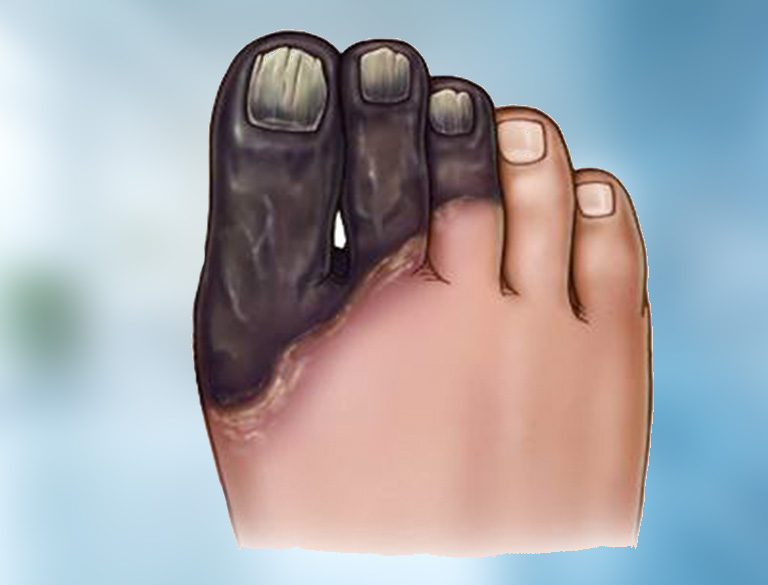
Gangrene

Perforation & abscess

Septic shock

Why Choose Us?

The Grover Edge

01

World-Class Medical Protocols

Dr. Rajiv Grover adopts international standards of care modelled after leading medical institutes to ensure lasting relief.

02

Science-Backed Methodology

Each treatment plan is evidence-based and rooted in the latest clinical research for improved patient outcomes.

03

Ethical, Compassionate Approach

Our approach incorporates two-way communication, empathy & transparency for improved patient experiences.

04

Advanced Techniques & Treatments

We leverage the latest best practices, advanced techniques and high-end technology for greater accuracy & comfort.

Frequently Asked Questions

Acute appendicitis refers to the sudden, severe inflammation of the appendix (a small, tube-shaped organ that sticks out on the lower right side of the colon). It can cause sudden, intense pain in the lower right abdomen. It is common among teenagers and young adults. While its exact function is still debated, an inflamed appendix becomes a high-priority medical emergency.

The inflammation of the appendix is usually triggered when the opening of the appendix becomes blocked by stool, a foreign object, or an infection. This blockage causes the appendix to swell with mucus and burst. If not treated quickly, the internal pressure can cut off blood flow, causing the tissue to die and the appendix to burst (perforate). A burst appendix spills infectious material into the abdominal cavity, which can lead to life-threatening complications.

While some very mild cases are managed with antibiotics, surgery (appendectomy) remains the standard of care. Because it is impossible to predict if or when an appendix will burst, removing it is the only way to permanently eliminate the risk of a life-threatening rupture.

The risk of rupture increases significantly after 24 to 36 hours from the start of symptoms. This is why Dr. Rajiv Grover, a leading GI specialist in Ludhiana, emphasizes immediate consultation at the first sign of shifting abdominal pain.

Most patients can go home within 24 hours of a laparoscopic appendectomy and return to light activities within a few days. This is much faster than the weeks required for traditional open surgery.

No. There are no known long-term digestive or health consequences to living without an appendix. Your body will continue to process food and nutrients normally.

Acute appendicitis is treated as a medical emergency and the treatment involves both surgery and medication. Depending on the need, an appendectomy or laparoscopic surgery is recommended within 24 hours of the diagnosis as the appendix can rupture within 36 hours of the symptoms. If the appendix has already ruptured, specialized drainage of the abscess may be performed before or during the removal.

Gallbladder Cancer

Gallbladder Cancer

Consult Dr. Rajiv Grover, one of the best hepatologists in Ludhiana, for proactive risk profiling and specialized management of gallbladder cancer.

What is Gall Bladder Cancer?

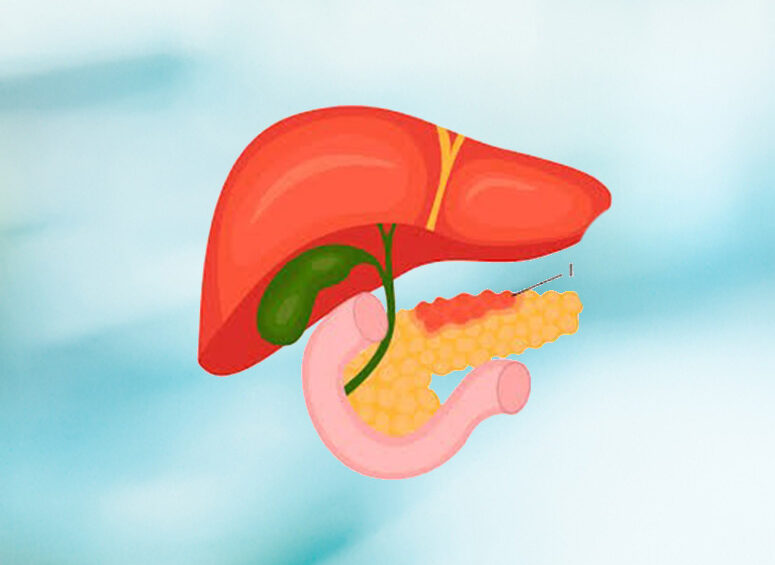
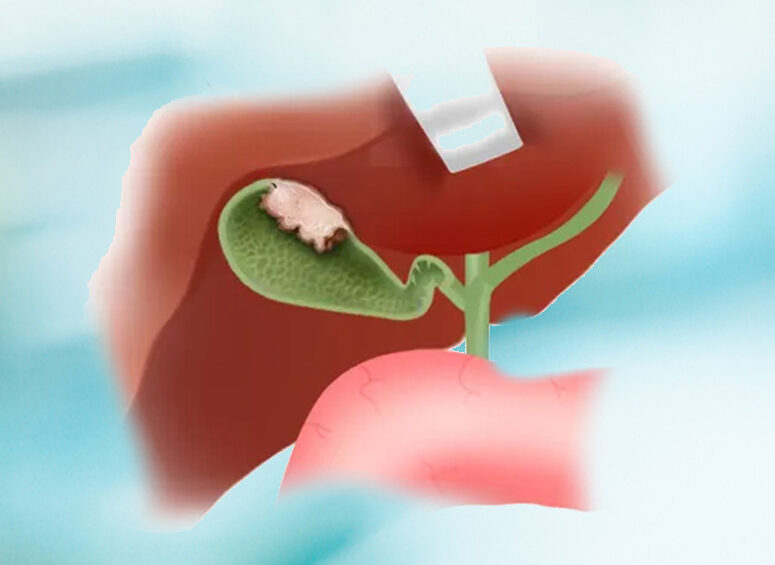
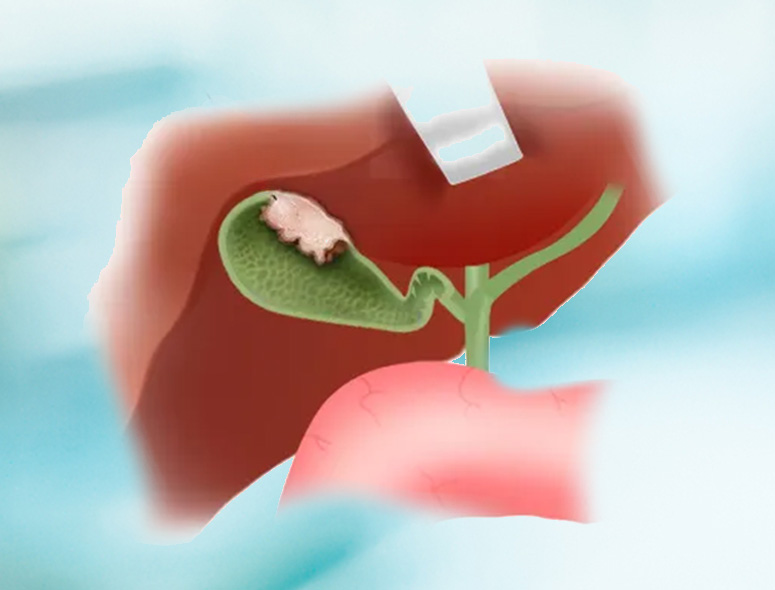
Gallbladder cancer is a rare-yet-aggressive type of hepatobiliary cancer wherein cancerous cells begin growing in the innermost lining of the gallbladder and multiply, spreading outwards. The gallbladder is a pear-shaped organ in the upper right abdomen, responsible for storing and delivering bile (fluid secreted by the liver for the digestion of food fats).

This aggressive type of hepatobiliary cancer is a silent malignancy that rarely shows symptoms in the early stages. In many cases, a healthcare provider finds it accidently during surgery for gallstones or the cancer has significantly progressed to advanced stages. As a result, these cancers are often diagnosed in late stages when the prognosis is poor. Proactive risk profiling, early screening, and expert interventions are critical to catching the malignancies when they are still in treatable stages and improve life expectancy.

Symptoms of Gall Bladder Cancer

Gallbladder cancer may not show any symptoms in the early stages; symptoms start appearing only when the disease has progressed. If you notice any of these red flag symptoms, you must consult your hepatologist immediately.

Belly pain in the upper right part

Bloating

Unexplained/ sudden weight loss

Jaundice

Feeling a mass through the skin

Nausea/ vomiting

Note: Proactive risk profiling, early screening, and early interventions are critical to stop gallbladder cancers from progressing.

Treatment Approach

Dr. Rajiv Grover’s Treatment Approach for Pancreatic, Gall Bladder and Liver Cancers

Dr. Rajiv Grover, a highly respected liver specialist in the Ludhiana region, leverages a specialized approach for the management of gallbladder cancers and malignancies. He focuses on proactive risk profiling and early screenings to catch malignancies in their most treatable stages and advanced therapeutic interventions to control disease progression and improve life expectancy.

Initial Consultation

In the first, deep-dive consultation, the doctor gathers information about your medical history, lifestyle, and symptoms through a two-way conversation, followed by a physical examination to look for visible signs of the disease.

Advanced Diagnosis

The doctor leverages one or more of the following tests to diagnose and stage the cancer.

Tailored Treatment

The doctor develops an individualized treatment plan based on the stage and location of the tumour.

Risks & Complications

What Happens If You Leave Gall Bladder Cancer Untreated?

The consequence of untreated gallbladder cancer is terminal. They reduce life expectancy significantly through:

Aggressive disease progression

Liver failure & metastasis

Biliary infection & obstructions

Multiple organ failure

Why Choose Us?

The Grover Edge

01

World-Class Medical Protocols

Dr. Rajiv Grover adopts international standards of care modelled after leading medical institutes to ensure lasting relief.

02

Science-Backed Methodology

Each treatment plan is evidence-based and rooted in the latest clinical research for improved patient outcomes.

03

Ethical, Compassionate Approach

Our approach incorporates two-way communication, empathy & transparency for improved patient experiences.

04

Advanced Techniques & Treatments

We leverage the latest best practices, advanced techniques and high-end technology for greater accuracy & comfort.

Frequently Asked Questions

The gallbladder is a small organ hidden behind the liver. Symptoms often mimic common gallstones, which is why Dr. Rajiv Grover, a well-respected digestive disorder specialist in Ludhiana, recommends a thorough evaluation of any persistent gallbladder pain to ensure early detection.

Gallbladder cancer is considered aggressive. It can spread quickly from the thin innermost lining of the gallbladder to the outer layers and then directly into the liver. This is why watchful waiting is rarely recommended for suspicious gallbladder masses.

While not all cases are preventable, managing chronic inflammation is key. The timely removal of symptomatic gallstones and intervention for a porcelain gallbladder (where the walls become calcified) significantly lowers your risk. Proactive risk profiling and early detection through regular screenings is the most effective way to find and stop these cancers from progressing.

Survival rates are highly dependent on the stage at diagnosis. Gallbladder cancers are hard to treat when they have progressed into the symptomatic stage. If they are proactively screened for and identified in the early, treatable stages, it is possible to treat the cancers and improve the patient’s survival rate.

No. Biopsies for gallbladder cancers are performed during endoscopy while you are under sedation using non-invasive, advanced techniques like Endoscopic Ultrasound (EUS). You will not have any external incisions or feel the sample being taken.

Dr. Rajiv Grover, a highly respected liver and pancreas specialist in the Ludhiana region, leverages a specialized approach for the management of gallbladder cancers and malignancies. He focuses on proactive risk profiling and early screenings to catch malignancies in their most treatable stages and advanced therapeutic interventions to control disease progression and improve life expectancy. 

The doctor leverages advanced diagnostic tests to diagnose and stage the cancer. He develops an individualized treatment plan using a combination of:

  • Surgery
  • Targeted drug therapy
  • Chemotherapy
  • Radiation therapy
  • Immunotherapy
  • Palliative care

Pancreatic Cancer

Pancreatic Cancer

Consult Dr. Rajiv Grover, one of the most trusted pancreas and liver specialists in Ludhiana, for proactive risk profiling and specialized management of pancreatic cancer.

What is Pancreatic Cancer?

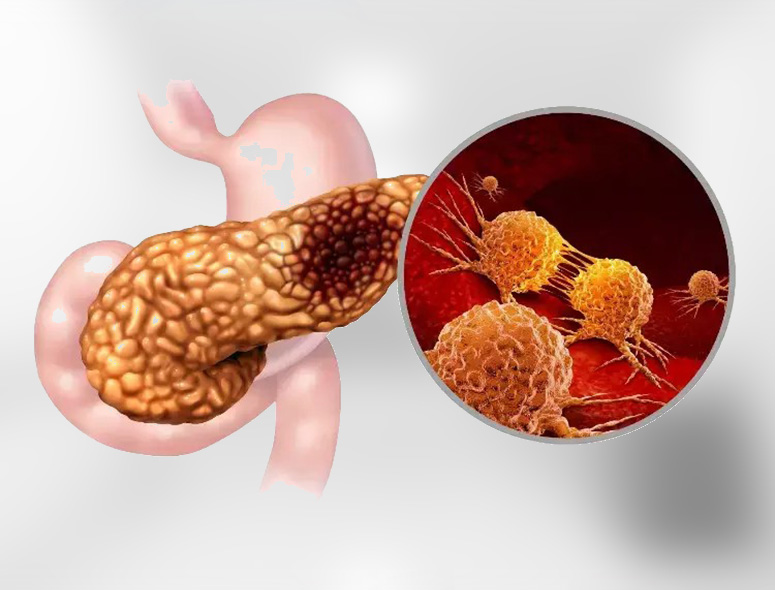
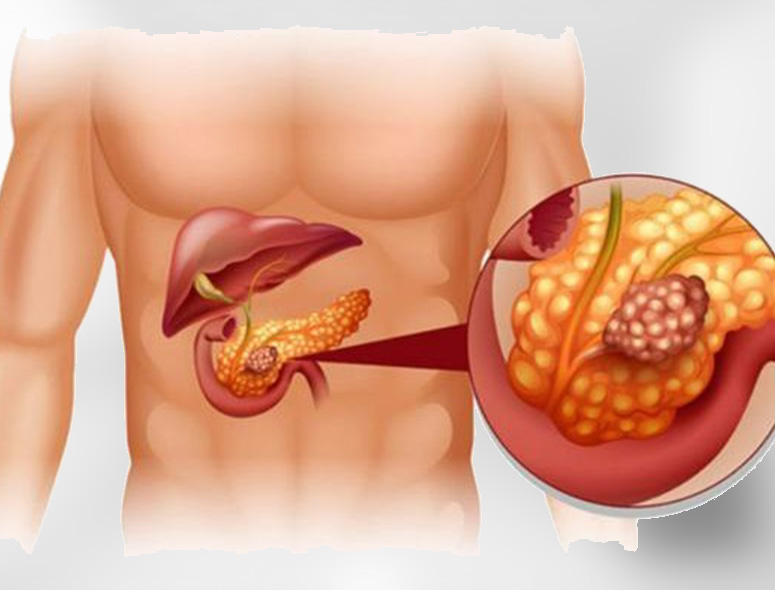
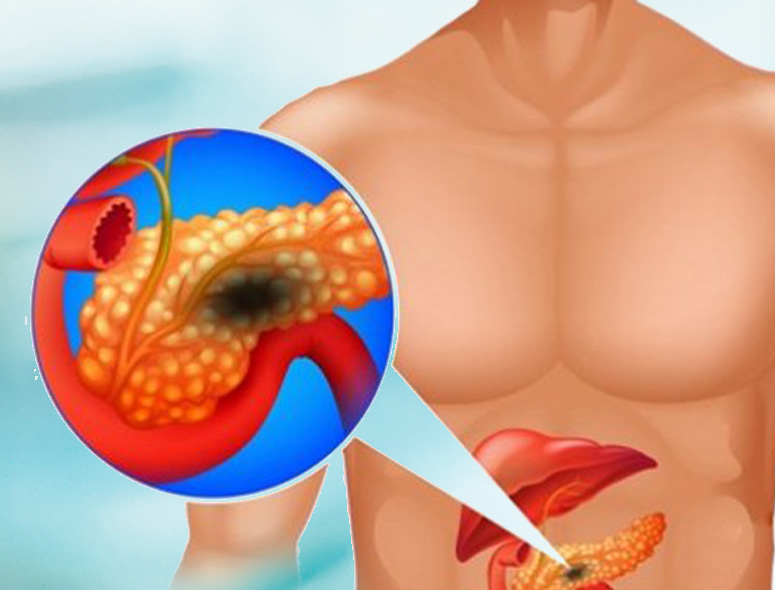
Pancreatic cancer refers to the uncontrollable growth and multiplication of cancerous cells in the pancreas. It is an aggressive hepatobiliary malignancy that doesn’t show symptoms until it has progressed to advanced stages.

Because the pancreas is located deep within the abdomen, tumours are rarely felt during a routine physical exam. Most cases are diagnosed in advanced stages once symptoms appear. This makes proactive risk profiling for high-risk individuals (those with chronic pancreatitis, family history of the disease, or sudden onset of diabetes) a clinical necessity. Early screening and expert interventions are critical to catching pancreatic malignancies while they are still in treatable stages and improve life expectancy.

Symptoms of Pancreatic Cancer

Pancreatic cancer may not show any symptoms in the early stages; symptoms start appearing only when the disease has progressed. If you notice any of these red flag symptoms, you must consult your hepatologist immediately.

Belly pain that spreads to the sides and back

Loss of appetite & unexplained weight loss

Jaundice/ itching

New diabetes diagnosis/ uncontrollable diabetes

Dark urine/ pale or floating stools

Pain/ swelling in an arm or leg

Note: Proactive risk profiling, early screening, and early interventions are critical to stop these hepatobiliary cancers from progressing.

Treatment Approach

Dr. Rajiv Grover’s Treatment Approach for Pancreatic Cancer

Dr. Rajiv Grover, a highly respected gastroenterologist in the Ludhiana region, leverages a specialized approach for the management of pancreatic cancers and malignancies. He focuses on proactive risk profiling and early screenings to catch malignancies in their most treatable stages and advanced therapeutic interventions to control disease progression and improve life expectancy.

Initial Consultation

In the first, deep-dive consultation, the doctor gathers information about your medical history, lifestyle, and symptoms through a two-way conversation, followed by a physical examination to look for visible signs of the disease.

Advanced Diagnosis

The doctor leverages one or more of the following tests to diagnose and stage the cancer.

Tailored Treatment

The doctor develops an individualized treatment plan based on the stage and location of the tumour.

Risks & Complications

What Happens If You Leave Pancreatic Cancer Untreated?

The consequence of untreated pancreatic cancer is terminal. They reduce life expectancy significantly through:

Aggressive disease progression

Metabolic collapse from liver/ pancreatic failure

Biliary infection & obstructions

Multiple organ failure

Why Choose Us?

The Grover Edge

01

World-Class Medical Protocols

Dr. Rajiv Grover adopts international standards of care modelled after leading medical institutes to ensure lasting relief.

02

Science-Backed Methodology

Each treatment plan is evidence-based and rooted in the latest clinical research for improved patient outcomes.

03

Ethical, Compassionate Approach

Our approach incorporates two-way communication, empathy & transparency for improved patient experiences.

04

Advanced Techniques & Treatments

We leverage the latest best practices, advanced techniques and high-end technology for greater accuracy & comfort.

Frequently Asked Questions

Yes. In some cases, a sudden onset of Type 2 diabetes in an adult with no family history or obesity can be an early warning sign that a tumour is affecting the insulin-producing cells of the pancreas.

While not all cases are preventable, many risk factors can be managed to significantly lower your chances of developing these malignancies:

  • Maintaining a healthy weight
  • Managing blood sugar (Diabetes)
  • Quitting smoking

Proactive risk profiling and early detection through regular screenings is the most effective way to find and stop these cancers from progressing.

Survival rates are highly dependent on the stage at diagnosis. Pancreatic cancers are hard to treat when they have progressed into the symptomatic stage. If they are proactively screened for and identified in the early, treatable stages, it is possible to treat the cancers and improve the patient’s survival rate.

No. Biopsies for pancreatic cancers are performed during endoscopy while you are under sedation using non-invasive, advanced techniques like Endoscopic Ultrasound (EUS). You will not have any external incisions or feel the sample being taken.

While a routine check-up relies on a physical exam and general blood work, proactive screening for pancreatic cancer is a specialized protocol reserved for high-risk individuals. Because the pancreas is located deep in the abdomen, standard physical exams cannot detect early tumours.

Dr. Rajiv Grover, a leading endoscopy specialist in Ludhiana, proactively screens for malignancies using high-definition imaging, specifically Endoscopic Ultrasound (EUS) or MRI, to look for tiny, asymptomatic changes or pre-cancerous cysts. He typically recommends this targeted approach for patients with a family history of the disease, specific genetic markers (like BRCA mutations), or those managing chronic pancreatitis, as it is the only reliable way to catch malignancies in their most treatable stages.

Dr. Rajiv Grover, a highly respected liver and pancreas specialist in the Ludhiana region, leverages a specialized approach for the management of pancreatic cancers and malignancies. He focuses on proactive risk profiling and early screenings to catch malignancies in their most treatable stages and advanced therapeutic interventions to control disease progression and improve life expectancy.

The doctor leverages advanced diagnostic tests to diagnose and stage the cancer. He develops an individualized treatment plan using a combination of:

  • Pancreatic surgery
  • Targeted drug therapy
  • Chemotherapy
  • Radiation therapy
  • Immunotherapy
  • Nutritional support
  • Palliative care