
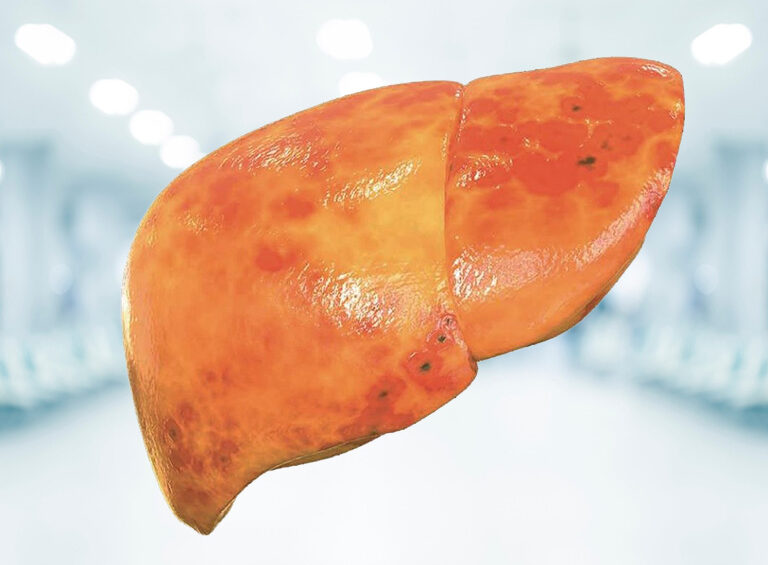
Fatty Liver

Fatty Liver

Consult Dr. Rajiv Grover, a distinguished digestive and liver specialist in Ludhiana, for multidimensional, patient-focused management of alcoholic and non-alcoholic fatty liver.
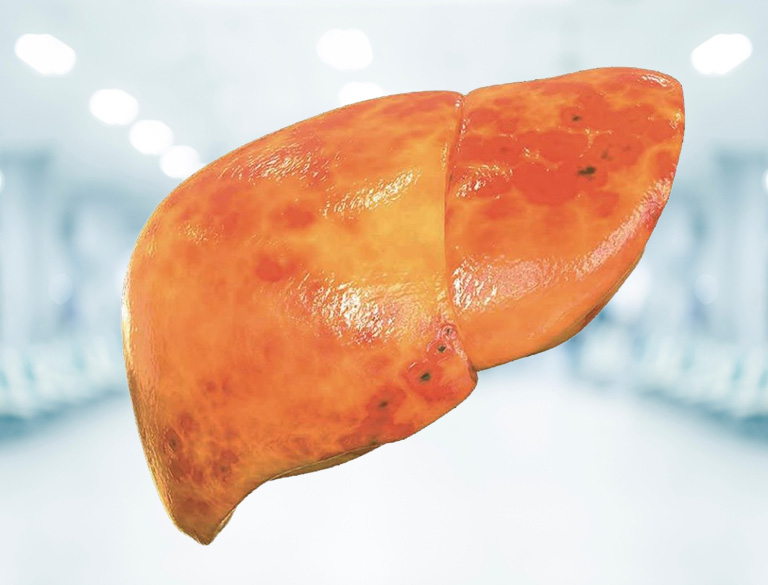
What is Fatty Liver?

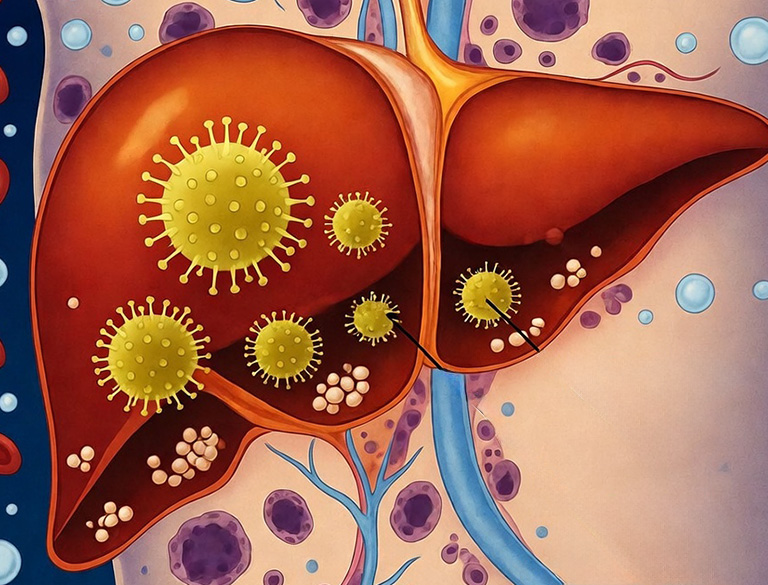
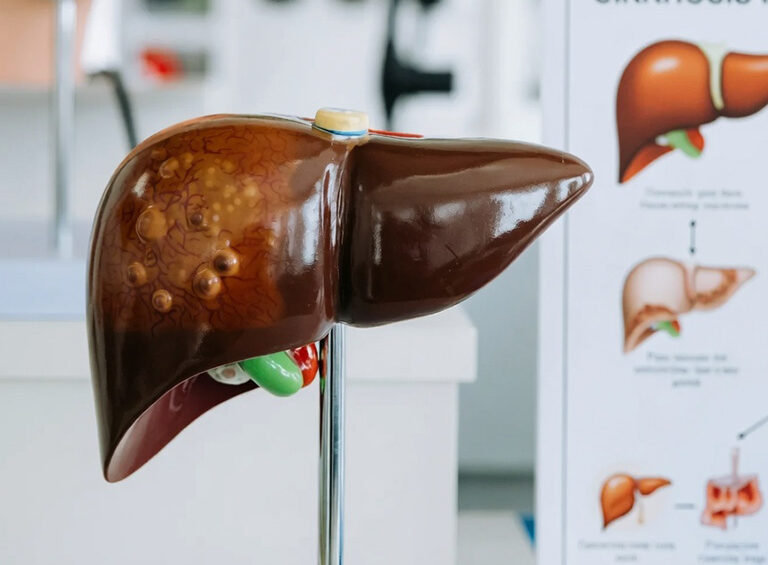
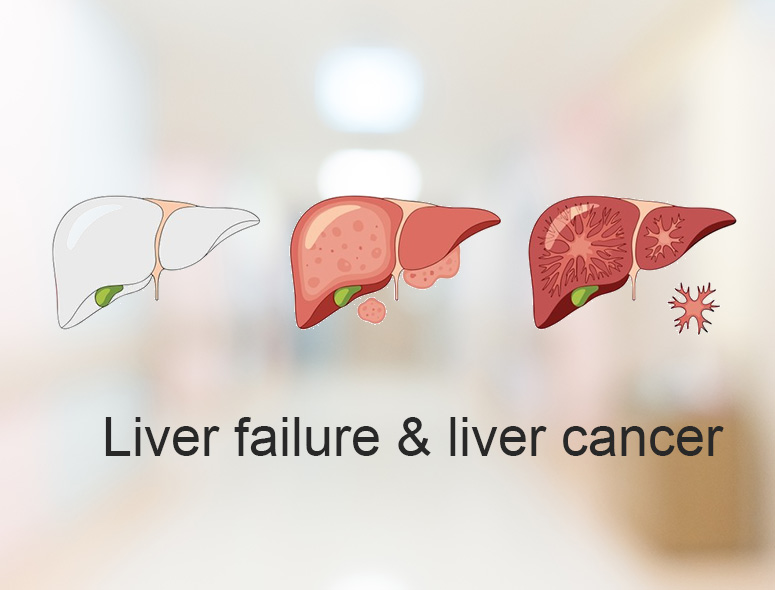
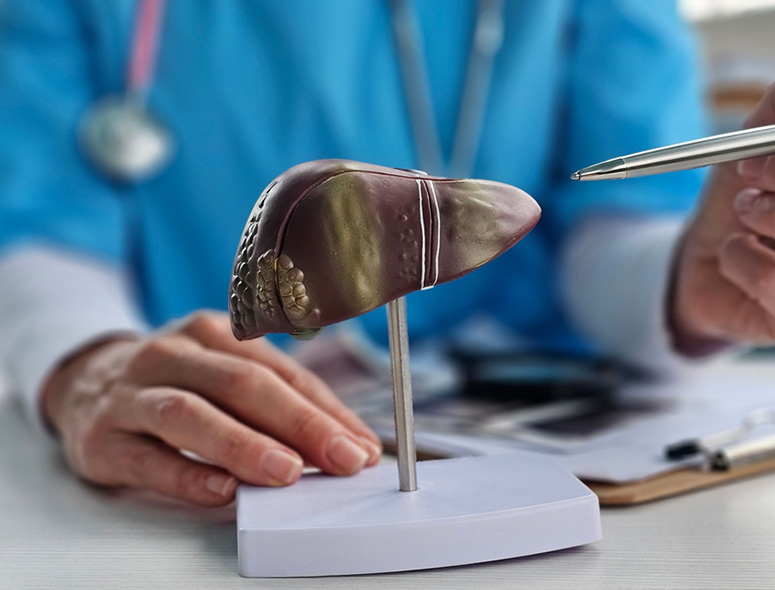
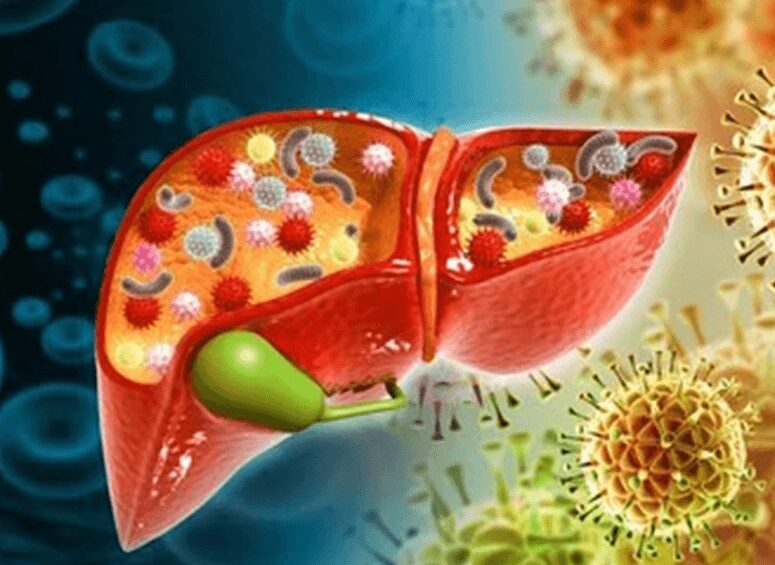
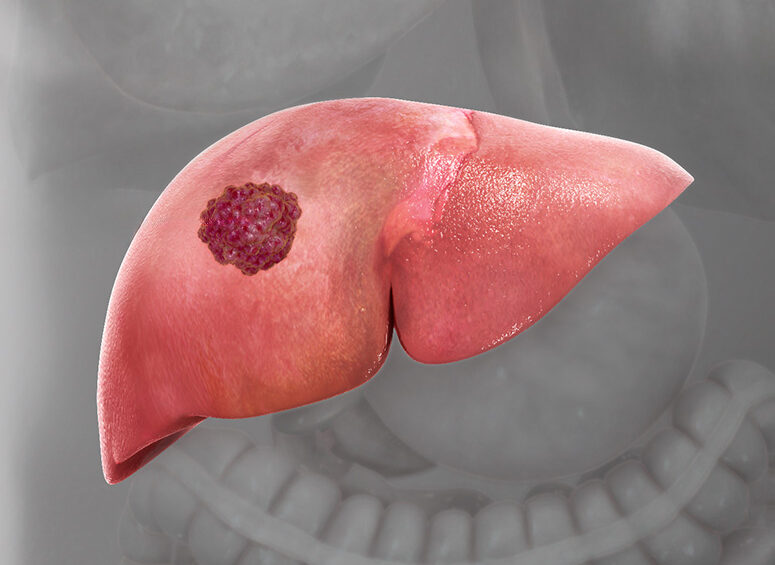
Fatty liver occurs when excess fat builds up in the liver cells. When this fat build up exceeds 5-10% of the liver weight, it is clinically classified as Steatotic Liver Disease (SLD) (formerly called Fatty Liver Disease). While the early stages may be silent and asymptomatic, untreated fat buildup carries a high risk of chronic inflammation, permanent scarring, and liver failure. The three common types of Fatty Liver Disease are:

  • Metabolic Dysfunction-Associated Steatotic Liver Disease (MASLD) (formerly NAFLD) is the most common form of liver disease globally, caused by cardio-metabolic risks like obesity, type 2 diabetes, high BP, or lipid abnormalities.
  • Metabolic Dysfunction-Associated Steatohepatitis (MASH) is the progressive stage of MASLD where the fat accumulation causes the liver to swell (inflammation) and become severely damaged. MASH increases the risk of serious scarring (cirrhosis) and liver cancer.
  • Alcohol-related Liver Disease (ALD) caused by heavy alcohol consumption and leading to rapid fat accumulation and inflammation.

The Good News: With early diagnosis and disciplined lifestyle modifications, it is possible to reverse fatty liver before it progresses into more serious stages.

Symptoms of Fatty Liver

Fatty Liver Disease, in its early stages, is often asymptomatic and is often found only during routine blood tests or ultrasounds. As the disease progresses, symptoms may start to present themselves. 

Dull pain in the upper right abdomen

Extreme exhaustion/ fatigue

Nausea, loss of appetite

Intense skin itching

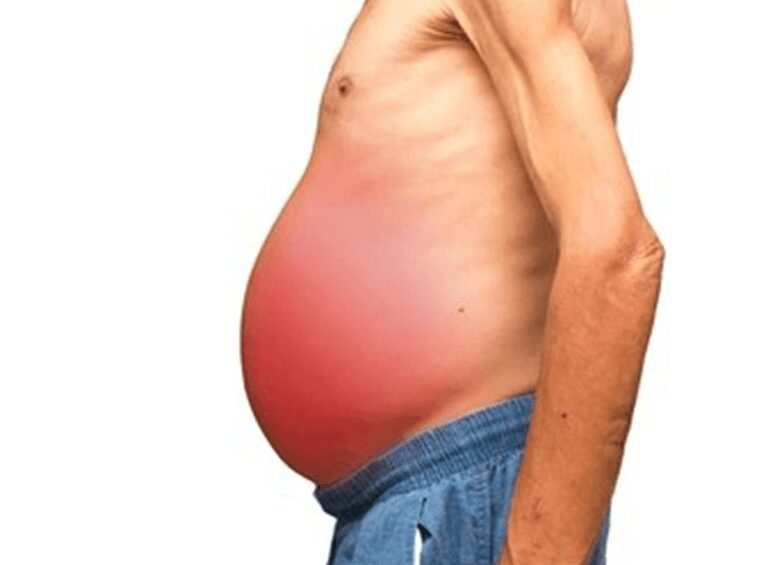
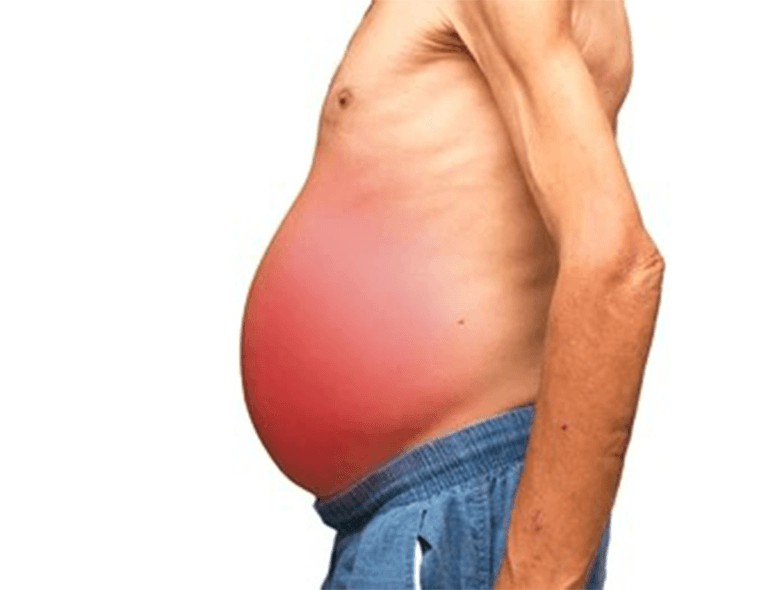
Swelling/ fluid buildup in the abdomen (ascites)

Swelling in the legs, hands or feet (edema)

When to See a Doctor for Fatty Liver?

If you notice any of the symptoms, you should consult a liver specialist and get yourself checked as early screening and treatment is a lifesaver. However, if you notice these warning signs, you must immediately visit a specialist like Dr. Rajiv Grover.

Note: If you have any cardio-metabolic disorders like hypertension, obesity, insulin resistance, type 2 diabetes or dislipidemia, it is advisable to get regular liver screening.
Treatment Approach

Dr. Rajiv Grover’s Treatment Approach for Fatty Liver

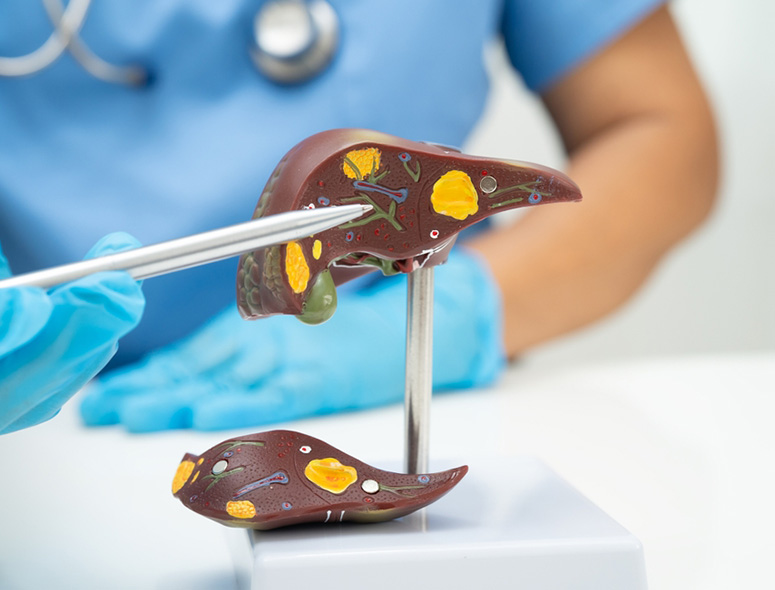
Dr. Rajiv Grover, a highly experienced liver specialist in Ludhiana, leverages a multidimensional, patient-focused approach for the management of fatty liver disease. His focus is on early screening and interventions, precision-led identification and management of the root cause, and disciplined lifestyle modification to prevent disease progression and long-term liver function protection.

Initial Consultation

In the first, deep-dive consultation, the doctor gathers information about your medical history, condition, lifestyle, and symptoms through a two-way conversation, followed by a physical examination to check for signs of enlarged liver and jaundice. If you have any previous blood or liver function tests or ultrasounds, the doctor will review those as well.

Advanced Diagnosis

The doctor uses one or more tests to identify the root causes, rule out other liver diseases, and stage the liver damage:

Tailored Treatment

Fatty liver disease does not have any direct medication or treatment. The focus of hepatologists like Dr. Rajiv Grover is to manage the root causes and metabolic risk factors. An individualized plan may include:

Risks & Complications

What Happens If You Leave Fatty Liver Untreated?

If Fatty Liver Disease is not screened and treated early, it progresses to more severe, life-threatening stages. 
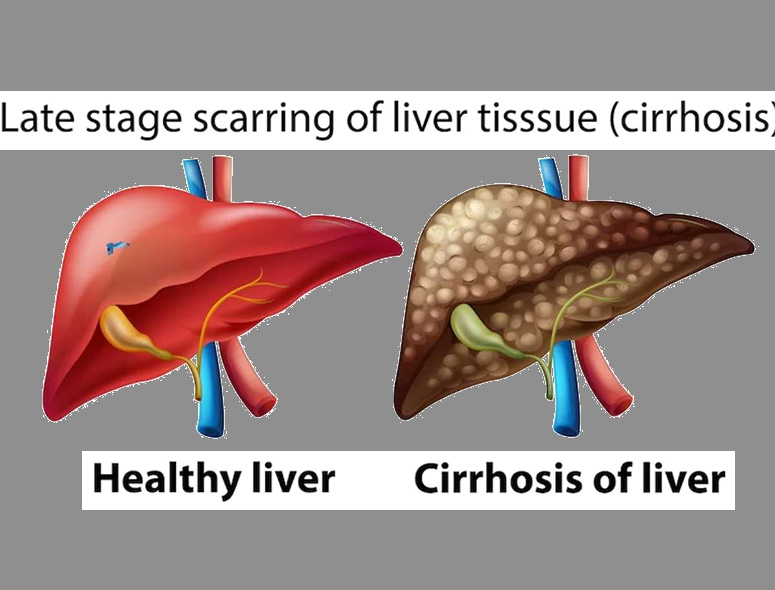
Advanced liver cirrhosis
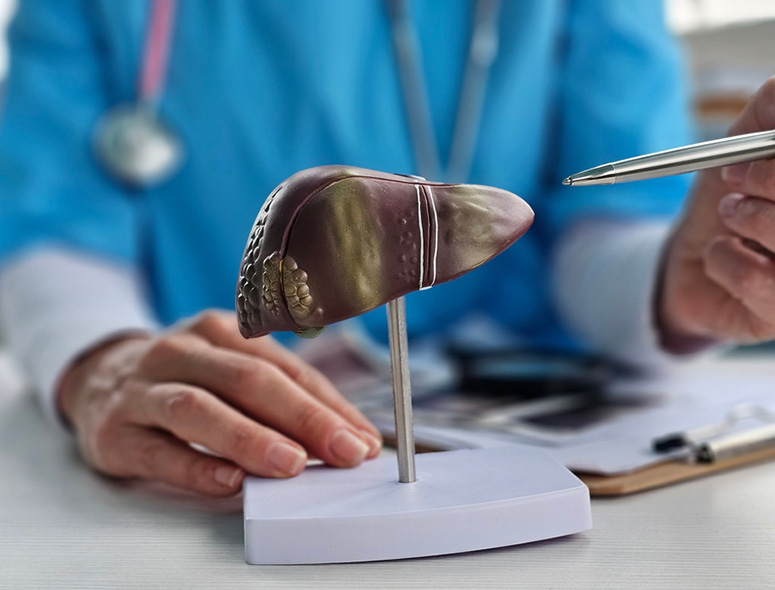
Liver failure
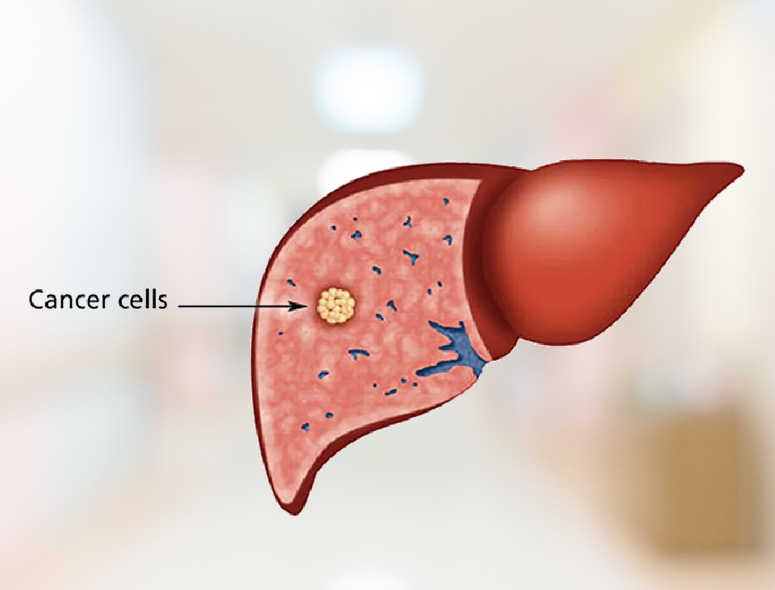
Liver cancer
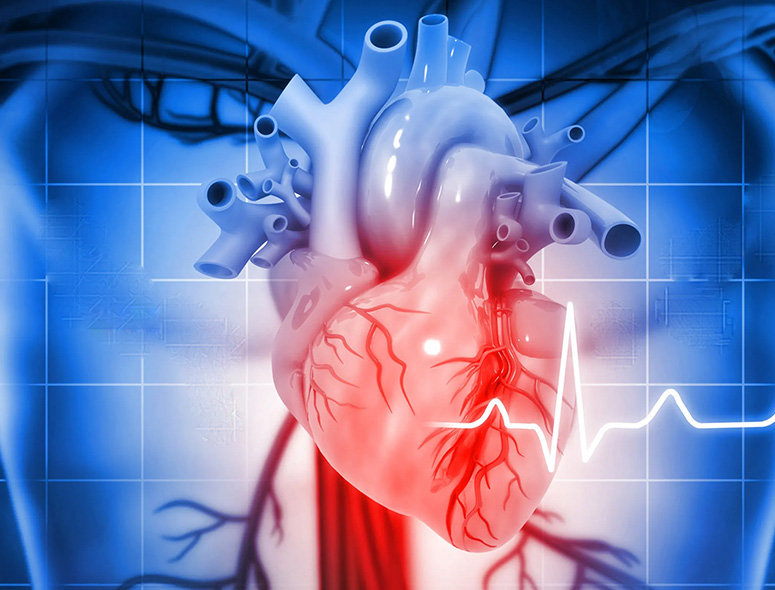
Increased cardiovascular risks

Why Choose Us?

The Grover Edge

01

World-Class Medical Protocols

Dr. Rajiv Grover adopts international standards of care modelled after leading medical institutes to ensure lasting relief.

02

Science-Backed Methodology

Each treatment plan is evidence-based and rooted in the latest clinical research for improved patient outcomes.
03

Ethical, Compassionate Approach

Our approach incorporates two-way communication, empathy & transparency for improved patient experiences.

04

Advanced Techniques & Treatments

We leverage the latest best practices, advanced techniques and high-end technology for greater accuracy & comfort.

Frequently Asked Questions

The causes vary based on the type of fatty liver disease you have.

  • Metabolic Dysfunction-Associated Steatotic Liver Disease (MASLD) (formerly NAFLD) is the most common form of liver disease globally, caused by cardio-metabolic risks like obesity, type 2 diabetes, high BP, or lipid abnormalities.
  • Metabolic Dysfunction-Associated Steatohepatitis (MASH) is the progressive stage of MASLD where the fat accumulation causes the liver to swell (inflammation) and become severely damaged. MASH increases the risk of serious scarring (cirrhosis) and liver cancer.

Alcohol-related Liver Disease (ALD) caused by heavy alcohol consumption and leading to rapid fat accumulation and inflammation.

Yes, it is possible to prevent and even reverse/ cure fatty liver if it is identified in the early stages. Unlike many other organ diseases, the liver has a remarkable ability to repair itself. If MASLD is caught before significant scarring (Cirrhosis) occurs, targeted weight loss of 10%, effective management of cardio-metabolic health, complete alcohol avoidance, and strict lifestyle changes can often return the liver to a healthy, fat-free state.

To prevent fatty liver disease:

  • Maintain your cardio-metabolic health
  • Get regular liver screenings if you have cardio-metabolic disorders like type 2 diabetes, dyslipidemia, hypertension or obesity.
  • Eat a balanced, nourishing diet; limit sugars
  • Exercise regularly and maintain an active lifestyle
  • Limit your alcohol consumption
  • Maintain a healthy weight

In its early stage of simple fatty liver, it may not be immediately dangerous, but it is a major warning sign that one should not ignore. If it progresses to the steatohepatitis stage, the resulting inflammation can lead to permanent scarring (Cirrhosis) and eventually liver failure or cancer.

Dr. Rajiv Grover, a highly experienced fatty liver specialist in Ludhiana, leverages a multidimensional, patient-focused approach for the management of SLD. He leverages blood work, liver function and liver enzyme tests, imaging, FibroScan, and liver biopsy (if test results are unclear) for the precision-led diagnosis of SLD and staging of the damage.

Fatty liver disease does not have any direct medication or treatment. The focus of hepatologists like Dr. Rajiv Grover is to manage the risk factors and root causes, as well as, making disciplined lifestyle and dietary shifts. An individualized treatment plan for fatty liver typically includes:

  • Complete alcohol avoidance
  • Targeted, sustainable weight loss of 10%
  • Bariatric surgery where traditional weight loss isn’t possible
  • Active lifestyle
  • Nutrition optimization
  • Management of cardio-metabolic risks
  • Vaccination for Hepatitis A & B
  • Medications for moderate liver scarring

Yes, it is absolutely possible to get fatty liver even if you don’t consume alcohol. If you have cardio-metabolic disorders (or at a risk of these), you are likely to develop Metabolic Dysfunction-Associated Steatotic Liver Disease (MASLD) (formerly NAFLD) or Metabolic Dysfunction-Associated Steatohepatitis (MASH), a progressive stage of MASLD.

MASLD and MASH are is caused by the body’s inability to process fats and sugars properly, often due to insulin resistance, a sedentary lifestyle, or a diet high in processed foods. It is now the most common cause of liver disease in non-drinkers.

Yes. Thin people can also get fatty liver called lean MASLD. Even if your BMI is normal, there are certain factors which put you at a high risk of developing fatty liver disease:

  • Visceral fat that grows around internal organs
  • Excessive alcohol consumption
  • Genetic predisposition
  • Having cardio-metabolic conditions like
    • Type 2 diabetes
    • Hypertension
    • Dyslipidemia
    • PCOS/ PCOD
    • Thyroid disorders
    • Obstructive sleep apnea
  • Taking certain prescription medicines or steroids
Viral Hepatitis

Viral Hepatitis

Consult Dr. Rajiv Grover, a highly respected hepatologist in Ludhiana, for the advanced management of and long-term recovery from Hepatitis A, B, C, and E.

What is Viral Hepatitis?

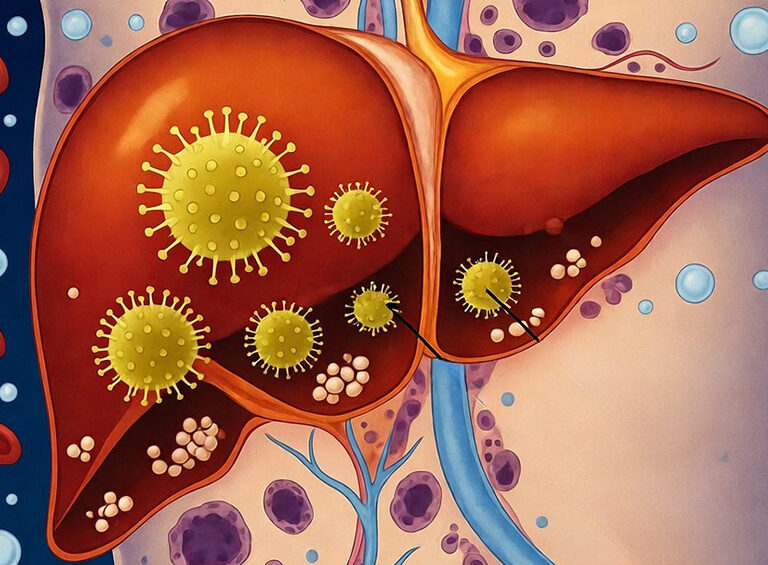
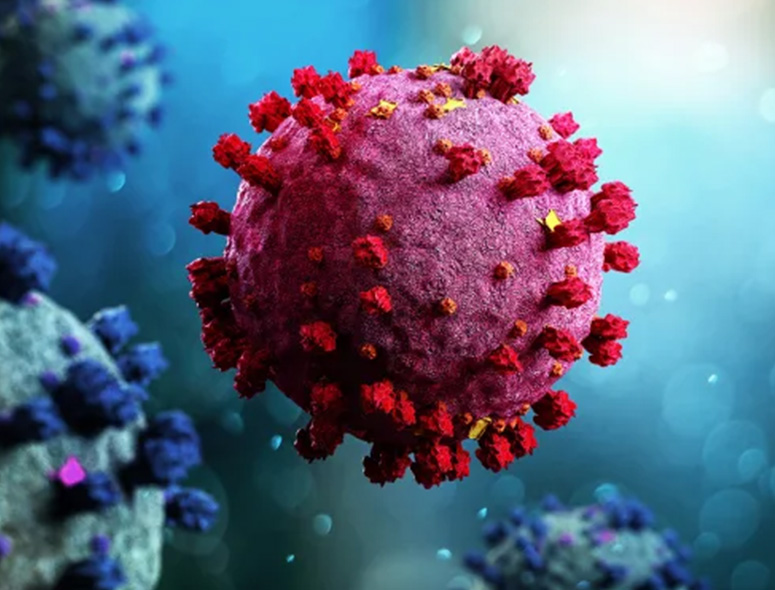
Viral Hepatitis is a highly contagious viral liver infection that causes inflammation and damage. Five types of viral hepatitis are known to mankind – A, B, C, D, E – each with different transmission routes (from contaminated food/ water to contact with infected blood/ bodily fluids) but shared symptoms. Depending on the virus type, the infection can be acute (short-term) or chronic (long-term).

Viral hepatitis is a serious public health concern affecting millions of Indians and a leading cause for acute live failure and fatalities. Due to the general lack of awareness and its asymptomatic nature, countless individuals don’t know they have the virus until it has progressed into significant liver scarring or chronic liver failure. Through immunization, early screenings, and specialized hepatological care, it is possible to prevent life-threatening consequences and restore liver health.

Symptoms of Viral Hepatitis

Often silent or asymptomatic, symptoms start to develop overtime as the condition progresses and the liver’s ability to filter toxins decreases. Common symptoms of the disease include:

Aching joints & unexplained fatigue

Loss of appetite/ Sudden nausea, vomiting & diarrhoea

Dark-coloured urine/ Pale or clay-coloured stool

Jaundice (Yellowing of eyes/ skin)

Stomach or abdominal pain

Low-grade fever

When to See a Doctor for Viral Hepatitis?

It is critical get immediate medical help if you notice any of the following warning signs.

Treatment Approach

Dr. Rajiv Grover’s Treatment Approach for Viral Hepatitis

Dr. Rajiv Grover, a highly experienced liver specialist in Ludhiana, leverages the latest global medical protocols for the advanced management of Hepatitis A, B, C & E. His patient-centric approach is focused on the suppression of the viral load, long-term recovery, and liver protection.

Initial Consultation

In the first, deep-dive consultation, the doctor gathers information about your medical history, symptoms, lifestyle, recent travels, exposure risks, and other relevant information through a two-way conversation, followed by a focused physical examination.

Advanced Diagnosis

The doctor utilizes one or more of the following tests to check for the signs of the type of Hepatitis virus, level of liver damage, and stage the condition.

Tailored Treatment

Depending upon the type of virus, stage of infection, and patient’s overall condition, Dr. Rajiv leverages a comprehensive, tailored approach to treat Viral Hepatitis. It may include a combination of:

Note: Hepatitis A and B can be prevented through vaccination. Hepatitis C is the only type with a cure.

Risks & Complications

What Happens If You Leave Viral Hepatitis Untreated?

Untreated viral hepatitis, particularly the chronic kind, has irreversible, life-threatening consequences.

Liver cirrhosis and failure

Liver cancer caused by persistent infection

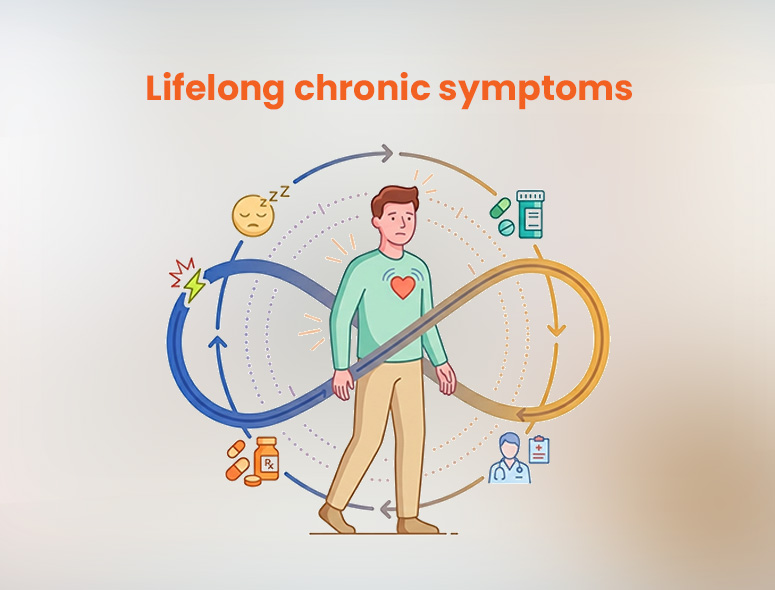
Lifelong chronic symptoms

Systemic complications like nerve damage & vitiligo

Why Choose Us?

The Grover Edge

01

World-Class Medical Protocols

Dr. Rajiv Grover adopts international standards of care modelled after leading medical institutes to ensure lasting relief.

02

Science-Backed Methodology

Each treatment plan is evidence-based and rooted in the latest clinical research for improved patient outcomes.

03

Ethical, Compassionate Approach

Our approach incorporates two-way communication, empathy & transparency for improved patient experiences.

04

Advanced Techniques & Treatments

We leverage the latest best practices, advanced techniques and high-end technology for greater accuracy & comfort.

Frequently Asked Questions

Different types of hepatitis viruses have different causes:

  • Hepatitis A is contracted upon consuming food or water that is contaminated by the HAV (Hepatitis A virus).  
  • Hepatitis B passes through infected blood, semen, or other bodily fluids due to sharing of needles, sexual contact, or from an infected mother to child.
  • Hepatitis C spread through infected blood, commonly via sharing of needles or syringes with an infected person.
  • Hepatitis D is only contracted by individuals who have HBV as HDV requires HBV to survive and spread.

Hepatitis E spreads through the consumption of fecal-contaminated food/ water or undercooked meat.
Only Hepatitis C has a definitive cure at present – the modern ‘direct-acting antivirals’ for HCV can achieve complete viral clearance in most patients. While Hepatitis A and B are not curable, they can be prevented through vaccination.
However, viral hepatitis can be fatal if it not diagnosed and treated in a timely manner. While Hepatitis A is usually self-limited, other types can turn chronic, causing irreversible liver damage, cirrhosis, acute liver failure, and even liver cancer if left untreated.

Vaccines are currently available and highly effective for Hepatitis A and B. While there is no vaccine for Hepatitis C, it is highly treatable and curable with medication. Dr. Rajiv Grover offers immunization programs for at-risk individuals and their families in the region.

Dr. Rajiv Grover, one of the best hepatologists in the Ludhiana region, leverages the latest global medical protocols for the advanced management of Hepatitis A, B, C & E. His patient-centric approach is focused on the suppression of the viral load, long-term recovery, and protecting liver function.

He utilizes one or more of the following tests to check for the signs of the type of Hepatitis virus, level of liver damage, and stage the condition.

  • Blood test & viral load testing
  • Liver function tests
  • Non-invasive FibroScan
  • Liver Biopsy for complex cases

Depending upon the type of virus, stage of infection, and patient’s overall condition, Dr. Rajiv leverages a comprehensive, tailored approach to treat Viral Hepatitis. It may include a combination of:

  • Rest, professional hydration, and symptom management for Hepatitis A & E, focused on helping the liver recover naturally.
  • Antiviral medications for Hepatitis B & C to suppress the virus and prevent complications.
  • Symptom management for acute conditions through IV fluids, pain medication & specialized IV nutrition
  • Long-term, rigorous monitoring to prevent progression to liver cancer & cirrhosis
  • Disciplined lifestyle changes including alcohol avoidance and smoking cessation
  • Liver transplantation in severe cases of liver damage or complete failure.

Often silent or asymptomatic, viral hepatitis symptoms start to develop overtime as the condition progresses and the liver’s ability to filter toxins decreases. Common, early symptoms of the disease include:

  • Aching joints & unexplained fatigue
  • Loss of appetite/ Sudden nausea, vomiting & diarrhoea
  • Dark-coloured urine/ Pale or clay-coloured stool
  • Jaundice (Yellowing of eyes/ skin)
  • Stomach or abdominal pain
  • Low-grade fever

If you suspect you have been exposed to the Hepatitis virus through any means, you should immediately consult a liver specialist and get yourself screened and treated before it causes permanent damage.

A FibroScan is a non-invasive, painless test using the ultrasound technology to measure liver stiffness and scarring (fibrosis) in minutes. Unlike a traditional biopsy, it requires no needles, anaesthesia or downtime, making it an excellent tool for regular liver health monitoring.  Dr. Rajiv Grover, a leading Hepatitis specialist in Ludhiana, leverages Liver FibroScan for the rigorous long-term monitoring of liver health in patients with chronic infections and reserves biopsies only when absolutely necessary for the most complex cases.

Cirrhosis

Cirrhosis

Consult Dr. Rajiv Grover, a distinguished gastroenterologist and hepatologist in Ludhiana, for stabilizing liver health and preventing complications of Liver Cirrhosis.

What is Cirrhosis?

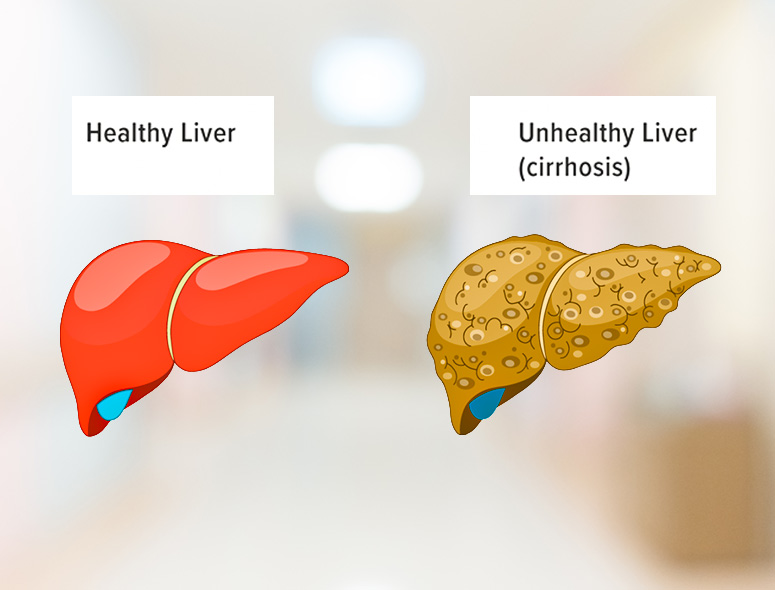
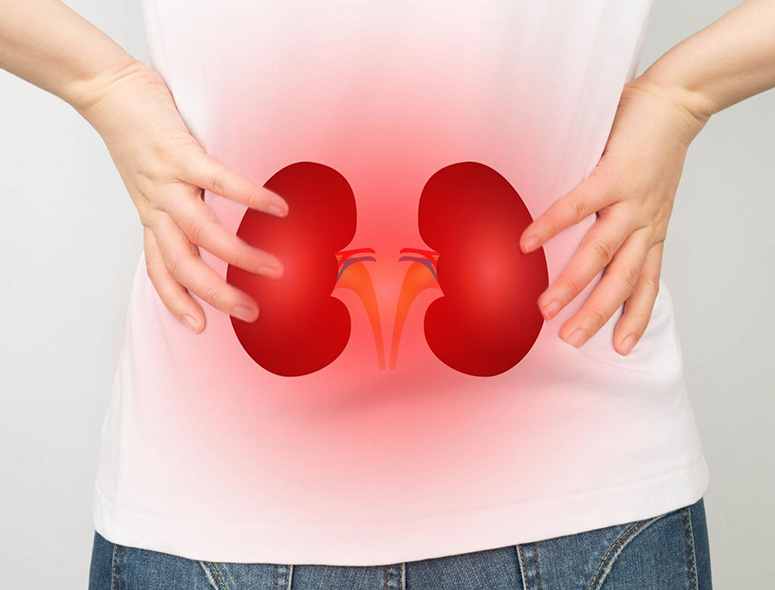
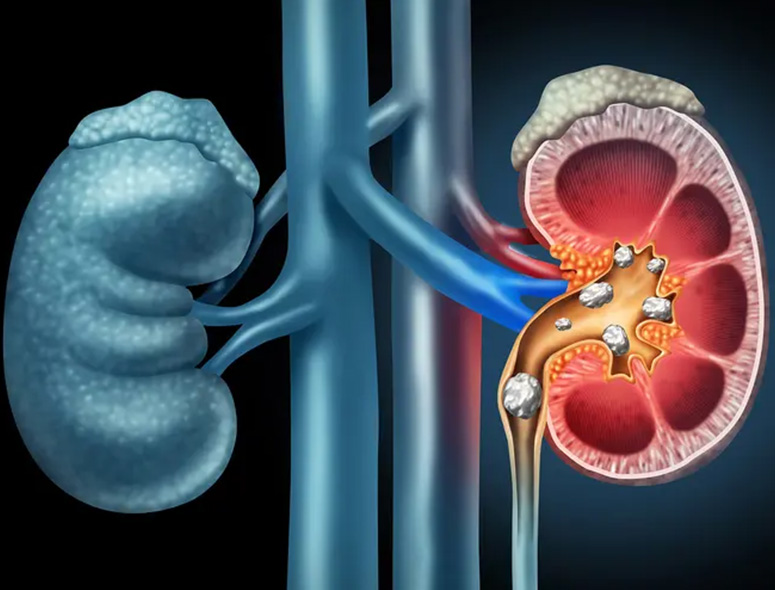
Cirrhosis is the advanced stage of chronic liver disease where permanent, irreversible scarring develops due to long-term inflammation and continuous liver damage. As healthy liver tissues get replaced by scar tissues, it significantly interferes with the functioning of the liver and has life-threatening consequences including mortality. Cardio-metabolic disorders, viral infections (like Hepatitis), and alcohol & drug use are the common causes of Cirrhosis. While it cannot be cured or reversed, it is possible to slow down the progression of the disease to the decompensated stage, safeguard liver function, and control long-term complications including kidney damage through early screening and targeted medical interventions.

Symptoms of Cirrhosis

Nausea and loss of appetite

Upper right abdominal pain

Chronic fatigue/ exhaustion

Visible blood vessels that look like spiders

Redness of palms/ pale finger nails

Unexplained weight loss

When to See a Doctor for Cirrhosis?

The following are warning signs of progressing Cirrhosis which necessitates immediate medical attention.

Treatment Approach

Dr. Rajiv Grover’s Treatment Approach for Cirrhosis

Dr. Rajiv Grover, one of the most trusted liver specialists in Ludhiana, seamlessly integrates global medical protocols, advanced diagnostics, and modern interventions to manage Liver Cirrhosis. His specialized focus is to stabilize liver health, slow down disease progression, control long-term complications, and restore patient well-being.

Initial Consultation

In the first, deep-dive consultation, the doctor gathers information about your medical history, condition, lifestyle, and symptoms through a two-way conversation, followed by a physical examination to check for signs of enlarged liver, cirrhosis, and jaundice. It helps the the diagnosis if you can present your previous medical reports, blood or liver function tests, and abdominal ultrasounds, if any.

Advanced Diagnosis

The doctor uses one or more tests to confirm the diagnosis, check liver function, rule out other liver diseases, and stage the liver damage:

Tailored Treatment

The treatment for liver cirrhosis is based on the extent of liver damage and the causative factors. The doctor designs an individualized treatment plan that may include the following:

Risks & Complications

What Happens If You Leave Cirrhosis Untreated?

Untreated cirrhosis causes severe, irreversible liver scarring that has life-threatening consequences for the patient.

Liver failure & liver cancer

Hepatic encephalopathy

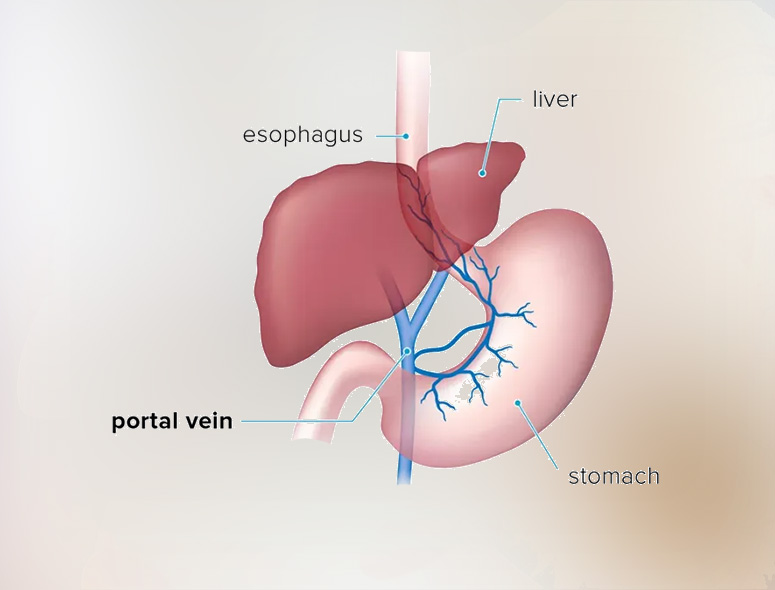
Portal hypertension & internal bleeding

Kidney failure

Why Choose Us?

The Grover Edge

01

World-Class Medical Protocols

Dr. Rajiv Grover adopts international standards of care modelled after leading medical institutes to ensure lasting relief.

02

Science-Backed Methodology

Each treatment plan is evidence-based and rooted in the latest clinical research for improved patient outcomes.

03

Ethical, Compassionate Approach

Our approach incorporates two-way communication, empathy & transparency for improved patient experiences.

04

Advanced Techniques & Treatments

We leverage the latest best practices, advanced techniques and high-end technology for greater accuracy & comfort.

Frequently Asked Questions

The long-term inflammation and resulting permanent scarring of liver is commonly caused by:

  • Metabolic Dysfunction-Associated Steatotic Liver Disease (MASLD)
  • Viral infections like Hepatitis B and C
  • Long-term alcohol & drug use
  • Autoimmune hepatitis
  • Genetic factors
  • Cardiovascular diseases
  • Toxic hepatitis

No, the scarring of the liver in Cirrhosis is considered permanent. While Cirrhosis cannot be cured or reversed, it is possible to slow down the progression of the disease to the decompensated stage, safeguard liver function, and control long-term complications including kidney damage through early screening and targeted interventions.

While Cirrhosis is a serious, life-threatening condition, it is not immediately fatal. Your life expectancy completely depends upon the stage of liver damage (compensated vs decompensated), underlying causes, and strict adherence to treatment. In severe cases, liver transplantation is an option. The key to preventing complete liver failure and life-threatening consequences is early screening and targeted interventions.

The early signs of Cirrhosis include:

  • Nausea and loss of appetite
  • Upper abdominal pain
  • Fatigue/ exhaustion
  • Visible blood vessels that look like spiders
  • Redness of palms/ pale finger nails
  • Unexplained weight loss

The following are warning signs of progressing Cirrhosis which necessitates immediate medical attention.

  • Severe jaundice or abdominal pain/ swelling
  • Easy bruising or bleeding
  • Itchy skin with no visible rashes
  • Dark-coloured urine/ pale-coloured stools
  • Confusion or memory problems
  • Edema (swelling of hands, feet, or legs)

Dr. Rajiv Grover, one of the most trusted liver specialists in Ludhiana, seamlessly integrates global medical protocols, advanced diagnostics, and modern interventions to manage Liver Cirrhosis. His specialized focus is to stabilize liver health, slow down disease progression, control long-term complications, and restore patient well-being.

The doctor uses blood tests, liver function tests, imaging studies, FibroScan, and liver biopsies (when tests are unclear) to confirm the diagnosis, check liver function, rule out other liver diseases, and stage the liver damage. His evidence-based treatment for liver cirrhosis is based on the extent of liver damage and the causative factors, and may include the following:  

  • Treatment for root causes
      • Managing cardio-metabolic risk factors
      • Alcohol dependency treatments
      • Medications for other liver diseases
      • Vaccination for hepatitis A & B
  • Dietary and lifestyle modification
      • Eliminating alcohol and drugs
      • Targeted weight loss
      • Lifestyle changes
      • Dietary supplements for nutritional deficiencies
  • Treatment for Cirrhosis complications
    • Endoscopic Variceal Band Litigation (EVL) for portal hypertension-induced upper GI bleeds
    • Dietary modifications to manage cirrhosis complications
    • Liver cancer screening and treatment
    • Kidney dialysis

Liver transplantation when liver damage is severe


If you have been diagnosed with cirrhosis, you are in a high-risk category for liver cancer – Hepatocellular Carcinoma (HCC). Dr. Rajiv Grover, a trusted liver specialist in the Ludhiana region, typically recommends a screening every 6 months. This usually involves an abdominal ultrasound and a blood test for a specific tumour marker (AFP). Early detection is the most critical factor in successfully treating liver cancer.

Ascites

Ascites

Consult Dr. Rajiv Grover, a distinguished digestive and liver specialist in Ludhiana, for multidimensional management of abdominal fluid retention and its underlying causes.

What is Ascites?

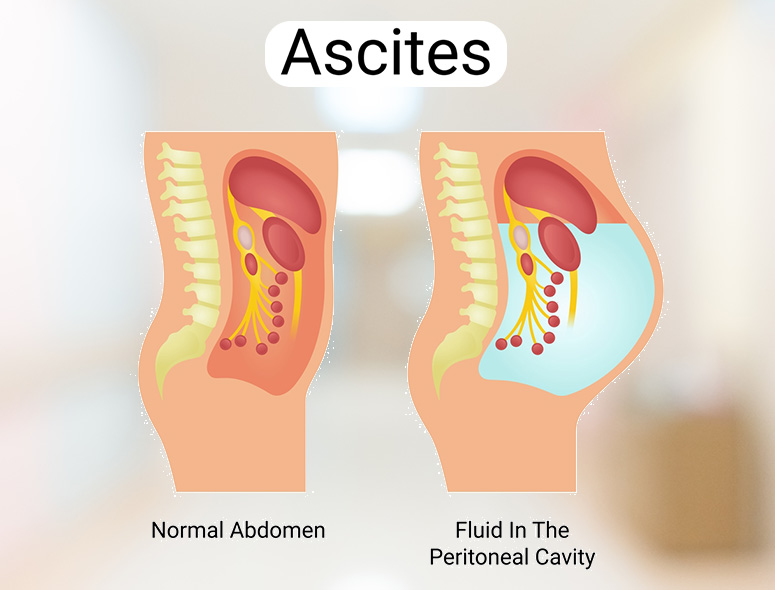
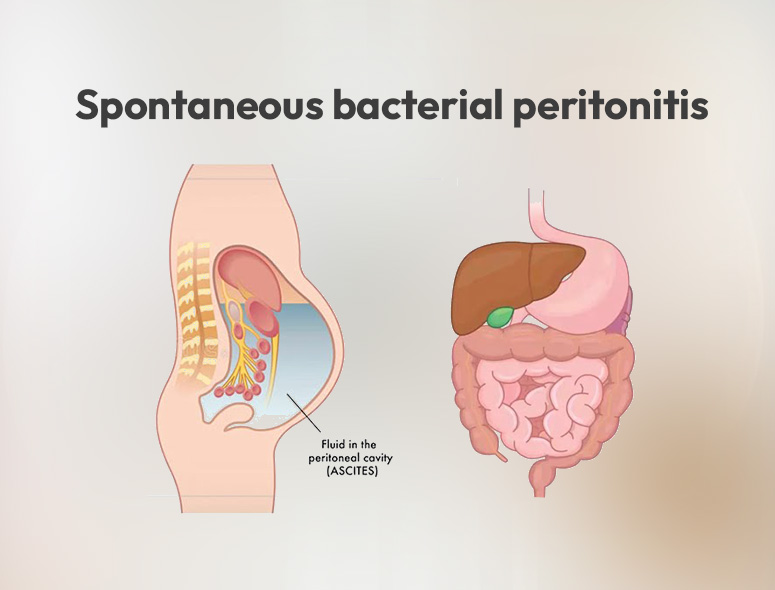
Ascites is a condition causing a swollen belly due to fluid collecting in your abdomen between the two layers of the peritoneum (the tissue covering your abdominal organs like the stomach, intestines and liver). Such fluid buildup causes significant discomfort, restricts movement, and in severe cases, persistent pain. While Ascites is most commonly a complication of liver cirrhosis, it can also be triggered by ovarian and bladder cancer, low protein levels, dialysis, and heart conditions. Because the fluid can become infected or lead to kidney failure, early intervention by a hepatologist is critical to safeguarding your health.

Symptoms of Ascites

Large, watermelon-like belly

Weight gain

Swelling in ankles or lower legs (edema)

Digestive issues (indigestion, constipation, bloating, pain)

Fatigue/ constant feeling of heaviness

Difficulty in movement/ sitting down/ back pain

When to See a Doctor for Ascites?

Ascites can escalate into severe infection or respiratory distress. It is critical to get immediate medical help, if you notice any of the following warning signs.

Treatment Approach

Dr. Rajiv Grover’s Treatment Approach for Ascites

Dr. Rajiv Grover, one of the most trusted hepatologists in Ludhiana, leverages a multidimensional, patient-focused approach to effectively manage abdominal fluid retention. His specialized focus is on early screening and interventions to prevent long-term complications and not just manage symptoms.

Initial Consultation

In the first, deep-dive consultation, the doctor gathers information about your medical history and symptoms through a two-way conversation, followed by a physical examination to check your belly for fluid buildup.

Advanced Diagnosis

The doctor uses one or more tests to confirm the diagnosis, identify underlying causes, and get you started with the right treatment: 

Tailored Treatment

The core focus of ascites treatment is to reduce the fluid build up in the belly in order to prevent long-term complications. The doctor typically uses one or more of the following in your individualized treatment plan based on the root cause and stage of ascites.

Risks & Complications

What Happens If You Leave Ascites Untreated?

Upper & lower GI bleeding due to portal hypertension

Liver failure

Kidney complications

Spontaneous bacterial peritonitis (life-threatening infection)

Why Choose Us?

The Grover Edge

01

World-Class Medical Protocols

Dr. Rajiv Grover adopts international standards of care modelled after leading medical institutes to ensure lasting relief.

02

Science-Backed Methodology

Each treatment plan is evidence-based and rooted in the latest clinical research for improved patient outcomes.

03

Ethical, Compassionate Approach

Our approach incorporates two-way communication, empathy & transparency for improved patient experiences.

04

Advanced Techniques & Treatments

We leverage the latest best practices, advanced techniques and high-end technology for greater accuracy & comfort.

Frequently Asked Questions

The most common cause of Ascites is Liver Cirrhosis, which increases pressure in the liver’s blood vessels (portal hypertension). However, other conditions can also trigger Ascites including heart failure, kidney disease, low protein levels, or certain cancers like ovarian and abdominal cancers.

While Ascites can be effectively managed and significantly reduced, it rarely goes away on its own without treating the underlying cause. While dietary modifications, diuretics and fluid removal (tapping) provide relief, long-term recovery depends on stabilizing the liver, kidney, or heart condition triggering the fluid buildup.

Yes, Ascites can be dangerous and life-threatening if left untreated. The most serious complications of fluid buildup in the abdomen are the pressure it puts on the lungs which causes shortness of breath and the risk of Spontaneous Bacterial Peritonitis (SBP) – a life-threatening infection.

It is critical to get immediate medical help, if you notice any of the following warning signs.

  • Rapid weight gain (more than 1 kg per day for 3 days in a row)
  • Worsening abdominal pain/ tenderness
  • Shortness of breath/ difficulty breathing when lying flat
  • Mental changes or sudden confusion
  • Any fever above 100.5oF
  • Persistent nausea or loss of appetite

While both fat and Ascites cause abdominal swelling, Ascites typically presents itself as a firm, tight watermelon-like belly that may shift when you move. It is often accompanied by rapid weight gain (in days or weeks) and swelling in the ankles or lower legs (Edema). But fat accumulation, on the other hand, happens slowly over months. 

Dr. Rajiv Grover, one of the most trusted hepatologists in Ludhiana, leverages a multidimensional, patient-focused approach to effectively manage abdominal fluid retention. The core focus of ascites treatment is to reduce the fluid buildup in the belly in order to prevent long-term complications. The doctor typically uses one or more of the following in your individualized treatment plan based on the root cause and stage of ascites.

  • Strict low-sodium diets and limiting salt intake
  • Diuretics (water pills) for reducing fluid buildup
  • Limiting fluid intake if sodium levels are low
  • Complete alcohol avoidance
  • Antibiotics for treating infections
  • Vaccinations for Hepatitis A & B
  • Therapeutic abdominal tapping to safely remove large amounts of fluid
  • Transjugular Intrahepatic Portosystemic Shunt (TIPS) to ease pressure in liver veins
  • Liver transplantation in severe cases

The most critical rule is to limit/ avoid salt (sodium). Salt acts as a sponge, pulling more fluid into your abdomen. You should strictly limit or avoid:

  • Processed and canned foods
  • Salty snacks (chips, pickles, papad)
  • Bread and salted butter
  • Alcohol, which can cause rapid inflammatory spikes and worsen liver dama

Upper GI Bleeding

Upper GI Bleeding

Consult Dr. Rajiv Grover, a distinguished gastroenterologist in Ludhiana, for lifesaving, timely stabilization of upper GI bleeding and the elimination of the risks of recurrence.

What is Upper GI Bleeding?

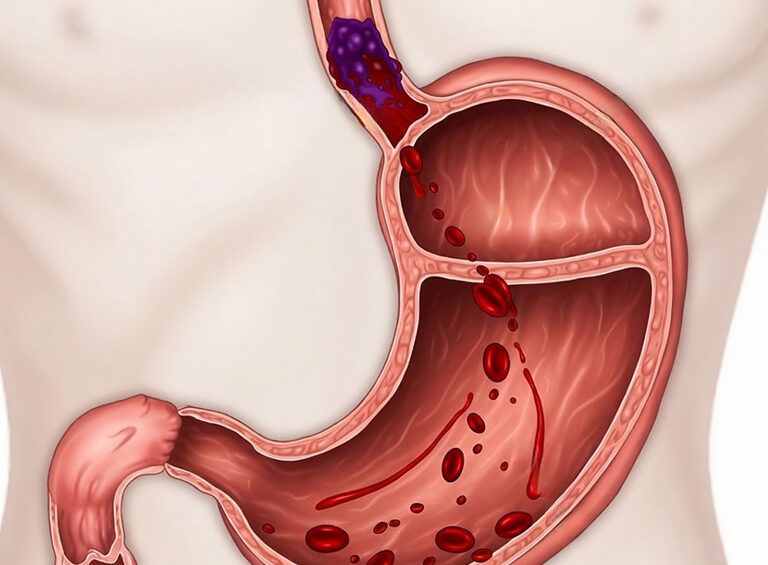
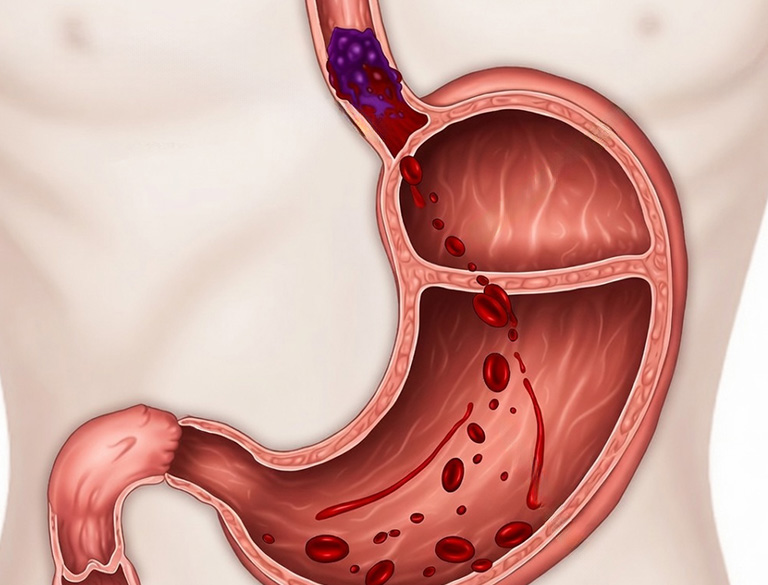
Upper Gastrointestinal (GI) Bleeding is a common, often acute GI emergency that is caused by internal bleeding in the upper part of the digestive tract (stomach, esophagus or duodenum). Such bleeds are primarily caused by peptic ulcers, esophageal varices, severe GERD, chronic acidity, and cancers. Upper GI bleed can be acute (sudden, short-term) or chronic (recurrent, long-term), occult (microscopic, invisible bleeds), overt (blood vomit), or obscure (standard endoscopy doesn’t reveal the source). Precision-led diagnostics are critical in locating he source and thereon treating upper GI bleeding and preventing its recurrence. 

Symptoms of Upper GI Bleeding

The symptoms of upper GI bleeding vary depending upon its type, location, and severity of bleeding. Common symptoms include:

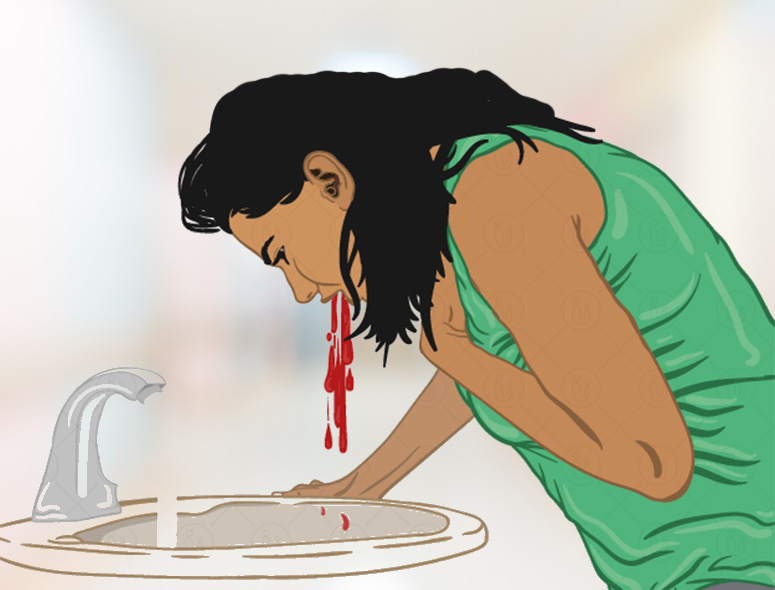
Vomiting blood (in red, dark brown, or coffee grounds colour)

Lightheadednes/ fainting spells/ dizziness

Abdominal pain/ cramping

Difficulty breathing/ rapid breathing

Weakness/ fatigue/ tiredness

Pale appearance

Note: In case of acute upper GI bleeding, the symptoms are sudden and severe including dizziness, shock, difficulty urinating, and rapid pulse.

When to See a Doctor for Upper GI Bleeding?

It is critical get immediate medical help, if you notice any of the following warning signs.

Treatment Approach

Dr. Rajiv Grover’s Treatment Approach for Upper GI Bleeding

Dr. Rajiv Grover, a highly experienced gastroenterologist and hepatologist in the Ludhiana region, ensures not just the timely stabilization of upper GI bleeds but identifies the root cause and proactively prevents the risk of recurrence.

Initial Consultation

In the first, deep-dive consultation, the doctor gathers information about your medical history and symptoms through a two-way conversation, followed by a physical examination.

Advanced Diagnosis

The doctor leverages purposeful tests to identify the source of the leak and the underlying causes.

Note: If non-invasive and minimally invasive tests are unable to reveal the source of the bleed, a surgery may be necessary for the doctor to view the entire small intestine.

Tailored Treatment

The treatment for upper GI bleeding depends upon the root cause, as well as, the source and severity of the bleed. Dr. Rajiv Grover, a leading authority in interventional endoscopy in the Ludhiana region, may use a combination of the following in your individualized treatment plan:

Risks & Complications

What Happens If You Leave Upper GI Bleeding Untreated?

Due to the loss of blood, the complications of untreated/ delayed treatment of upper GI bleeding are severe.

Severe anaemia & decreased quality of life

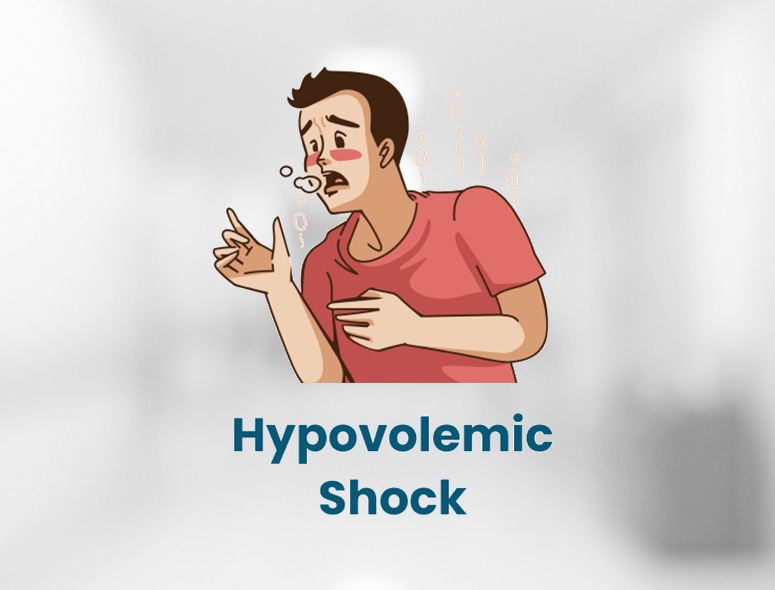
Hypovolemic shock & multiple organ failure

Kidney damage/ heart attacks

Death especially if you have co-morbidities

Why Choose Us?

The Grover Edge

01

World-Class Medical Protocols

Dr. Rajiv Grover adopts international standards of care modelled after leading medical institutes to ensure lasting relief.

02

Science-Backed Methodology

Each treatment plan is evidence-based and rooted in the latest clinical research for improved patient outcomes.

03

Ethical, Compassionate Approach

Our approach incorporates two-way communication, empathy & transparency for improved patient experiences.

04

Advanced Techniques & Treatments

We leverage the latest best practices, advanced techniques and high-end technology for greater accuracy & comfort.

Frequently Asked Questions

Upper GI bleeding is primarily caused by disorders affecting the stomach, esophagus, and duodenum (upper part of the small intestine), including:

  • Peptic ulcers (sores on the inner lining of the stomach/ small intestine)
  • Mallory-Weiss tears (tears in the esophageal lining)
  • Esophageal varices (enlarged veins in the esophagus)
  • Severe GERD & chronic acidity
  • Abnormal growths/ polyps in the upper digestive tract
  • Upper GI cancers
  • Portal hypertensive gastropathy
  • Hiatal hernia

The symptoms of upper GI bleeding depend on the type, location and severity of bleeding. Common symptoms include:

  • Vomiting blood (in red, dark brown, or coffee grounds colour)
  • Lightheadednes/ fainting spells/ dizziness
  • Abdominal pain/ cramping
  • Difficulty breathing/ rapid breathing
  • Weakness/ fatigue/ tiredness
  • Pale appearance

Note: In case of acute upper GI bleeding, the symptoms are sudden and severe including dizziness, shock, difficulty urinating, and rapid pulse.

The following are the warning signs that indicate you need to get immediate medical help:

  • Symptoms of shock (cold, clammy skin, confusion, rapid pulse)
  • Active blood vomiting
  • Rapid breathing/ difficulty breathing
  • Changes in behaviour or mental status

Yes, it is possible to have upper GI bleeding without seeing blood. This type is called Occult Bleeding wherein you only notice symptoms like fatigue, dizziness, shortness of breath, tiredness, and pale appearance.

Dr. Rajiv Grover, a leading endoscopy specialist in Ludhiana, leverages purposeful tests to identify the source of the leak and the underlying causes.

  • Diagnostic endoscopy:
      • Upper GI endoscopy
      • Capsule endoscopy for the small intestine
      • Balloon-assisted enteroscopy for obscure bleeds
  • Other tests:
          • Blood tests including anaemia test & clotting ability
          • CT scans/ GI X-ray

Note: If non-invasive and minimally invasive tests are unable to reveal the source of the bleed, a surgery may be necessary for the doctor to view the entire small intestine.


    •  
  •  

Dr. Rajiv Grover ensures not just the timely stabilization of upper GI bleeds but identifies the root cause and proactively prevents the risk of recurrence. Using precision-led diagnostic endoscopy and other tests, he identifies the source of the leak, its severity, and underlying causes. Based on this, Dr. Grover, a leading authority in interventional endoscopy in the Ludhiana region, uses a combination of the following to treat the bleed:

  • Medications for:
      • Underlying cause like ulcers/ GERD
      • Blood clotting
      • Relieving swelling
  • Therapeutic endoscopic interventions such as:
    • Polypectomy for the removal of upper GI polyps
    • Endoscopic variceal litigation (EVL) banding
    • Gastric varix glue injection therapy  
    • OVESCO clip Application
    • Argon Plasma Coagulation (APC) (non-contact laser therapy for chronic bleed management)


The primary difference lies in the location and the appearance of the blood:

  • Upper GI Bleeding: Originates in the esophagus, stomach, or duodenum. It often results in vomiting blood in red/ brown/ coffee ground colour as the blood is partially digested by stomach acid.
  • Lower GI Bleeding: Originates in the colon, rectum, or anus. It typically presents as bright red blood in or on the stool (Hematochezia), as the blood has not been exposed to stomach acid.

Hepatic Coma

Hepatic Coma

Consult Dr. Rajiv Grover, one of the best liver specialists in Ludhiana, for the intensive management of Hepatic Coma, focused on toxin reduction & liver restoration.

What is Hepatic Coma?

Hepatic Coma or Grade 4 Hepatic Encephalopathy (HE) is a severe, life-threatening but often reversible neurological complication of liver dysfunction. When the liver is too damaged to filter out toxins from the blood, these substances travel to the brain and affects its ability to function, causing disorientation, confusion and erratic behaviour.

The main triggers of Hepatic Encephalopathy and Hepatic Coma are Cirrhosis, liver cancer, acute/ chronic liver failure, alcohol abuse, severe dehydration, and certain medications. With early screening and intensive management by a hepatologist, it is possible to prevent the loss of consciousness in patients with liver diseases.

Symptoms of Hepatic Coma

The defining symptom of Hepatic Coma is the total loss of consciousness and slipping into a deep coma. However, Hepatic Encephalopathy has some telltale signs you can watch out for and prevent the onset of Hepatic Coma.

Confusion/ disorientation

Forgetfulness

Trouble sleeping at night

Personality or behavioural changes

Slurred speech

Motor issues (difficulty writing or mild tremors)

When to See a Doctor for Hepatic Coma?

If the patient has a total loss of consciousness, you should seek emergency medical attention. To prevent a lapse into Hepatic Coma, watch out for these pre-coma red flags:

Treatment Approach

Dr. Rajiv Grover’s Treatment Approach for Hepatic Coma

Dr. Rajiv Grover, an accomplished hepatologist in Ludhiana, leverages his sharp clinical acumen and modern medical protocols for the intensive management of Hepatic Encephalopathy, preventing its progression into Hepatic Coma. His specialized focus is on reducing toxins in the system and restoring liver function.

Initial Consultation

If the patient has already slipped into a Coma, the first step is emergency protocol initiation. However, if it is a routine consultation for suspected HE, the doctor gathers information about the patient’s personal and family medical history, symptoms, lifestyle, and existing liver diseases through a two-way conversation, followed by a physical examination.

Advanced Diagnosis

The doctor leverages one or more of the following tests for the precision-led diagnosis of the underlying condition causing Hepatic Coma and ruling out other causes. 

Tailored Treatment

Dr. Rajiv Grover follows a science-backed methodology, in line with the international protocols, for the advanced management of Hepatic Encephalopathy and Hepatic Coma.

Risks & Complications

What Happens If You Leave Hepatic Encephalopathy Untreated?

If you leave Hepatic Coma and Encephalopathy untreated, it causes serious, life-threatening complications.

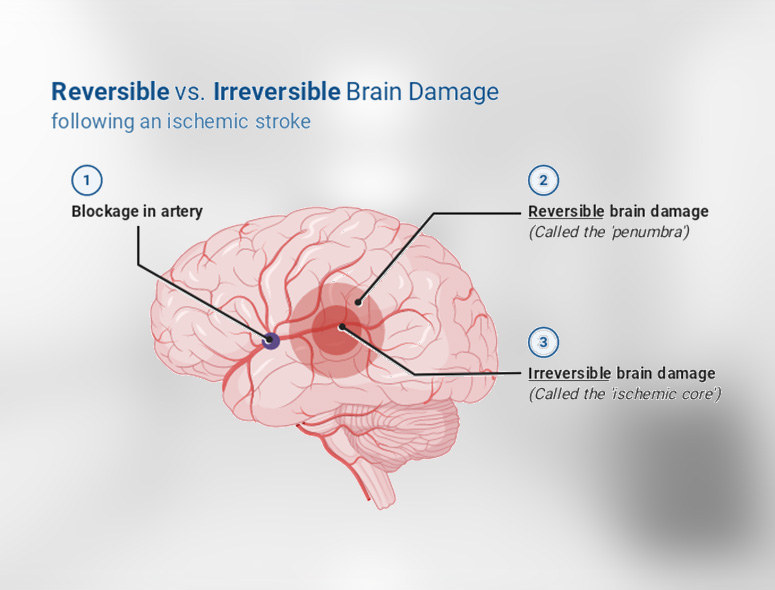
Irreversible brain damage

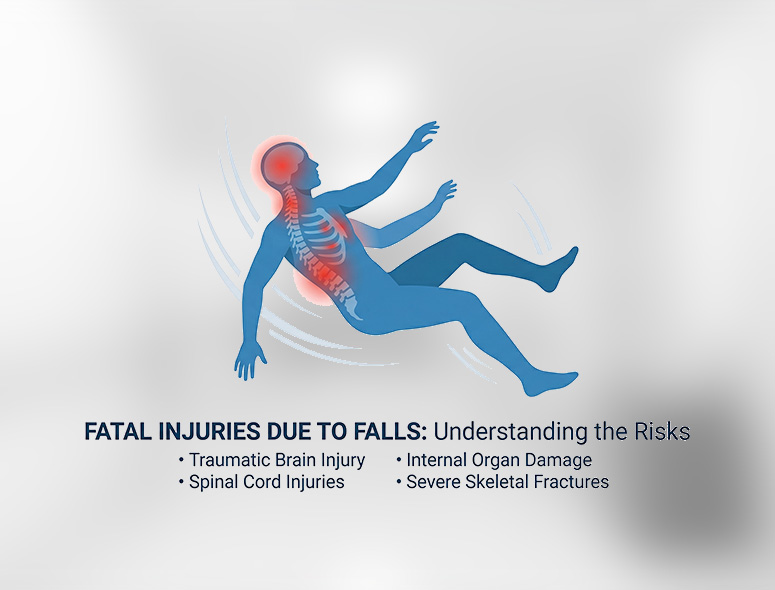
Fatal injuries and falls

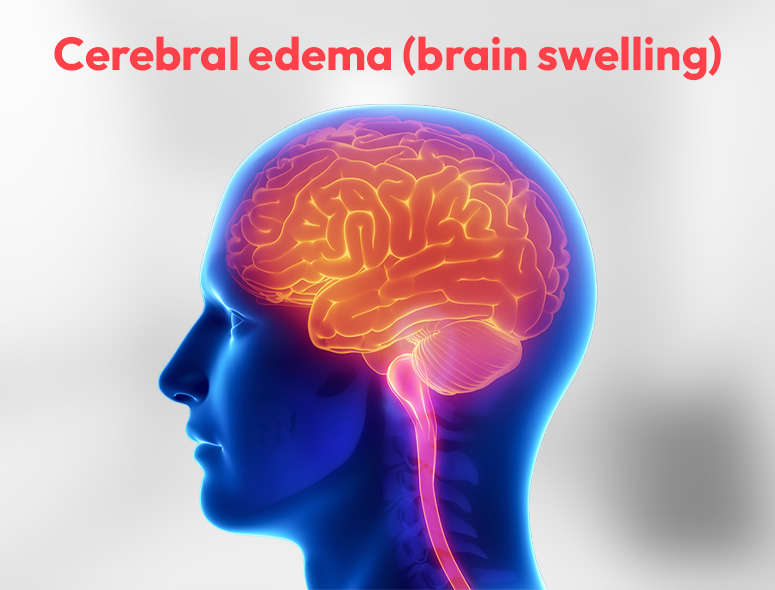
Cerebral edema (brain swelling)

Death

Why Choose Us?

The Grover Edge

01

World-Class Medical Protocols

Dr. Rajiv Grover adopts international standards of care modelled after leading medical institutes to ensure lasting relief.

02

Science-Backed Methodology

Each treatment plan is evidence-based and rooted in the latest clinical research for improved patient outcomes.

03

Ethical, Compassionate Approach

Our approach incorporates two-way communication, empathy & transparency for improved patient experiences.

04

Advanced Techniques & Treatments

We leverage the latest best practices, advanced techniques and high-end technology for greater accuracy & comfort.

Frequently Asked Questions

Hepatic Encephalopathy (HE) is the broad term for brain dysfunction caused by the liver’s inability to filter toxins (like ammonia). it ranges from mild confusion, personality changes, and tremors to severe disorientation.

Hepatic Coma is the most advanced stage (Grade 4) of Hepatic Encephalopathy. At this point, the patient has completely lost consciousness and is unresponsive to stimuli.

While Hepatic Encephalopathy is the disease, Hepatic Coma is the critical, life-threatening end-state of that disease if it is not treated promptly.

In Hepatic Coma, the brain loses total consciousness and is unable to respond to stimuli.

Because the liver is severely damaged, it is not able to filter out neurotoxins, especially ammonia which are naturally produced during digestion. As these neurotoxins accumulate in the bloodstream, they cross the blood-brain barrier and cause the brain to swell (Cerebral Edema). This leads to a complete loss of consciousness where the patient becomes unresponsive to touch, sound, or pain.

While it is a critical emergency, it is often reversible if intensive medical intervention is started immediately to flush the toxins and stabilize liver function.

The main causes of Hepatic Encephalopathy and Hepatic Coma are:

  • Cirrhosis
  • Chronic liver disease (Viral Hepatitis, Fatty Liver Disease, Alcohol-Associated Fatty Liver, etc.)
  • Portosystemic shunts
  • Acute/ chronic liver failure

The common triggers of Hepatic Encephalopathy are:

  • Alcohol abuse
  • Severe dehydration
  • Electrolyte imbalance
  • Certain medications
  • Excessive protein intake
  • Kidney disease
  • Infections

Unlike coma caused by a direct brain injury, Hepatic Coma is not necessarily permanent. It is possible to completely recover from Hepatic Encephalopathy and Hepatic Coma if

  • Coma was triggered by something treatable, such as severe dehydration, a specific infection, or a temporary medication reaction.
  • Liver still has some functioning capacity and intensive medical management can restore stability.
  • Intervention is prompt and effective

While it is a life-threatening emergency, many patients who receive prompt, specialized care go on to make a full neurological recovery. However, in cases of end-stage liver failure where the liver cannot be stabilized, a liver transplant may be the only path to long-term recovery.

If you notice the following red flags, you should seek medical attention from a liver specialist.

  • Complete disorientation (not knowing where they are)
  • Delirium, amnesia, or severe confusion  
  • Slow thinking/ sluggish movements
  • Loss of balance/ tremors/ twitching
  • Daytime drowsiness
  • Loss of general awareness

Dr. Rajiv Grover, an accomplished hepatologist in Ludhiana, leverages his sharp clinical acumen and modern medical protocols for the intensive management of Hepatic Encephalopathy, preventing its progression into Hepatic Coma. His specialized focus is on reducing toxins in the system and restoring liver function.

If the patient has already slipped into a Coma, the first step is emergency protocol initiation. However, if it is routine consultation for suspected HE, the doctor gathers information about the patient’s personal and family medical history, symptoms, lifestyle, and existing liver diseases through a two-way conversation, followed by a physical examination and diagnostic tests.

Dr. Rajiv Grover uses one or more of the following in treating HE.

  • Medications including antibiotics, laxatives & supplements to reduce neurotoxins in the blood (which typically originate in the gut).
  • Treatment for the urgent trigger like dehydration, electrolyte imbalance, or infections causing HE/ Coma.
  • Treatment for underlying liver disease/ condition including medications, liver transplant, and surgery.
  • Lifestyle & dietary changes to reduce the risk of progression of hepatic encephalopathy.

Liver Cancer

Liver Cancer

Consult Dr. Rajiv Grover, one of the best hepatologists in Ludhiana, for proactive risk profiling and specialized management of liver cancer.

What is Liver Cancer?

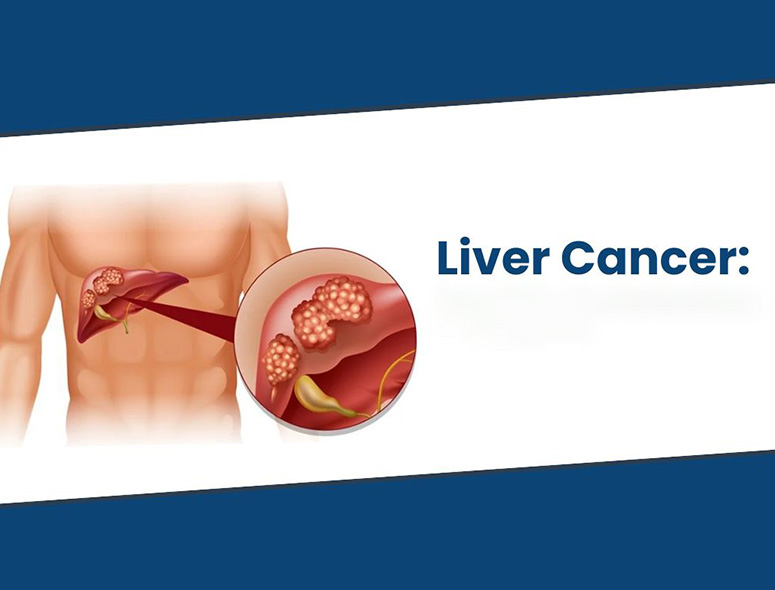
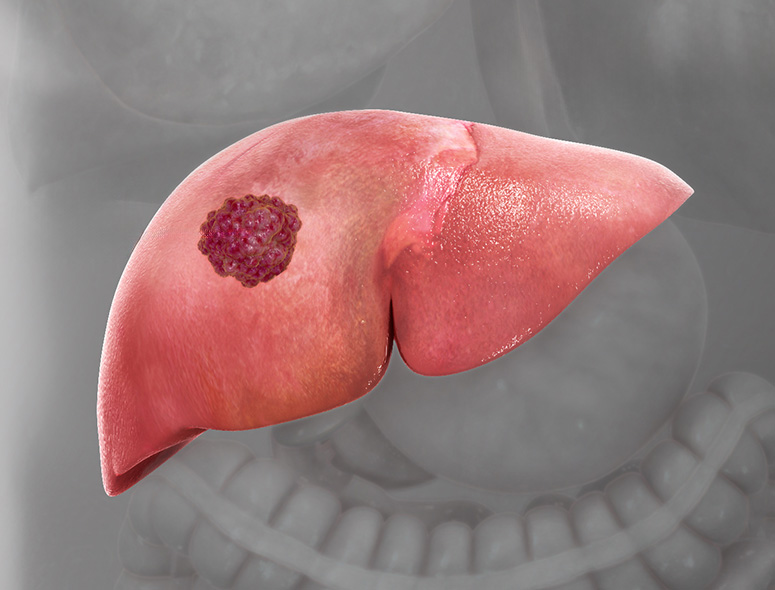
Liver or hepatic cancer is a type of cancer that begins in the liver cells or begins in another part of the body and spread to the liver. These are aggressive hepatobiliary malignancies frequently develop in the background of chronic liver disease, such as Cirrhosis or Hepatitis. The liver is a large, resilient organ, which means it can often continue to function even as a tumour grows. Consequently, many patients do not feel symptoms until the cancer is advanced. Proactive risk profiling, early screening, and expert interventions are critical to catching the malignancies when they are still in treatable stages and improve life expectancy.

Symptoms of Liver Cancer

Liver cancer may not show any symptoms in the early stages; symptoms start appearing only when the disease has progressed. If you notice any of these red flag symptoms, you must consult your hepatologist immediately.

Unexplained/ sudden weight loss

Loss of appetite/ nausea/ vomiting

General fatigue/ weakness

Jaundice

Upper abdominal pain

White, chalky stools

Note: Proactive risk profiling, early screening, and early interventions are critical to stop hepatic cancers from progressing.

Treatment Approach

Dr. Rajiv Grover’s Treatment Approach for Liver Cancer

Dr. Rajiv Grover, a highly respected hepatologist in the Ludhiana region, leverages a specialized approach for the management of liver cancers and malignancies. He focuses on proactive risk profiling and early screenings to catch malignancies in their most treatable stages and advanced therapeutic interventions to control disease progression and improve life expectancy.

Initial Consultation

In the first, deep-dive consultation, the doctor gathers information about your medical history, lifestyle, and symptoms through a two-way conversation, followed by a physical examination to look for visible signs of the disease.

Advanced Diagnosis

The doctor leverages one or more of the following tests to diagnose and stage the cancer.

Tailored Treatment

The doctor develops an individualized treatment plan based on the stage and location of the tumour.

Risks & Complications

What Happens If You Leave Liver Cancer Untreated?

The consequence of untreated liver cancer is terminal. They reduce life expectancy significantly through:

Aggressive disease progression

Metabolic collapse from liver

Biliary infection & obstructions

Multiple organ failure

Why Choose Us?

The Grover Edge

01

World-Class Medical Protocols

Dr. Rajiv Grover adopts international standards of care modelled after leading medical institutes to ensure lasting relief.

02

Science-Backed Methodology

Each treatment plan is evidence-based and rooted in the latest clinical research for improved patient outcomes.

03

Ethical, Compassionate Approach

Our approach incorporates two-way communication, empathy & transparency for improved patient experiences.

04

Advanced Techniques & Treatments

We leverage the latest best practices, advanced techniques and high-end technology for greater accuracy & comfort.

Frequently Asked Questions

While not all cases are preventable, many risk factors can be managed to significantly lower your chances of developing liver malignancies:

  • Getting Hepatitis B vaccinations
  • Treating Hepatitis C
  • Avoiding excessive alcohol consumption to prevent Cirrhosis

Proactive risk profiling and early detection through regular screenings is the most effective way to find and stop these cancers from progressing.

Secondary (metastatic) liver cancer is actually more common than primary liver cancer. It occurs when cancer from another organ (such as the colon, stomach, or pancreas) spreads to the liver. In these cases, the treatment focus shifts to managing both the original source and the liver deposits. Dr. Rajiv Grover, a distinguished hepatologist in Ludhiana, works in coordination with oncologists to provide integrated care, using localized treatments to shrink liver tumours and improve overall survival.

Survival is highly dependent on the stage at diagnosis. If caught early, especially in patients undergoing regular screening for cirrhosis, liver cancer is often treatable with surgery or localized ablation, significantly improving the survival rate.

No. Liver biopsies are performed during endoscopy while you are under sedation using non-invasive, advanced techniques like Endoscopic Ultrasound (EUS). You will not have any external incisions or feel the sample being taken.

While many associate liver cancer only with alcohol or Hepatitis, Non-Alcoholic Fatty Liver Disease (NAFLD), often linked to obesity and diabetes, has become a leading cause of liver malignancies. Chronic fat accumulation leads to NASH (inflammation), which causes scarring and can eventually trigger cancer cells. Dr. Rajiv Grover provides specialized metabolic monitoring to help high-risk patients reverse fatty liver changes before they turn into a serious malignancy.

Dr. Rajiv Grover, a highly respected liver specialist in the Ludhiana region, leverages a specialized approach for the management of hepatic cancers and malignancies. He focuses on proactive risk profiling and early screenings to catch malignancies in their most treatable stages and advanced therapeutic interventions to control disease progression and improve life expectancy. 

The doctor leverages advanced diagnostic tests to diagnose and stage the cancer. He develops an individualized treatment plan using a combination of:

  • Surgery
  • Localized treatments
  • Targeted drug therapy
  • Chemotherapy
  • Radiation therapy
  • Immunotherapy
  • Palliative care
  • Liver transplant