

Celiac Disease
Consult Dr. Rajiv Grover, one of the best digestive disease specialists in Ludhiana, for multidimensional, lifestyle-integrated management of Celiac Disease.

What is Celiac Disease?
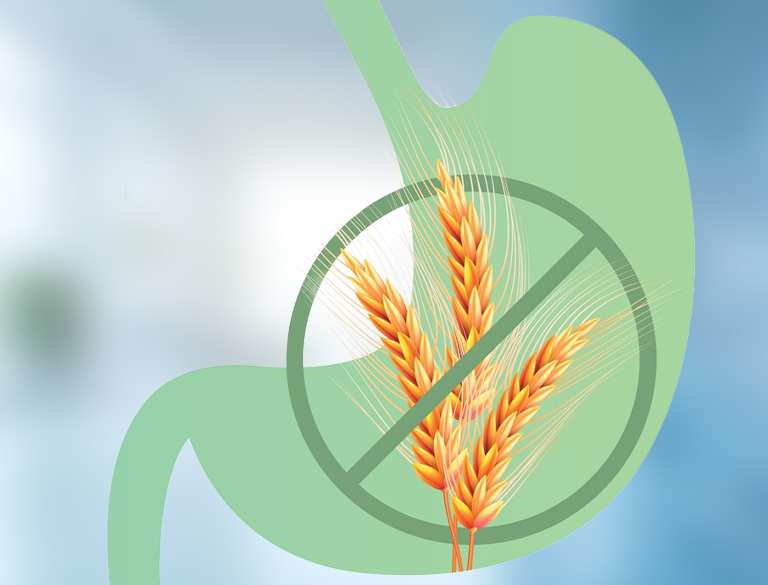
Celiac disease is an inherited, autoimmune condition where the immune system reacts to gluten and causes inflammation and damage to the small intestine. Gluten is a protein found in foods that contain wheat, rye, or barley. Unlike food allergies, eating gluten, when you have celiac disease, triggers an abnormal immune response wherein your immune system attacks the gluten in your digestive system and causes inflammation.
When you consume a lot of gluten, the constant inflammation damages your small intestine’s lining and prevents it from absorbing nutrients from your food. Untreated celiac disease leads to chronic malabsorption and malnutrition. In children, celiac disease affects their growth and development. While no cure exists for celiac disease, it is highly manageable through dietary optimization and individualized medical management.
Symptoms of Celiac Disease
Celiac disease symptoms vary widely and are different for adults and children. It is also possible that it remains asymptomatic until the real damage has been done and signs of nutritional deficiencies start to appear.
Symptoms in Adults
Diarrhoea/ constipation
Nausea/ vomiting
Weight loss
Bloating, gas, belly pain
Headaches, fatigue
Mouth ulcers
Symptoms in Children
Nausea/ vomiting
Chronic diarrhoea
Constipation
Swollen belly
Gas
Pale, foul-smelling stools
When to See a Doctor for Celiac Disease?
If you notice any of these warning signs, you must seek immediate medical help:
- Chronic diarrhoea/ constipation
- Unexplained weight loss
- Iron-deficiency anaemia symptoms (paleness, extreme fatigue)
- Itchy, blistery skin rashes/ Joint pain
- No improvement with gluten-free diet
- Growth challenges in children
Note: If you have a family history of celiac disease, you should consult a gastroenterologist and get yourself evaluated.
Treatment Approach
Dr. Rajiv Grover’s Treatment Approach for Celiac Disease
Dr. Rajiv Grover, a highly respected celiac disease specialist in the Ludhiana region, leverages a specialized, multidimensional approach for the management of celiac disease, focused on long-lasting relief, improved nutritional absorption, and prevention of intestinal damage.
Initial Consultation
In the first, deep-dive consultation, the doctor gathers information about your medical history, lifestyle, and symptoms through a two-way conversation, followed by a physical examination to look for visible signs of the disease.
Advanced Diagnosis
The doctor leverages one or more of the following tests to confirm the diagnosis.
- Blood tests
- Upper GI endoscopy
- Capsule endoscopy
- Biopsy
- Genetic testing
Tailored Treatment
The doctor develops an individualized treatment plan that may include:
- Strict, lifelong gluten-free diet
- Vitamin & nutritional supplements
- Medicines to control inflammation
- Medicines for symptom control
- Regular follow-up care
- Lifestyle management
Risks & Complications
What Happens If You Leave Celiac Disease Untreated?
Untreated celiac disease can cause serious complications like:

Malnutrition & food intolerances

Bone weakening

Infertility & miscarriages

Weakened immunity
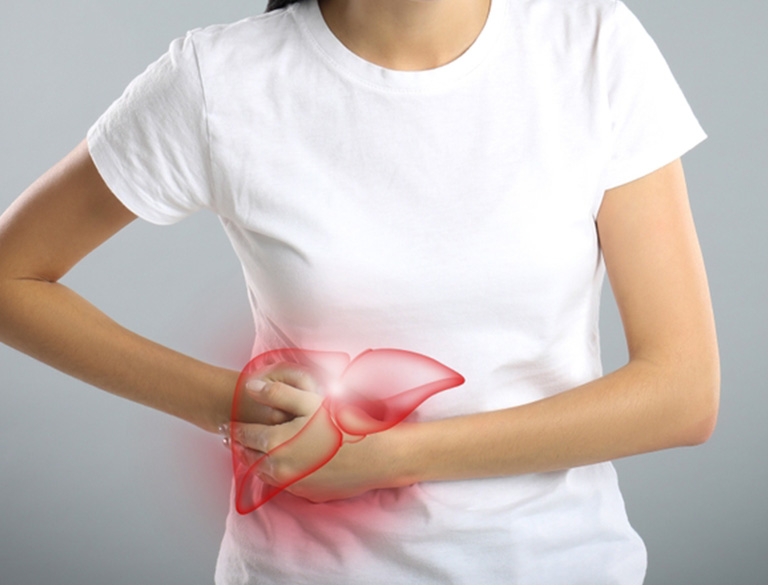
Liver disease
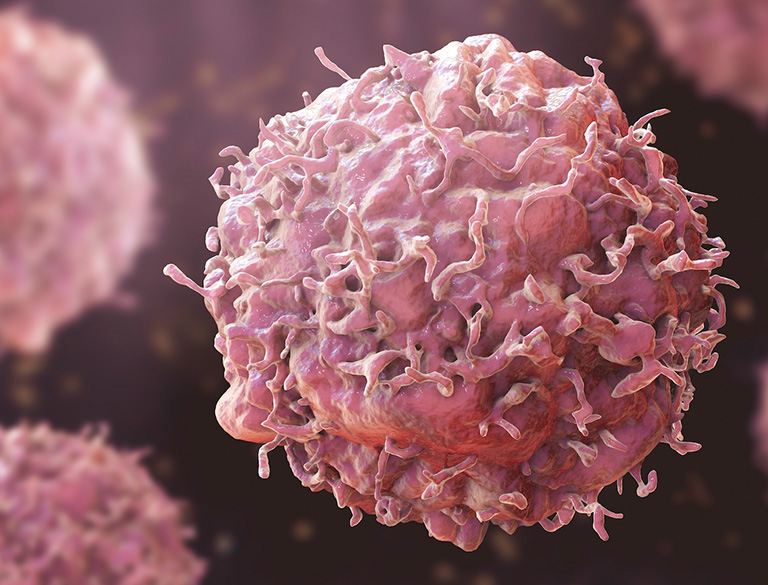
Cancer
Why Choose Us?
The Grover Edge
01
World-Class Medical Protocols
Dr. Rajiv Grover adopts international standards of care modelled after leading medical institutes to ensure lasting relief.
02
Science-Backed Methodology
Each treatment plan is evidence-based and rooted in the latest clinical research for improved patient outcomes.
03
Ethical, Compassionate Approach
Our approach incorporates two-way communication, empathy & transparency for improved patient experiences.
04
Advanced Techniques & Treatments
We leverage the latest best practices, advanced techniques and high-end technology for greater accuracy & comfort.
Frequently Asked Questions
No. Celiac disease is a lifelong autoimmune condition. While your symptoms will disappear and your intestine will heal on a strict gluten-free diet, the immune sensitivity remains. Eating gluten at any point in the future will trigger the damage again.
Gluten intolerance (Non-Celiac Gluten Sensitivity) causes discomfort but does not damage the small intestine or trigger the immune system to attack the body. Celiac disease is a serious autoimmune condition that causes permanent physical scarring and systemic health risks.
For most, yes. However, many patients have hidden deficiencies or secondary issues like lactose intolerance that develop because of the initial damage. Dr. Grover ensures these are addressed so that your energy levels and bone density return to normal.
Self-diagnosis is risky. Other conditions like Crohn’s disease can mimic Celiac symptoms. A formal diagnosis by an expert like Dr. Rajiv Grover, a highly respected gastroenterologist in Ludhiana, is necessary to monitor you for long-term risks like bone loss, liver disease, and specific cancers that require regular medical screening.
Transitioning to a gluten-free lifestyle requires more than just avoiding bread; it involves identifying hidden gluten while ensuring your body receives the nutrients it was previously missing.
Foods to Include (Naturally Gluten-Free)
- Grains & Starches: Rice, corn (maize), millet, buckwheat (kuttu), quinoa, and amaranth (rajgira).
- Proteins: Fresh eggs, lean meats, poultry, fish, and all types of legumes (daals) and pulses.
- Produce: All fresh fruits and vegetables.
- Dairy: Plain milk, yogurt (curd), and most natural cheeses.
Foods to Avoid (Contain Gluten):
- The Big Three: Anything containing Wheat (atta, maida, suji), Barley (jau), or Rye.
- Processed Foods: Most biscuits, pastas, cakes, and breads.
- Hidden Gluten: Many soy sauces, malt flavorings, beer, salad dressings, and certain spice mixes (hing/asafoetida often contains wheat flour).
Dr. Rajiv Grover, a highly respected celiac disease specialist in the Ludhiana region, leverages a specialized, multidimensional approach for the management of celiac disease, focused on long-lasting relief, improved nutritional absorption, and prevention of intestinal damage.
After confirming the diagnosis with purposeful tests, the doctor develops an individualized treatment plan that may include:
- Strict, lifelong gluten-free diet
- Vitamin & nutritional supplements
- Medicines to control inflammation
- Medicines for symptom control
- Regular follow-up care
- Lifestyle management