
Crohn’s Disease
Consult Dr. Rajiv Grover, a highly respected IBD Specialist in Ludhiana, to effectively manage Crohn’s Disease and achieve long-term remission.
What is Crohn’s Disease?
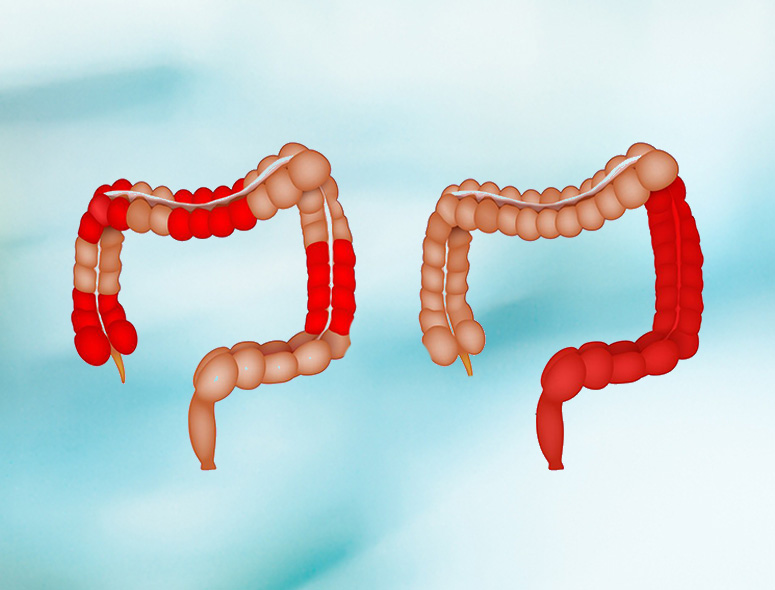
Crohn’s Disease is a chronic Inflammatory Bowel Disease (IBD) that causes long-lasting inflammation deep into the layers of the digestive tract. While this inflammation may affect different areas of the GI tract in different people – from the mouth to the anus, it most commonly affects the terminal ileum (end of the small intestine).
Unlike most other digestive disorders, Crohn’s disease is an immune-mediated disease where your immune system overreacts and mistakenly attacks the digestive tract. Though it is a lifelong condition, it follows a cyclical pattern of:
- Flare-ups: Periods when you experience symptoms actively.
- Remission: Periods when your symptoms disappear or significantly subside.
While there is no single cure for Crohn’s disease, personalized, lifestyle-integrated treatments help in reducing symptoms, enable long-term remission, and prevent life-threatening complications.
Symptoms of Crohn’s Disease
The symptoms of Crohn’s may develop gradually overtime or appear suddenly without warning.
Ongoing diarrhoea
Blood in stools
Abdominal cramps or pain
Weight or appetite loss
Mouth sores
Fever/ fatigue
Eye irritation/ skin rashes
Joint pain
When to See a Doctor for Crohn’s Disease?
It is critical get immediate medical help, if you notice any of the following warning signs.
- Severe abdominal pain or cramping
- Sudden changes in bowel habits
- Heavy rectal bleeding
- Diarrhoea lasting more than 2 weeks
- High fever, dehydration, fatigue
Treatment Approach
Dr. Rajiv Grover’s Treatment Approach for Crohn’s Disease
Dr. Rajiv Grover, a distinguished gastroenterologist in Ludhiana, leverages a targeted approach to empower you to achieve symptom control and long-term remission while preventing the development of serious complications.
Initial Consultation
In the first, deep-dive consultation, the doctor gathers information about your personal and family medical history, lifestyle, and symptoms through a two-way conversation, followed by a physical examination.
Advanced Diagnosis
The doctor leverages purposeful tests to rule out other conditions similar to Crohn’s and confirm the diagnosis.
- Blood tests (infections, anaemia)
- Stool sample test (infections, inflammation)
- CT scans/ MRI scans
- Colonoscopy
- Capsule endoscopy
- Biopsy
Tailored Treatment
The treatment goal for Crohn’s disease is to reduce symptoms and put you on a path to long-term remission. Dr. Rajiv Grover, a leading authority in IBD treatments in the Ludhiana region, may use a combination of the following in your individualized treatment plan:
- Medications:
- Antibiotics
- Anti-inflammatory
- Immunomodulators
- Biologics
- Pain relievers
- Anti-diarrhoeal
- Nutrition therapy to prevent malnutrition:
- Dietary shifts
- Specialized meal plans
- Nutritional supplements
- Feeding tubes in severe cases
- Surgery: If medications fail, surgery may be necessary.
- Lifestyle management
Risks & Complications
What Happens If You Leave Crohn’s Disease Untreated?
Untreated Crohn’s disease can cause serious, life-threatening complications that may require surgery or extra treatment.
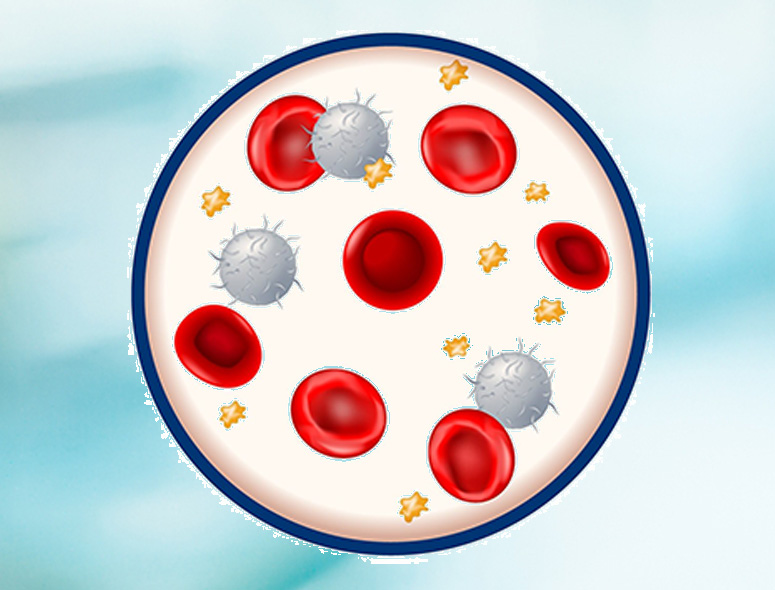
Severe anaemia & malnutrition
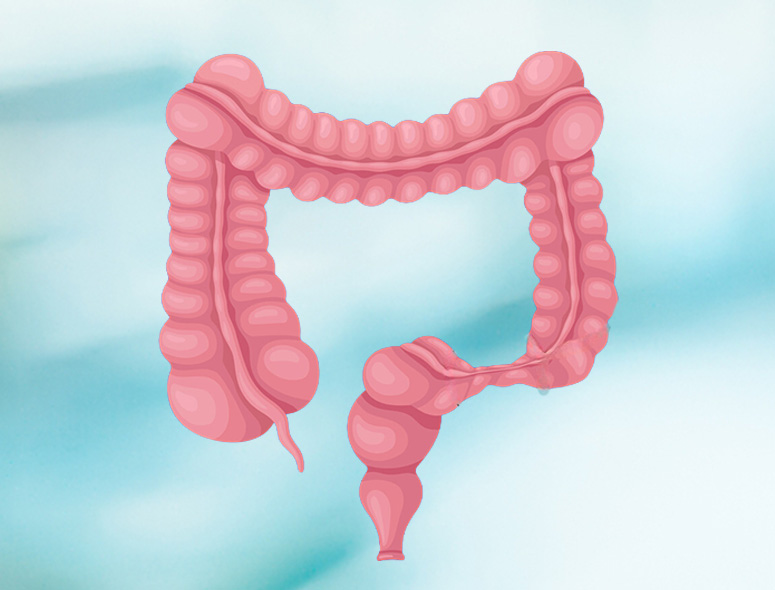
Strictures & blockages
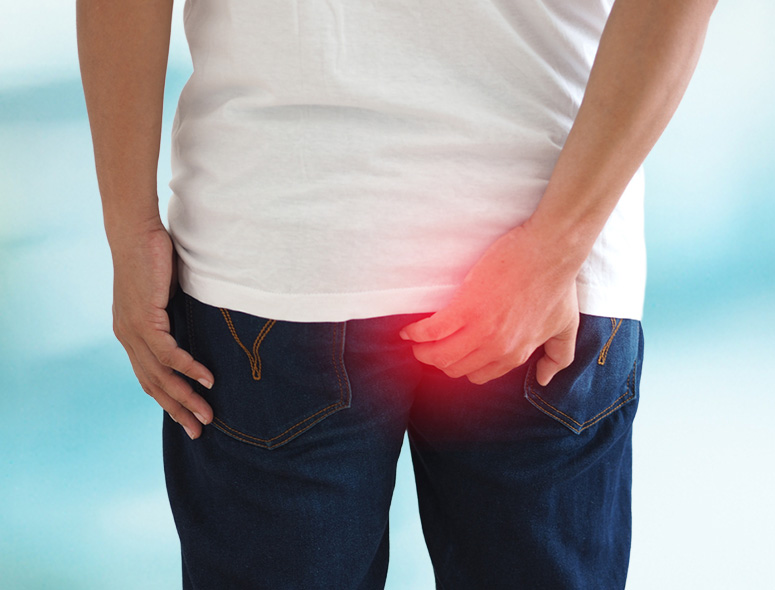
Anal fissures, fistula & abscesses
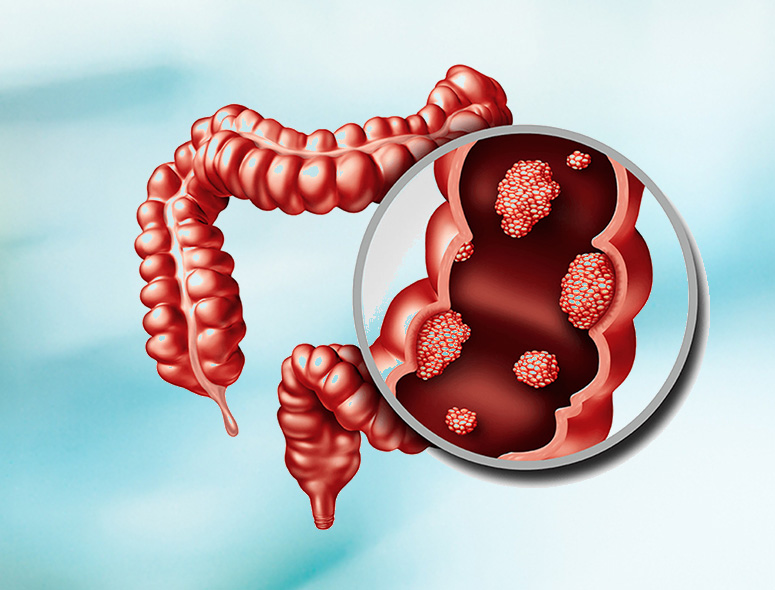
Colorectal cancer
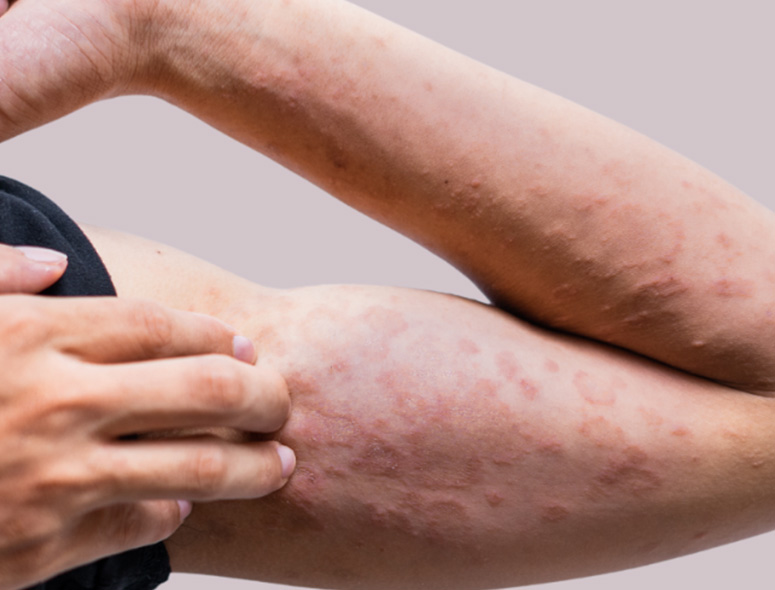
Skin disorders including skin cancer
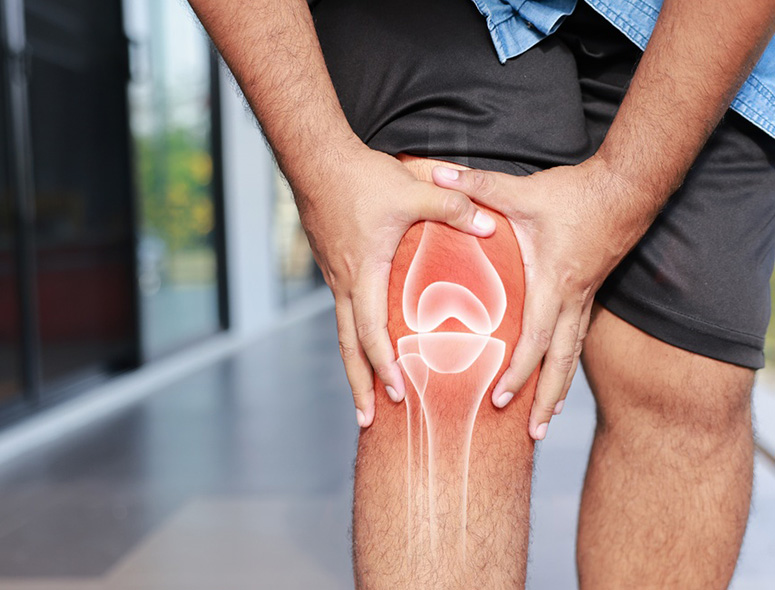
Osteoporosis & arthritis
Note: Even children may develop Crohn’s disease. If it is not properly treated, it may permanently delay growth and physical development in children.
Why Choose Us?
The Grover Edge
01
World-Class Medical Protocols
Dr. Rajiv Grover adopts international standards of care modelled after leading medical institutes to ensure lasting relief.
02
Science-Backed Methodology
Each treatment plan is evidence-based and rooted in the latest clinical research for improved patient outcomes.
03
Ethical, Compassionate Approach
Our approach incorporates two-way communication, empathy & transparency for improved patient experiences.
04
Advanced Techniques & Treatments
We leverage the latest best practices, advanced techniques and high-end technology for greater accuracy & comfort.
Frequently Asked Questions
Crohn’s Disease is a chronic Inflammatory Bowel Disease (IBD) that causes long-lasting inflammation deep into the layers of the digestive tract. While this inflammation may affect different areas of the GI tract in different people – from the mouth to the anus, it most commonly affects the terminal ileum (end of the small intestine). Unlike most other digestive disorders, Crohn’s disease is an immune-mediated disease where your immune system overreacts and mistakenly attacks the digestive tract. Though it is a lifelong condition, it follows a cyclical pattern of flareups and remission.
Untreated Crohn’s disease can cause serious, life-threatening complications that may require surgery or extra treatment.
- Severe anaemia & malnutrition
- Strictures & blockages
- Anal fissures, fistula & abscesses
- Colorectal cancer
- Skin disorders including skin cancer
- Osteoporosis & arthritis
Even children may develop Crohn’s disease. If it is not properly treated, it may permanently delay growth and physical development in children.
While both are IBDs, Crohn’s can affect the entire digestive tract and penetrates all layers of the bowel wall. Ulcerative Colitis is limited only to the colon and only affects the innermost lining.
Yes. Most women with Crohn’s disease can have healthy pregnancies. Dr. Rajiv Grover, a leading gastroenterologist in Ludhiana, works closely with obstetricians (like Dr. Vaishali Grover) to ensure the disease is in remission before and during pregnancy.
The risk of developing rectal bleeding due to Ulcerative Colitis increases with:
- Age
- Race & ethnicity
- Genetics
- Smoking
- Certain medications
No. While stress and certain foods can trigger a flare-up of symptoms, they do not cause the disease itself. Crohn’s disease is a complex interaction of genetics and the immune system.
Dr. Rajiv Grover, a distinguished digestive disease specialist in Ludhiana, leverages a targeted approach to empower treat this type of IBD while preventing the development of severe complications. His treatment goal for Crohn’s disease is to reduce symptoms and put you on a path to long-term remission. He may use a combination of the following in your individualized treatment plan:
- Medications:
- Antibiotics
- Anti-inflammatory
- Immunomodulators
- Biologics
- Pain relievers
- Anti-diarrhoeal
- Nutrition therapy to prevent malnutrition:
- Dietary shifts
- Specialized meal plans
- Nutritional supplements
- Feeding tubes in severe cases
- Surgery: If medications fail, surgery may be necessary.
- Lifestyle management