
Haemorrhoids
Consult Dr. Rajiv Grover, a renowned gastroenterologist in Ludhiana, for the multidimensional treatment of Haemorrhoids. Regain your comfort and quality of life through advanced interventions.
What is Haemorrhoids?
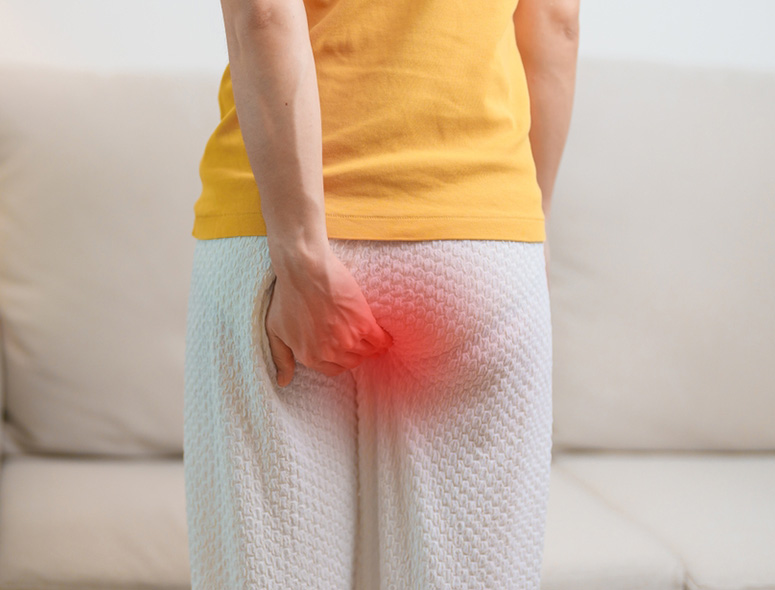
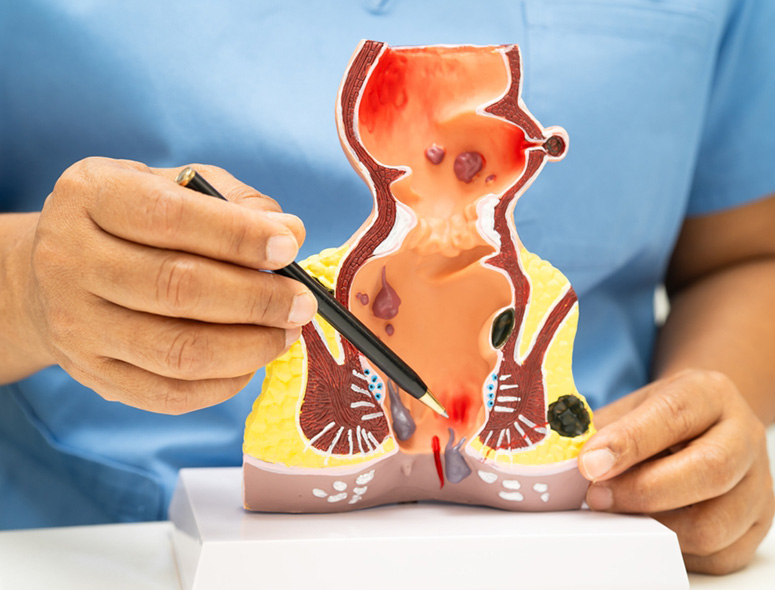
Haemorrhoids, commonly known as piles, occurs when the veins in your anus or lower rectum become swollen and enlarged. These swollen, enlarged veins cause anal itching, pain, discomfort, and bleeding. Haemorrhoids can happen both inside and outside the rectum, and are categorized based on the location of the swollen veins:
- Internal Haemorrhoids: Located deep inside the rectum. They are usually painless but are the most common cause of bright red blood in stools.
- External Haemorrhoids: Located under the skin around the anus. Often visible, these are itchy & painful.
- Prolapsed Haemorrhoids where internal haemorrhoids stretch and bulge outside the anus, causing bleeding and pain.
- Thrombosed Haemorrhoids where a blood clot forms in an external haemorrhoid, appearing as painful purple/ blue lump outside the anus.
While haemorrhoids are generally not life-threatening, they are painful and uncomfortable. With targeted treatments combining dietary and lifestyle improvements, you can experience lasting comfort and improved quality of life.
Symptoms of Haemorrhoids
Symptoms vary based on the type, but generally include:
Itching or irritation around anal area
Pain or discomfort in anus while sitting
Inflammation/ swelling around anus
Small amounts of blood in stools/ toilet paper/ bowl
Note: Hard, discoloured lump near anus is a symptom of thrombosed haemorrhoids.
When to See a Doctor for Haemorrhoids?
It is critical get immediate medical help, if you notice any of the following warning signs.
- Blood in stools for more than a week
- Haemorrhoids that don’t improve with a week’s home care
- Sudden changes in bowel habits
- Black, tarry, or maroon stools
- Dizziness/ light-headedness/ fainting spells
Critical Note: You shouldn’t brush off rectal bleeding as simply piles. Rectal bleeding/ blood in stools can happen with other disease including colorectal and anal cancers and it is critical to seek medical attention.
Treatment Approach
Dr. Rajiv Grover’s Treatment Approach for Haemorrhoids
Dr. Rajiv Grover, an experienced piles treatment specialist in Ludhiana, leverages an empathetic, personalized approach to effectively manage symptoms and improve your quality of life significantly.
Initial Consultation
In the first, deep-dive consultation, the doctor gathers information about your medical history and symptoms through a two-way conversation. This is followed by a physical examination to look for visible signs of haemorrhoids.
Advanced Diagnosis
The doctor leverages one or more of the following tests based on the need to confirm the diagnosis and rule out other causes of rectal bleeding.
- Digital rectal exam
- Sigmoidoscopy
- Anoscopy/ proctoscopy
- Colonoscopy
Tailored Treatment
Dr. Rajiv Grover, a leading gastroenterologist in the Ludhiana region, may use a combination of the following in your individualized, multidimensional treatment plan:
- Home Remedies & Lifestyle Management:
- High-fibre diets
- Adequate hydration
- OTC topical creams
- Change in bowel habits
- Soaking in warm water
- Softening stools with laxatives
- Haemorrhoid Creams
- Minimally Invasive therapeutic endoscopic interventions such as:
- Endoscopic Band Ligation (EBL) (to cut off blood flow to piles)
- Sclerotherapy (to shrink haemorrhoid)
- Argon Plasma Coagulation (APC) (non-contact laser therapy for chronic bleed management)
- External Haemorrhoid Thrombectomy
- Surgery: If therapeutic interventions fail, surgery may be necessary.
Risks & Complications
What Happens If You Leave Haemorrhoids Untreated?
Complications, though rare, may develop if piles is left untreated.
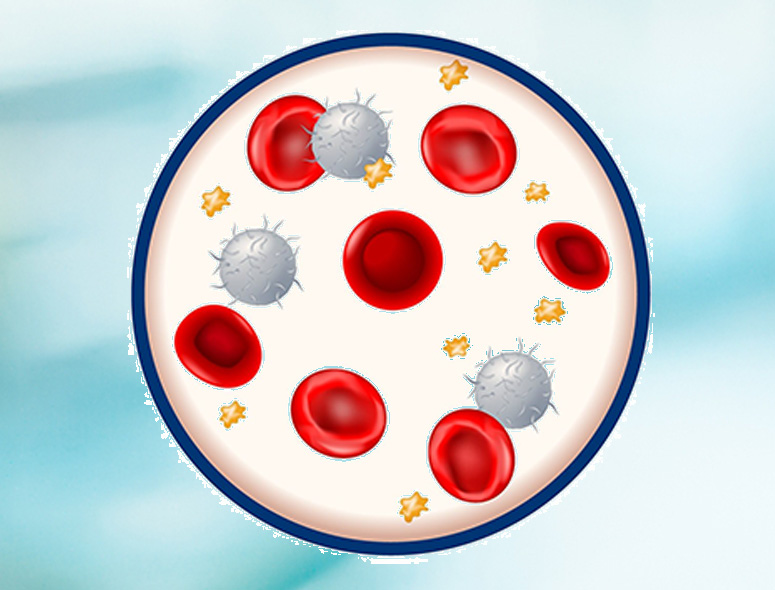
Anaemia
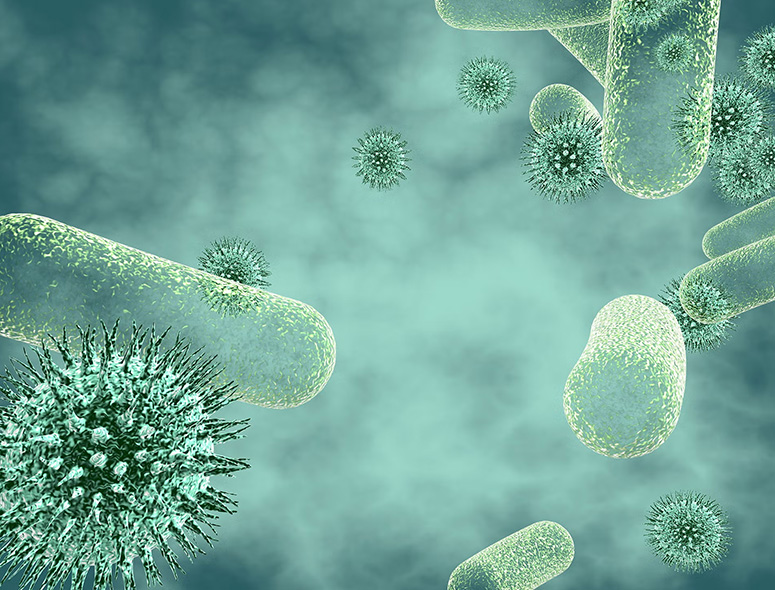
Infections
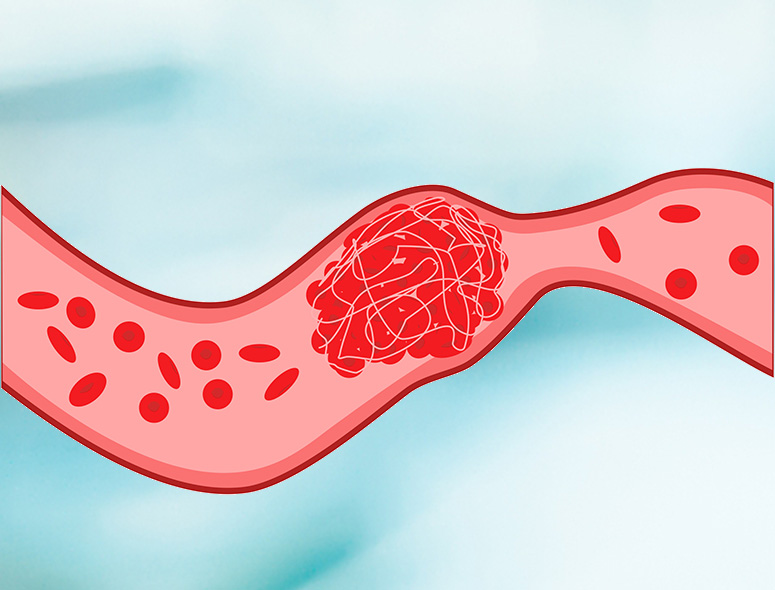
Blood clots
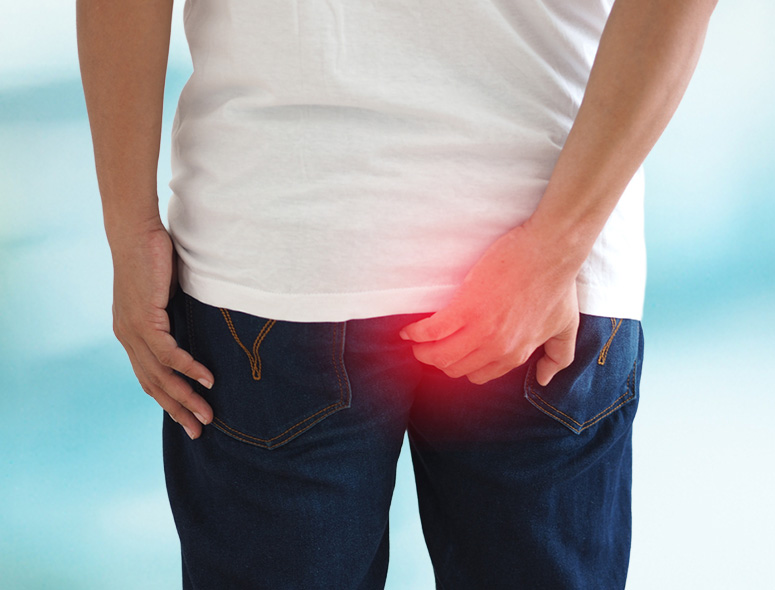
Strangulated haemorrhoids causing severe pain
Why Choose Us?
The Grover Edge
01
World-Class Medical Protocols
Dr. Rajiv Grover adopts international standards of care modelled after leading medical institutes to ensure lasting relief.
02
Science-Backed Methodology
Each treatment plan is evidence-based and rooted in the latest clinical research for improved patient outcomes.
03
Ethical, Compassionate Approach
Our approach incorporates two-way communication, empathy & transparency for improved patient experiences.
04
Advanced Techniques & Treatments
We leverage the latest best practices, advanced techniques and high-end technology for greater accuracy & comfort.
Frequently Asked Questions
Haemorrhoids, commonly known as piles, occurs when the veins in your anus or lower rectum become swollen and enlarged. These swollen, enlarged veins cause anal itching, pain, discomfort, and bleeding. Haemorrhoids can happen both inside and outside the rectum, and are categorized based on the location of the swollen veins:
- Internal Haemorrhoids: Located deep inside the rectum. They are usually painless but are the most common cause of bright red blood in stools.
- External Haemorrhoids: Located under the skin around the anus. Often visible, these are itchy & painful.
- Prolapsed Haemorrhoids where internal haemorrhoids stretch and bulge outside the anus, causing bleeding and pain.
- Thrombosed Haemorrhoids where a blood clot forms in an external haemorrhoid, appearing as painful purple/ blue lump outside the anus.
While haemorrhoids are generally not life-threatening, they are painful and uncomfortable. In rare cases, chronic untreated piles do cause complications including anaemia, extremely painful strangulated haemorrhoids, infections, and blood clots.
The veins in the lower rectum and anus become enlarged and swollen when there is increased pressure on them. Common factors that increase the pressure on these veins and cause haemorrhoids are:
- Chronic Straining: Applying excessive pressure during bowel movements, often due to constipation or diarrhoea.
- Low-Fiber Diet: A diet lacking in fruits, vegetables, and whole grains leads to hard stools that are difficult to pass.
- Prolonged Sitting on Toilet: Spending long periods on the toilet can increase the pressure on anal veins.
- Chronic Constipation or Diarrhoea: Frequent irregularities in bowel habits put consistent stress on the rectal walls.
- Pregnancy: The growing uterus puts pressure on the pelvic veins, and hormonal changes can relax vein walls.
- Aging: As you get older, the tissues that support the veins in your rectum and anus can weaken and stretch.
- Heavy Lifting: Regularly lifting heavy objects can increase intra-abdominal pressure.
- Obesity: Carrying excess body weight, particularly around the abdomen, increases pressure on the pelvic veins.
While ulcerative colitis and haemorrhoids are two different conditions, they often appear together due to shared mechanical strain. Ulcerative Colitis (UC) causes frequent, urgent bowel movements and chronic diarrhoea. This repeated straining and increased frequency put excessive pressure on the veins in the rectum, which directly leads to the development or flare-up of Haemorrhoids.
Even haemorrhoid treatment specialists like Dr. Rajiv Grover will suggest home remedies and lifestyle management as the first step to managing piles. For smaller haemorrhoids, eating more fibre, hydration and changes to toilet habits are effective. However, if a week’s home remedies do not provide relief, you must consult a doctor right away.
Over-the-counter creams can help relieve itching and minor pain, but they do not cure the underlying swollen veins. Note that piles aren’t the only cause of rectal bleeding; rectal bleeding can be caused by colorectal or anal cancers and IBD. For a long-term fix, especially if there is bleeding, a specialist evaluation is necessary.
A vast majority of piles patients do not need surgery. With modern techniques like Endoscopic Band Ligation, Sclerotherapy, and dietary changes, most cases can be resolved without a single surgical incision. Consult Dr. Rajiv Grover, a leading endoscopy specialist in Ludhiana, for expert evaluation and management of haemorrhoids.
Dr. Rajiv Grover, an experienced piles treatment specialist in Ludhiana, leverages an empathetic, personalized approach to effectively manage symptoms and improve your quality of life significantly. He uses a combination of the following in your individualized, multidimensional treatment plan:
- Home Remedies & Lifestyle Management:
- High-fibre diets
- Adequate hydration
- OTC topical creams
- Change in bowel habits
- Soaking in warm water
- Softening stools with laxatives
- Haemorrhoid Creams
- Minimally Invasive therapeutic endoscopic interventions such as:
- Endoscopic Band Ligation (EBL) (to cut off blood flow to piles)
- Sclerotherapy (to shrink haemorrhoid)
- Argon Plasma Coagulation (APC) (non-contact laser therapy for chronic bleed management)
- External Haemorrhoid Thrombectomy
- Surgery: If therapeutic interventions fail, surgery may be necessary.