

Hepatic Coma
Consult Dr. Rajiv Grover, one of the best liver specialists in Ludhiana, for the intensive management of Hepatic Coma, focused on toxin reduction & liver restoration.
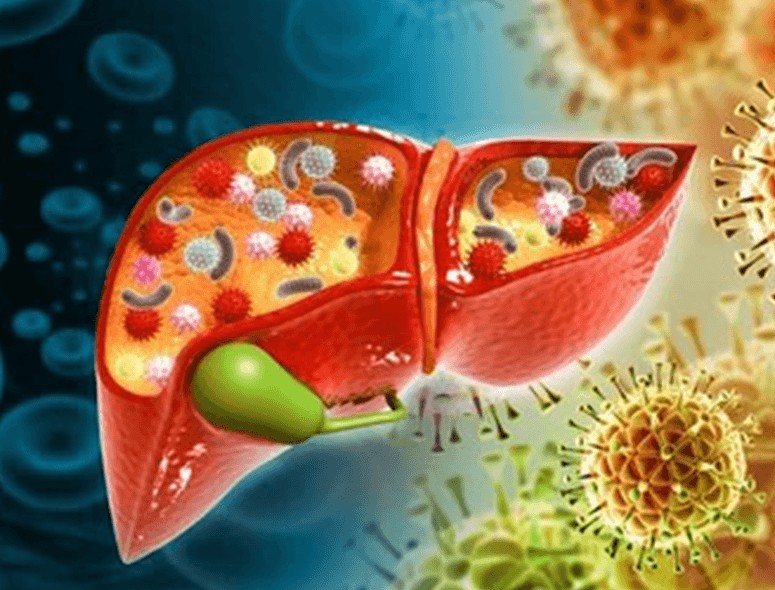
What is Hepatic Coma?
Hepatic Coma or Grade 4 Hepatic Encephalopathy (HE) is a severe, life-threatening but often reversible neurological complication of liver dysfunction. When the liver is too damaged to filter out toxins from the blood, these substances travel to the brain and affects its ability to function, causing disorientation, confusion and erratic behaviour.
The main triggers of Hepatic Encephalopathy and Hepatic Coma are Cirrhosis, liver cancer, acute/ chronic liver failure, alcohol abuse, severe dehydration, and certain medications. With early screening and intensive management by a hepatologist, it is possible to prevent the loss of consciousness in patients with liver diseases.
Symptoms of Hepatic Coma
The defining symptom of Hepatic Coma is the total loss of consciousness and slipping into a deep coma. However, Hepatic Encephalopathy has some telltale signs you can watch out for and prevent the onset of Hepatic Coma.
Confusion/ disorientation
Forgetfulness
Trouble sleeping at night
Personality or behavioural changes
Slurred speech
Motor issues (difficulty writing or mild tremors)
When to See a Doctor for Hepatic Coma?
If the patient has a total loss of consciousness, you should seek emergency medical attention. To prevent a lapse into Hepatic Coma, watch out for these pre-coma red flags:
- Complete disorientation (not knowing where they are)
- Delirium, amnesia, or severe confusion
- Slow thinking/ sluggish movements
- Loss of balance/ tremors/ twitching
- Daytime drowsiness
- Loss of general awareness

Treatment Approach
Dr. Rajiv Grover’s Treatment Approach for Hepatic Coma
Dr. Rajiv Grover, an accomplished hepatologist in Ludhiana, leverages his sharp clinical acumen and modern medical protocols for the intensive management of Hepatic Encephalopathy, preventing its progression into Hepatic Coma. His specialized focus is on reducing toxins in the system and restoring liver function.
Initial Consultation
If the patient has already slipped into a Coma, the first step is emergency protocol initiation. However, if it is a routine consultation for suspected HE, the doctor gathers information about the patient’s personal and family medical history, symptoms, lifestyle, and existing liver diseases through a two-way conversation, followed by a physical examination.
Advanced Diagnosis
The doctor leverages one or more of the following tests for the precision-led diagnosis of the underlying condition causing Hepatic Coma and ruling out other causes.
- Blood tests
- Liver function tests
- MRI/ CT scan
- Doppler Ultrasound
- EEG test for brain activity
Tailored Treatment
Dr. Rajiv Grover follows a science-backed methodology, in line with the international protocols, for the advanced management of Hepatic Encephalopathy and Hepatic Coma.
- Medications including antibiotics, laxatives & supplements to reduce neurotoxins in the blood (which typically originate in the gut).
- Treatment for the urgent trigger like dehydration, electrolyte imbalance, or infections causing HE/ Coma.
- Treatment for underlying liver disease/ condition including medications, liver transplant, and surgery.
- Lifestyle & dietary changes to reduce the risk of progression of hepatic encephalopathy.
Risks & Complications
What Happens If You Leave Hepatic Encephalopathy Untreated?
If you leave Hepatic Coma and Encephalopathy untreated, it causes serious, life-threatening complications.
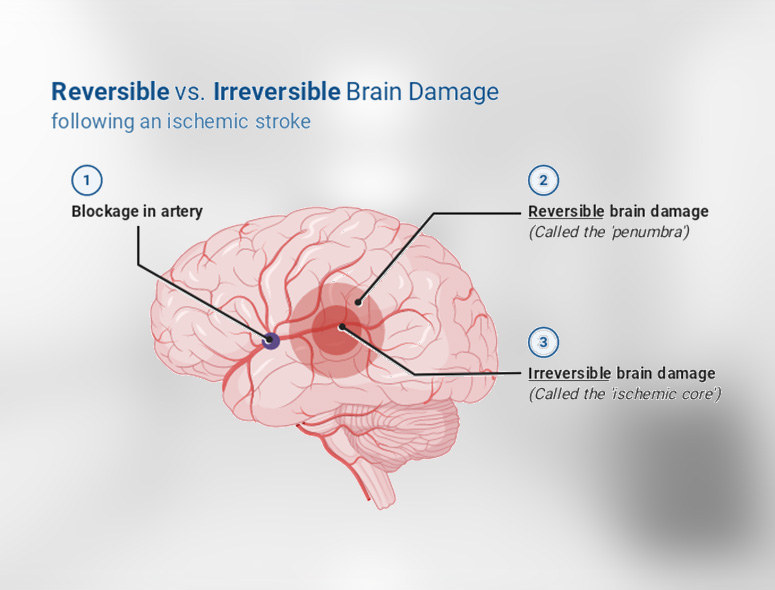
Irreversible brain damage
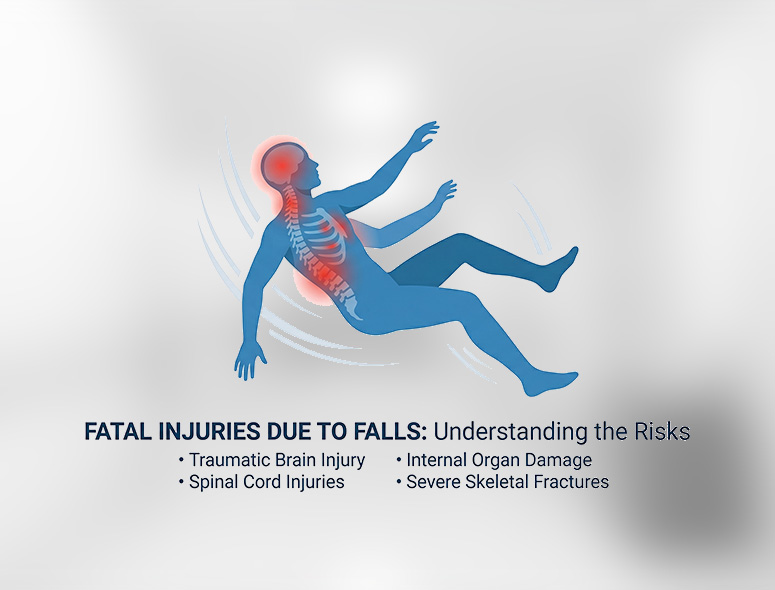
Fatal injuries and falls
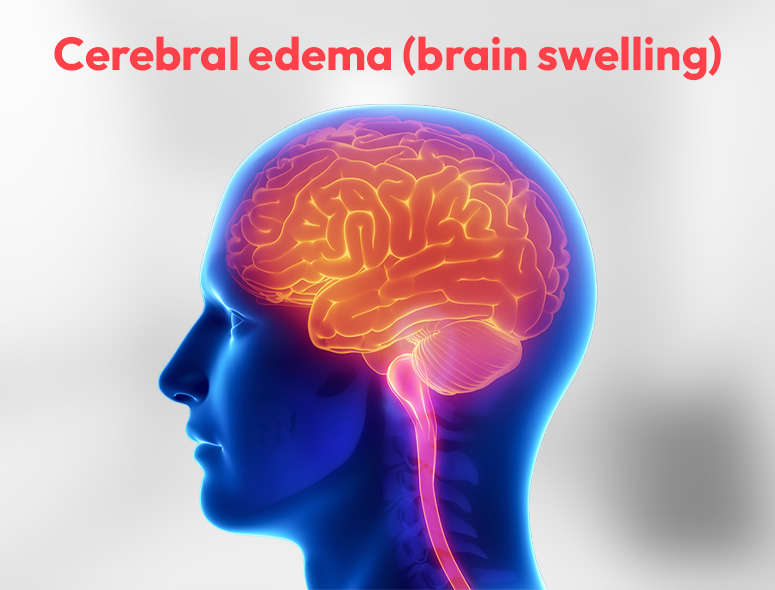
Cerebral edema (brain swelling)

Death
Why Choose Us?
The Grover Edge
01
World-Class Medical Protocols
Dr. Rajiv Grover adopts international standards of care modelled after leading medical institutes to ensure lasting relief.
02
Science-Backed Methodology
Each treatment plan is evidence-based and rooted in the latest clinical research for improved patient outcomes.

03
Ethical, Compassionate Approach
Our approach incorporates two-way communication, empathy & transparency for improved patient experiences.
04
Advanced Techniques & Treatments
We leverage the latest best practices, advanced techniques and high-end technology for greater accuracy & comfort.
Frequently Asked Questions
Hepatic Encephalopathy (HE) is the broad term for brain dysfunction caused by the liver’s inability to filter toxins (like ammonia). it ranges from mild confusion, personality changes, and tremors to severe disorientation.
Hepatic Coma is the most advanced stage (Grade 4) of Hepatic Encephalopathy. At this point, the patient has completely lost consciousness and is unresponsive to stimuli.
While Hepatic Encephalopathy is the disease, Hepatic Coma is the critical, life-threatening end-state of that disease if it is not treated promptly.
In Hepatic Coma, the brain loses total consciousness and is unable to respond to stimuli.
Because the liver is severely damaged, it is not able to filter out neurotoxins, especially ammonia which are naturally produced during digestion. As these neurotoxins accumulate in the bloodstream, they cross the blood-brain barrier and cause the brain to swell (Cerebral Edema). This leads to a complete loss of consciousness where the patient becomes unresponsive to touch, sound, or pain.
While it is a critical emergency, it is often reversible if intensive medical intervention is started immediately to flush the toxins and stabilize liver function.
The main causes of Hepatic Encephalopathy and Hepatic Coma are:
- Cirrhosis
- Chronic liver disease (Viral Hepatitis, Fatty Liver Disease, Alcohol-Associated Fatty Liver, etc.)
- Portosystemic shunts
- Acute/ chronic liver failure
The common triggers of Hepatic Encephalopathy are:
- Alcohol abuse
- Severe dehydration
- Electrolyte imbalance
- Certain medications
- Excessive protein intake
- Kidney disease
- Infections
Unlike coma caused by a direct brain injury, Hepatic Coma is not necessarily permanent. It is possible to completely recover from Hepatic Encephalopathy and Hepatic Coma if
- Coma was triggered by something treatable, such as severe dehydration, a specific infection, or a temporary medication reaction.
- Liver still has some functioning capacity and intensive medical management can restore stability.
- Intervention is prompt and effective
While it is a life-threatening emergency, many patients who receive prompt, specialized care go on to make a full neurological recovery. However, in cases of end-stage liver failure where the liver cannot be stabilized, a liver transplant may be the only path to long-term recovery.
If you notice the following red flags, you should seek medical attention from a liver specialist.
- Complete disorientation (not knowing where they are)
- Delirium, amnesia, or severe confusion
- Slow thinking/ sluggish movements
- Loss of balance/ tremors/ twitching
- Daytime drowsiness
- Loss of general awareness
Dr. Rajiv Grover, an accomplished hepatologist in Ludhiana, leverages his sharp clinical acumen and modern medical protocols for the intensive management of Hepatic Encephalopathy, preventing its progression into Hepatic Coma. His specialized focus is on reducing toxins in the system and restoring liver function.
If the patient has already slipped into a Coma, the first step is emergency protocol initiation. However, if it is routine consultation for suspected HE, the doctor gathers information about the patient’s personal and family medical history, symptoms, lifestyle, and existing liver diseases through a two-way conversation, followed by a physical examination and diagnostic tests.
Dr. Rajiv Grover uses one or more of the following in treating HE.
- Medications including antibiotics, laxatives & supplements to reduce neurotoxins in the blood (which typically originate in the gut).
- Treatment for the urgent trigger like dehydration, electrolyte imbalance, or infections causing HE/ Coma.
- Treatment for underlying liver disease/ condition including medications, liver transplant, and surgery.
- Lifestyle & dietary changes to reduce the risk of progression of hepatic encephalopathy.