
Esophageal Cancer
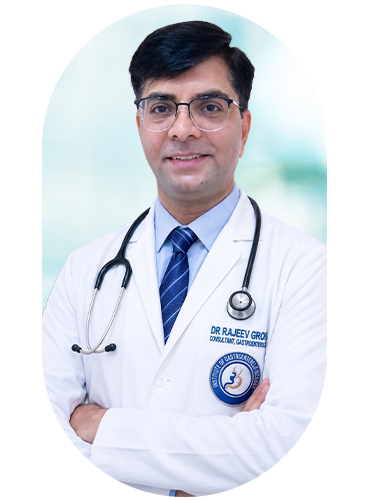
Consult Dr. Rajiv Grover, one of the best gastroenterologists in Ludhiana, for proactive risk profiling and specialized management of esophageal cancers.
What is Esophageal Cancer?
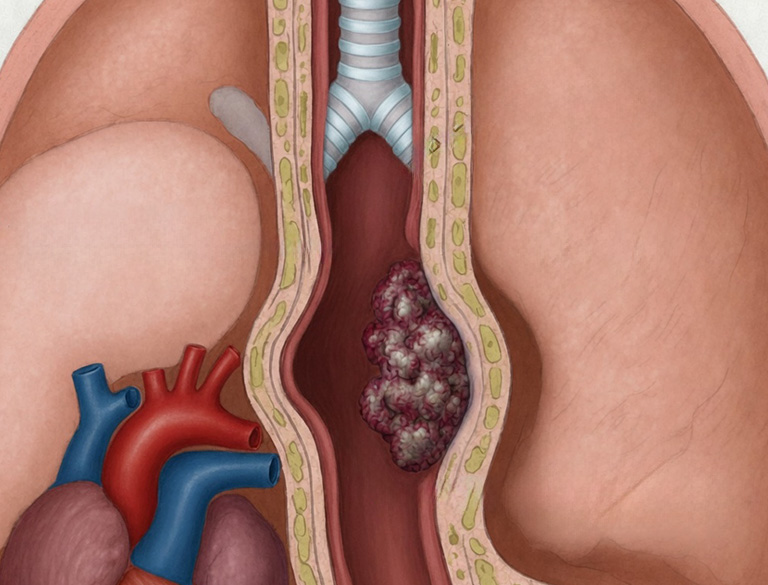
Esophageal cancer happens when cancerous cells grow and multiply in the food pipe/ esophagus, creating tumours. This type of GI cancer can develop in the tissues that make mucus or in the cells on the lining of your esophagus. Chronic irritation from GERD and smoking are major contributors to throat cancer. Advanced age, family history, smoking, and alcohol consumption are the biggest risk factors for esophageal cancers. Catching changes early in the food pipe is the most effective way to ensure a successful recovery.
Symptoms of Esophageal Cancer
Esophageal cancer may not show any symptoms in the early stages; symptoms start appearing only when the disease has progressed. If you notice any of these symptoms, you must consult your gastroenterologist immediately.
Difficulty or painful swallowing
Coughing/ hoarseness
Chest pain/ pressure/ burning
Worsening indigestion/ heartburn
Coughing/ vomiting blood
Unexplained weight loss
Note: Proactive risk profiling, early screening, and early interventions are critical to stop esophageal cancers from progressing.
Treatment Approach
Dr. Rajiv Grover’s Treatment Approach for Esophageal Cancer
Dr. Rajiv Grover, a highly respected gastroenterologist in the Ludhiana region, leverages a specialized approach for the management of esophageal cancers and malignancies. He focuses on proactive risk profiling and early screenings to catch malignancies in their most treatable stages and advanced therapeutic interventions to control disease progression and improve patient’s quality of life.
Initial Consultation
In the first, deep-dive consultation, the doctor gathers information about your medical history, lifestyle, and symptoms through a two-way conversation, followed by a physical examination to look for visible signs of the disease.
Advanced Diagnosis
The doctor leverages one or more of the following tests to diagnose and stage the cancer.
- Barium swallow study
- CT scan
- Upper GI Endoscopy
- Endoscopic Ultrasound (EUS)
- Biopsy
- Blood tests
Tailored Treatment
The doctor develops an individualized treatment plan based on the stage and location of the tumour.
- Esophagectomy (for early stages)
- Endoscopic Submucosal Dissection (ESD)
- Endoscopic Mucosal Resection (EMR)
- Endoscopic laser therapy
- Targeted drug therapy
- Chemotherapy
- Radiation therapy
- Immunotherapy
- Palliative care
- Nutritional support
Risks & Complications
What Happens If You Leave Esophageal Cancer Untreated?
The consequence of untreated esophageal cancer is terminal. They both reduce life expectancy significantly through complications like:

Dehydration & starvation
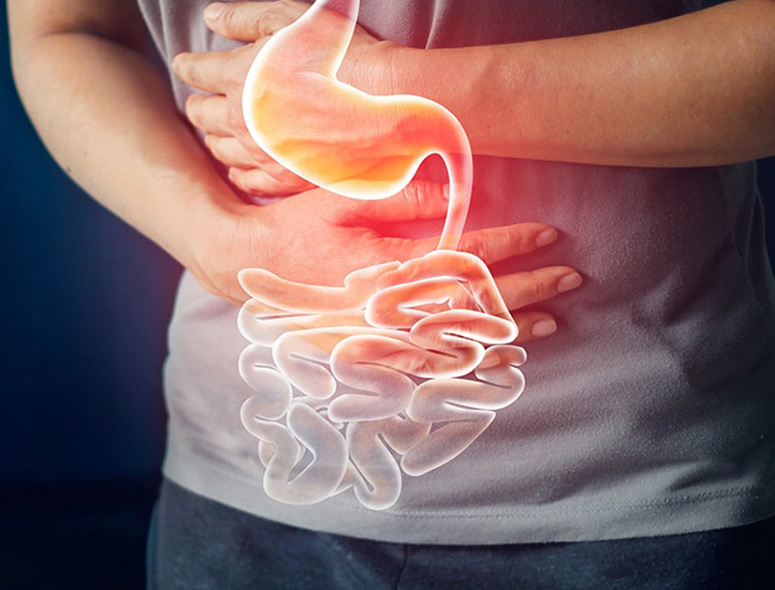
Severe internal bleeding
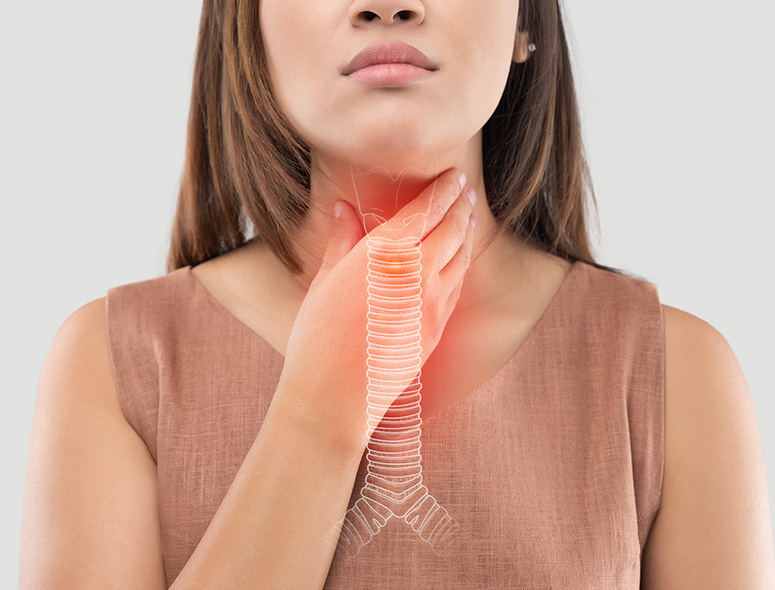
Fatal airway obstructions
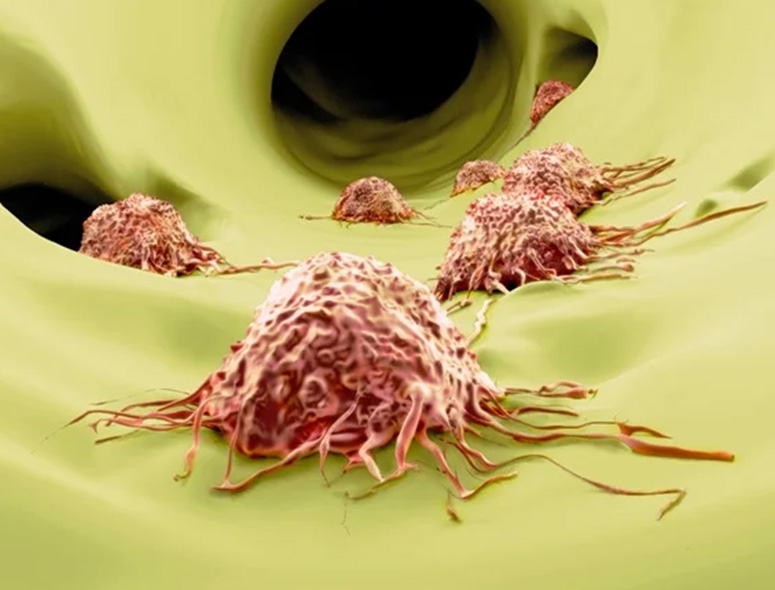
Metastasis & organ failure
Why Choose Us?
The Grover Edge
01
World-Class Medical Protocols
Dr. Rajiv Grover adopts international standards of care modelled after leading medical institutes to ensure lasting relief.
02
Science-Backed Methodology
Each treatment plan is evidence-based and rooted in the latest clinical research for improved patient outcomes.
03
Ethical, Compassionate Approach
Our approach incorporates two-way communication, empathy & transparency for improved patient experiences.
04
Advanced Techniques & Treatments
We leverage the latest best practices, advanced techniques and high-end technology for greater accuracy & comfort.
Frequently Asked Questions
Yes, esophageal cancer is treatable if identified early. Dr. Rajiv Grover, a highly respected GI specialist in the Ludhiana region, leverages a combination of endoscopic interventions, targeted drug therapies, immunotherapy, and chemotherapy to treat throat cancer with a focus on improving life expectancy
Yes. While not always entirely preventable, the risk can be significantly lowered by managing chronic acid reflux (GERD) to prevent Barrett’s Esophagus (a pre-cancerous change) and by avoiding tobacco and excessive alcohol. Early detection through regular screenings is the most effective way to stop these cancers before they start.
The goal of esophageal cancer treatment is to preserve your ability to swallow. In cases where the tumour causes a food pipe blockage, Dr. Rajiv Grover can place a temporary stent or provide specialized nutritional therapy to keep you strong.
No. Biopsies are performed during an upper GI endoscopy while you are under sedation. You will not feel the sample being taken.
EMR (Endoscopic Mucosal Resection) and ESD (Endoscopic Submucosal Dissection) are advanced, minimally invasive procedures that allow healthcare professionals to remove early-stage cancerous or precancerous growths directly through an endoscope, without the need for major open surgery.
While EMR is typically used to lift and snip smaller lesions, ESD is a highly specialized technique where precision micro-tools are used to peel a tumour away from the deeper layers of the food pipe in a single, complete piece.
Dr. Rajiv Grover, a leading ESD and EMR specialist in Ludhiana, utilizes these techniques because they help you to keep your esophagus intact. Unlike traditional surgery which often involves removing the food pipe entirely (esophagectomy), EMR and ESD offer a much faster recovery, less pain, and no external scarring. Because the tumour is removed in one piece, the pathology team can confirm with 100% accuracy that all margins are clear, significantly reducing the risk of the cancer returning.
Dr. Rajiv Grover, a highly respected gastroenterologist in the Ludhiana region, leverages a specialized approach for the management of GI cancers and malignancies. He focuses on proactive risk profiling and early screenings through precision diagnostic methods to catch malignancies in their most treatable stages. He uses advanced therapeutic interventions to control disease progression, manage symptoms, and improve patient’s quality of life.
He develops an individualized treatment plan based on the stage and location of the tumour.
- Esophagectomy (for early stages)
- Endoscopic Submucosal Dissection (ESD)
- Endoscopic Mucosal Resection (EMR)
- Endoscopic laser therapy
- Targeted drug therapy
- Chemotherapy
- Radiation therapy
- Immunotherapy
- Nutritional support