
Rectal Bleeding
Consult Dr. Rajiv Grover, a highly accomplished gastroenterologist in Ludhiana, for the expert management of rectal bleeding and its underlying causes.
What is Rectal Bleeding?
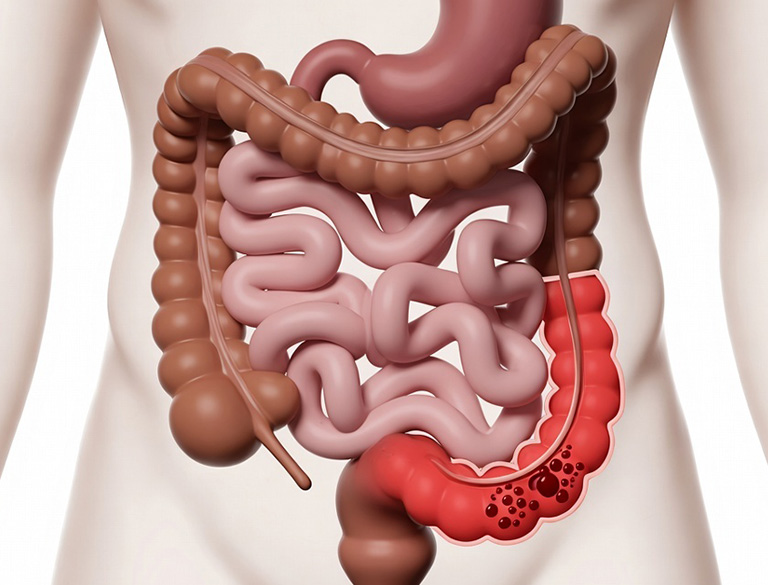
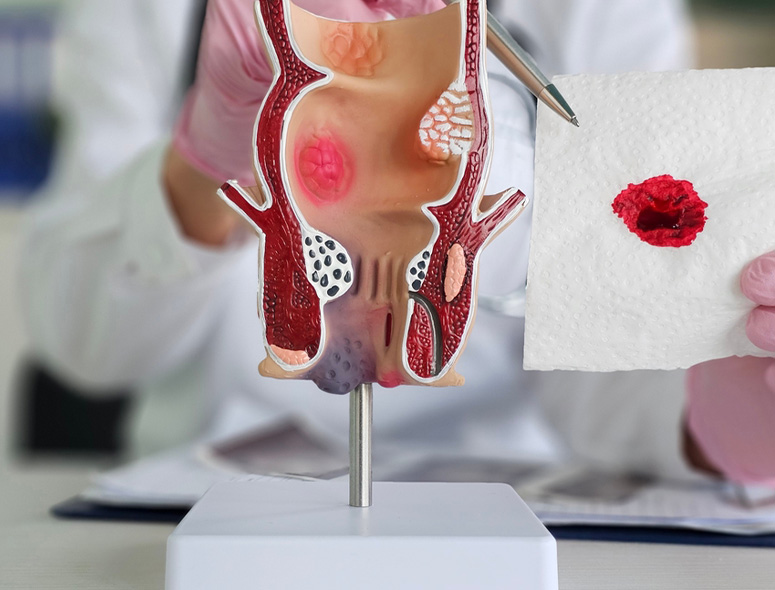
Rectal bleeding refers to the passage of blood from your anus, often appearing as bright red streak on toilet paper, bright red/ dark red blood mixed with stools, or black, tarry stools. Even though you may bleed through your anus, the actual source could be anywhere in your gastrointestinal tract (stomach, small intestine, colon, rectum, anus). Rectal bleeding, though not a disease by itself, is a symptom of different conditions such as Ulcerative Colitis (a type of Inflammatory Bowel Disease), haemorrhoids, anal fissures, and colorectal cancer. While not all bleeds are medical emergencies, it is critical to identify the source and cause of the bleed to prevent long-term complications.
Symptoms of Rectal Bleeding
While blood in stools/ toilet paper/ bowl is the primary sign, rectal bleeding may often present with additional symptoms.
Stools or diarrhoea with blood/ pus/ mucus
Abdominal cramping/ pain
Urgent, sudden need to defecate
Anal pain/ ache/ itchiness
Fever/ fatigue/ reduced appetite/ weight loss
Extraintestinal symptoms (eye or skin irritation/ joint pain/ mouth ulcers)
When to See a Doctor for Rectal Bleeding?
It is critical get immediate medical help, if you notice any of the following warning signs.
- Heavy bleeding/ continuous bleeding for 1-2 days
- Black, tarry, or maroon stools
- Dizziness/ light-headedness/ fainting spells
- Severe abdominal pain or cramping
Treatment Approach
Dr. Rajiv Grover’s Treatment Approach for Rectal Bleeding
Dr. Rajiv Grover, a trusted digestive disorder specialist in Ludhiana, leverages advanced diagnostics, therapeutic interventions, and lifestyle modifications to not just manage rectal bleeds but treat underlying conditions like IBD, anal fissures & Haemorrhoids, and prevent long-term complications.
Initial Consultation
In the first, deep-dive consultation, the doctor gathers information about your medical history and symptoms through a two-way conversation, followed by a physical examination.
Advanced Diagnosis
The doctor leverages purposeful tests to identify the source of the leak and the underlying causes.
- Blood tests (infections, anaemia)
- Stool sample test (infections, inflammation, occult/ active bleeds)
- CT scans/ GI X-rays
- Colonoscopy
- Flexible Sigmoidoscopy
- Anoscopy/ proctoscopy
Tailored Treatment
The treatment for rectal bleeding depends upon the underlying cause, as well as, the source and severity of the bleed. Dr. Rajiv Grover, a leading authority in therapeutic colonoscopy in the Ludhiana region, may use a combination of the following in your individualized treatment plan:
- Medications for underlying causes (infections, fissures, haemorrhoid
- Therapeutic endoscopic interventions such as:
- Endoscopic Band Ligation (EBL) for Haemorrhoids
- Polypectomy for the removal of lower GI polyps
- Argon Plasma Coagulation (APC) (non-contact laser therapy for chronic bleed management)
- Surgery: If medications and therapeutic interventions fail, surgery may be necessary
- Lifestyle and dietary modifications
Risks & Complications
What Happens If You Leave Rectal Bleeding Untreated?
Due to the loss of blood, the complications of untreated/ delayed treatment of rectal bleeding are severe.
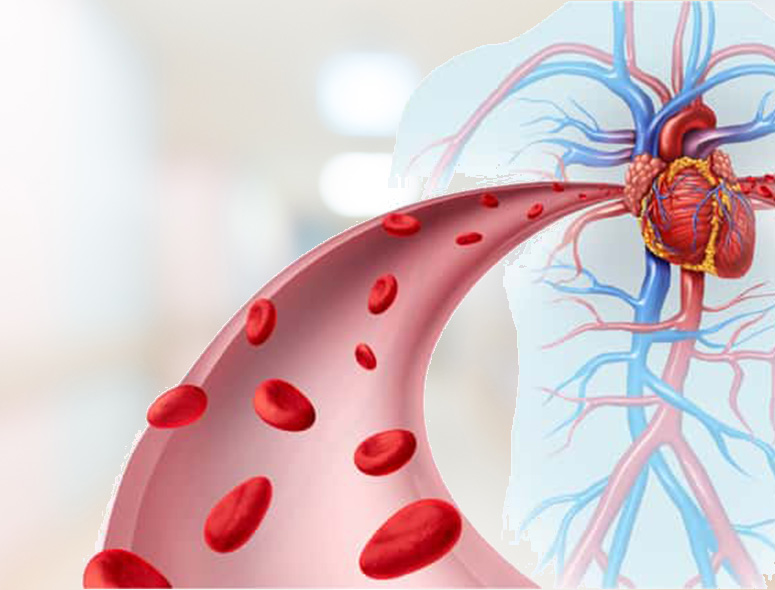
Severe anaemia & decreased quality of life
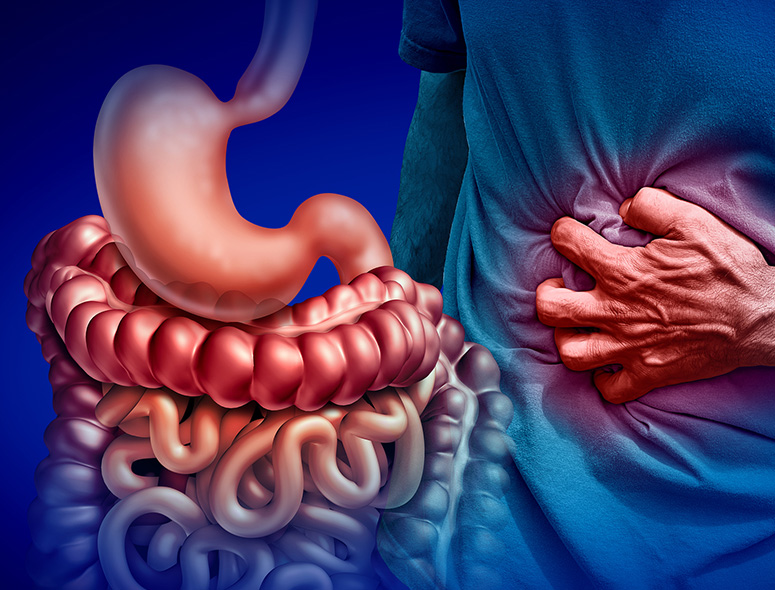
Progressive IBD & bowel perforation
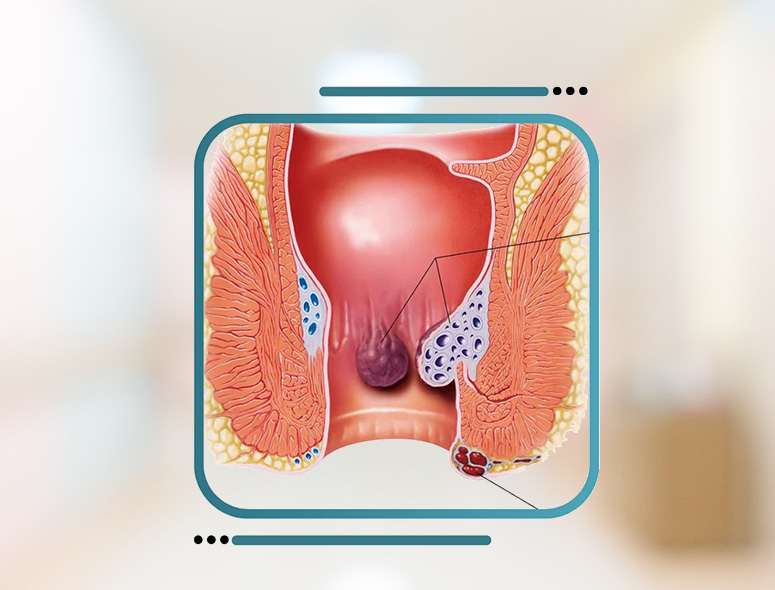
Severe haemorrhoids that may require surgery
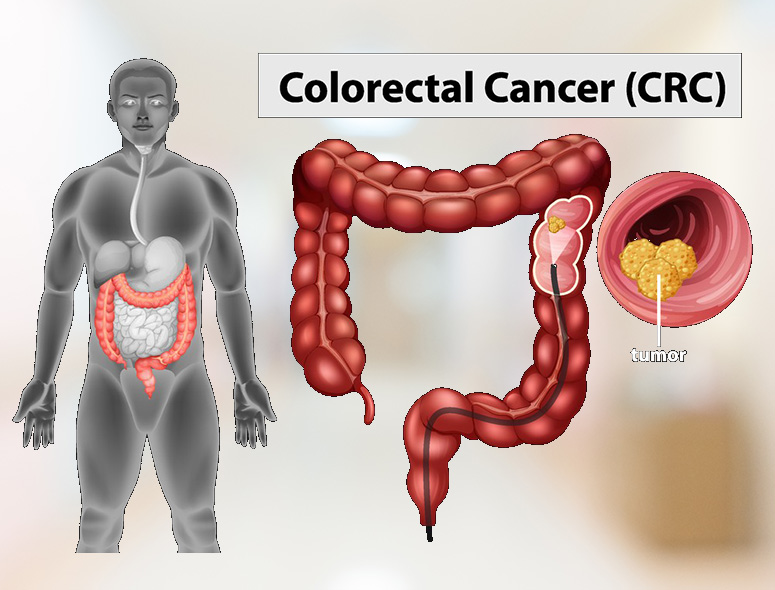
Colorectal cancer turning untreatable
Why Choose Us?
The Grover Edge
01
World-Class Medical Protocols
Dr. Rajiv Grover adopts international standards of care modelled after leading medical institutes to ensure lasting relief.
02
Science-Backed Methodology
Each treatment plan is evidence-based and rooted in the latest clinical research for improved patient outcomes.

03
Ethical, Compassionate Approach
Our approach incorporates two-way communication, empathy & transparency for improved patient experiences.
04
Advanced Techniques & Treatments
We leverage the latest best practices, advanced techniques and high-end technology for greater accuracy & comfort.
Frequently Asked Questions
Rectal bleeding refers to the passage of blood from your anus, often appearing as bright red streak on toilet paper, bright red/ dark red blood mixed with stools, or black, tarry stools. Rectal bleeding, though not a disease by itself, is a symptom of different conditions such as Ulcerative Colitis (a type of Inflammatory Bowel Disease), haemorrhoids, anal fissures, and colorectal cancer.
While it is often caused by manageable conditions like haemorrhoids or fissures, all rectal bleeding should be evaluated by a specialist. It is considered serious if it is persistent, heavy, or accompanied by symptoms like weight loss, as it may indicate Ulcerative Colitis (IBD) or colorectal malignancy.
Rectal bleeding is a primary symptom of underlying conditions like:
- Anal fissures
- Constipation
- Hard stools
- Haemorrhoids
- Colorectal cancer
- Crohn’s Disease
- Ulcerative Colitis
- Diverticulitis
Yes, rectal bleeding is often curable. Based on the underlying condition, the doctor will decide on the best course of treatment. For rectal bleeding caused by conditions like anal fissures, constipation, or haemorrhoids are highly treatable with lifestyle changes, OTC medication, and minimally invasive endoscopic procedures.
It is critical get immediate medical help, if you notice any of the following warning signs.
- Heavy bleeding/ continuous bleeding for 1-2 days
- Black, tarry, or maroon stools
- Dizziness/ light-headedness/ fainting spells
- Severe abdominal pain or cramping
It is best to consult an expert like Dr. Rajiv Grover, leading GI specialist in Ludhiana, for the accurate evaluation and effective treatment.
The risk of developing rectal bleeding increases with:
- Genetic factors
- Family history of underlying causes like ulcerative colitis or colorectal cancers
- Age
- Dietary habits
- Obesity
- Chronic Stress
Dr. Rajiv Grover, a trusted digestive disorder specialist in Ludhiana, leverages advanced diagnostics, therapeutic interventions, and lifestyle modifications to not just manage rectal bleeds but treat underlying conditions like IBD & Haemorrhoids, and prevent long-term complications. The doctor leverages purposeful tests such as lab tests, imaging, colonoscopy, flexible Sigmoidoscopy, and anoscopy/ proctoscopy to identify the source of the leak and the underlying causes.
The treatment for rectal bleeding depends upon the underlying cause, as well as, the source and severity of the bleed. Dr. Rajiv Grover, a leading authority in therapeutic colonoscopy in the Ludhiana region, may use a combination of the following in your individualized treatment plan:
- Medications for underlying causes
- Therapeutic endoscopic interventions such as:
- Endoscopic Band Ligation (EBL) for Haemorrhoids
- Polypectomy for the removal of lower GI polyps
- Argon Plasma Coagulation (APC) (non-contact laser therapy for chronic bleed management)
- Surgery: If medications and therapeutic interventions fail, surgery may be necessary
- Lifestyle and dietary modifications