

Upper GI Bleeding
Consult Dr. Rajiv Grover, a distinguished gastroenterologist in Ludhiana, for lifesaving, timely stabilization of upper GI bleeding and the elimination of the risks of recurrence.
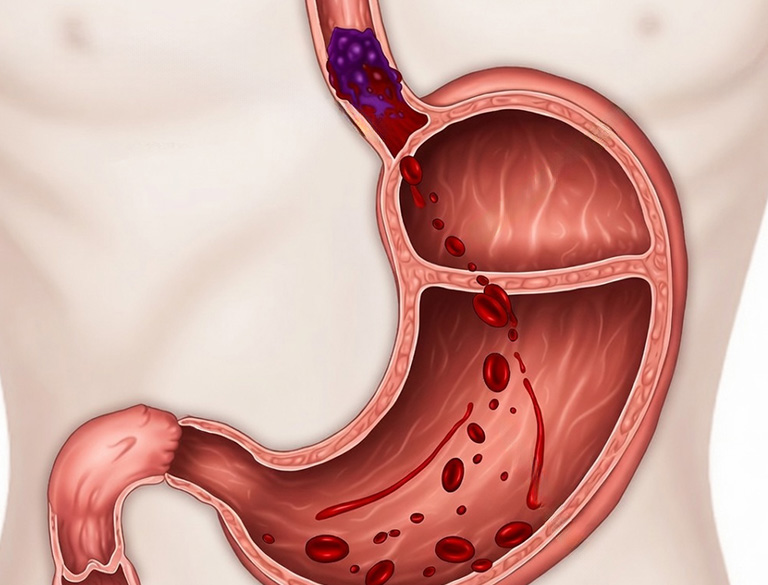
What is Upper GI Bleeding?
Upper Gastrointestinal (GI) Bleeding is a common, often acute GI emergency that is caused by internal bleeding in the upper part of the digestive tract (stomach, esophagus or duodenum). Such bleeds are primarily caused by peptic ulcers, esophageal varices, severe GERD, chronic acidity, and cancers. Upper GI bleed can be acute (sudden, short-term) or chronic (recurrent, long-term), occult (microscopic, invisible bleeds), overt (blood vomit), or obscure (standard endoscopy doesn’t reveal the source). Precision-led diagnostics are critical in locating he source and thereon treating upper GI bleeding and preventing its recurrence.
Symptoms of Upper GI Bleeding
The symptoms of upper GI bleeding vary depending upon its type, location, and severity of bleeding. Common symptoms include:
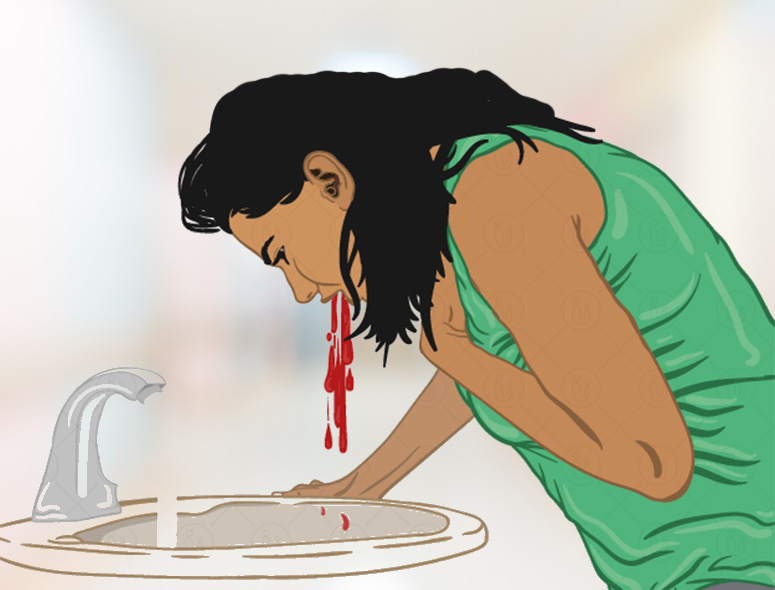
Vomiting blood (in red, dark brown, or coffee grounds colour)
Lightheadednes/ fainting spells/ dizziness
Abdominal pain/ cramping
Difficulty breathing/ rapid breathing
Weakness/ fatigue/ tiredness
Pale appearance
Note: In case of acute upper GI bleeding, the symptoms are sudden and severe including dizziness, shock, difficulty urinating, and rapid pulse.
When to See a Doctor for Upper GI Bleeding?
It is critical get immediate medical help, if you notice any of the following warning signs.
- Symptoms of shock (cold, clammy skin, confusion, rapid pulse)
- Active blood vomiting
- Rapid breathing/ difficulty breathing
- Changes in behaviour or mental status
Treatment Approach
Dr. Rajiv Grover’s Treatment Approach for Upper GI Bleeding
Dr. Rajiv Grover, a highly experienced gastroenterologist and hepatologist in the Ludhiana region, ensures not just the timely stabilization of upper GI bleeds but identifies the root cause and proactively prevents the risk of recurrence.
Initial Consultation
In the first, deep-dive consultation, the doctor gathers information about your medical history and symptoms through a two-way conversation, followed by a physical examination.
Advanced Diagnosis
The doctor leverages purposeful tests to identify the source of the leak and the underlying causes.
- Blood tests including anaemia test & clotting ability
- CT scans/ GI X-rays
- Upper GI endoscopy
- Capsule endoscopy for the small intestine
- Balloon-assisted enteroscopy for obscure bleeds
Note: If non-invasive and minimally invasive tests are unable to reveal the source of the bleed, a surgery may be necessary for the doctor to view the entire small intestine.
Tailored Treatment
The treatment for upper GI bleeding depends upon the root cause, as well as, the source and severity of the bleed. Dr. Rajiv Grover, a leading authority in interventional endoscopy in the Ludhiana region, may use a combination of the following in your individualized treatment plan:
- Medications for:
- Underlying cause like ulcers/ GERD
- Blood clotting
- Relieving swelling
- Therapeutic endoscopic interventions such as:
- Polypectomy for the removal of upper GI polyps
- Endoscopic variceal litigation (EVL) banding
- Gastric varix glue injection therapy
- OVESCO clip Application
- Argon Plasma Coagulation (APC) (non-contact laser therapy for chronic bleed management)
Risks & Complications
What Happens If You Leave Upper GI Bleeding Untreated?
Due to the loss of blood, the complications of untreated/ delayed treatment of upper GI bleeding are severe.
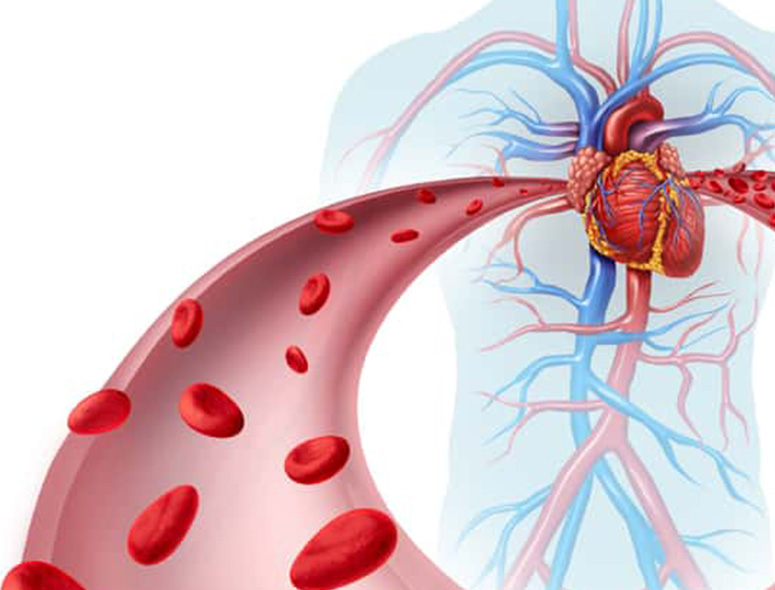
Severe anaemia & decreased quality of life
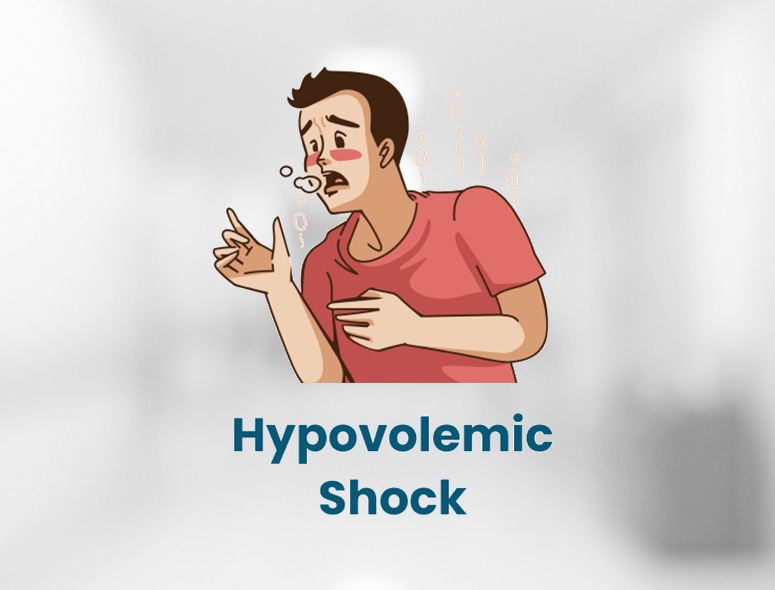
Hypovolemic shock & multiple organ failure
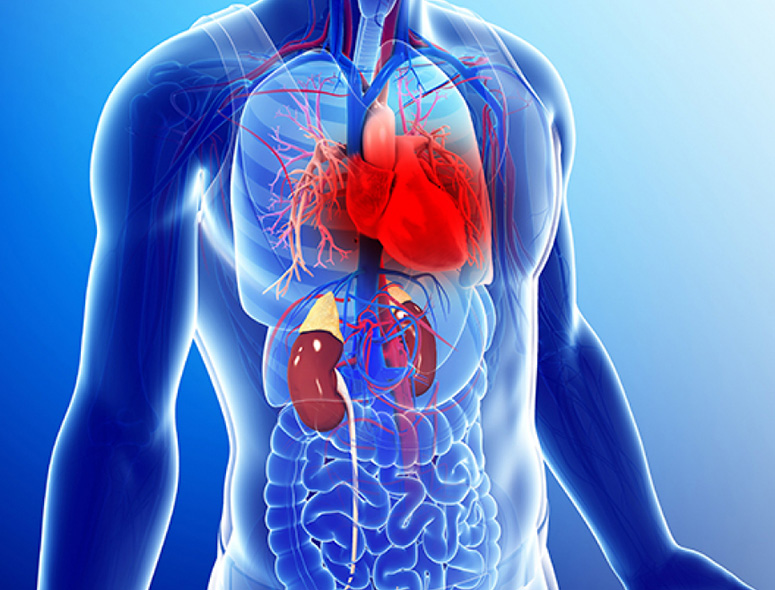
Kidney damage/ heart attacks
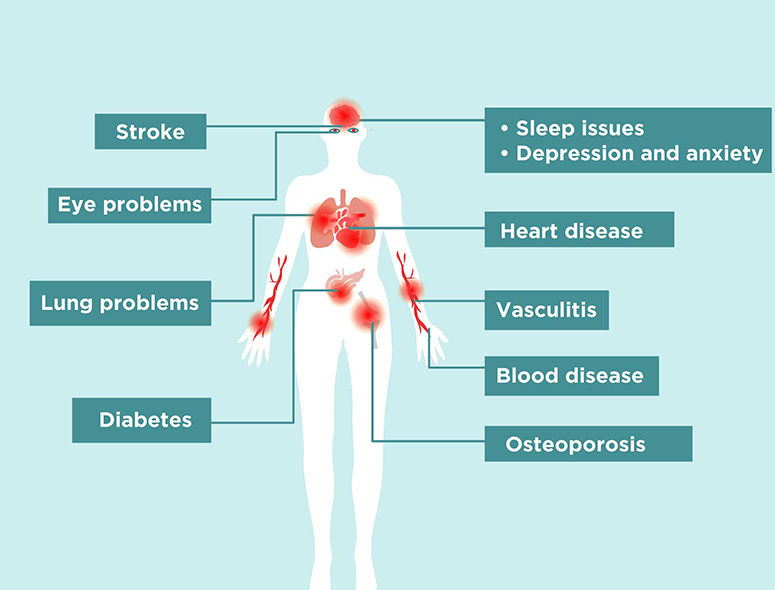
Death especially if you have co-morbidities
Why Choose Us?
The Grover Edge
01
World-Class Medical Protocols
Dr. Rajiv Grover adopts international standards of care modelled after leading medical institutes to ensure lasting relief.
02
Science-Backed Methodology
Each treatment plan is evidence-based and rooted in the latest clinical research for improved patient outcomes.

03
Ethical, Compassionate Approach
Our approach incorporates two-way communication, empathy & transparency for improved patient experiences.
04
Advanced Techniques & Treatments
We leverage the latest best practices, advanced techniques and high-end technology for greater accuracy & comfort.
Frequently Asked Questions
Upper GI bleeding is primarily caused by disorders affecting the stomach, esophagus, and duodenum (upper part of the small intestine), including:
- Peptic ulcers (sores on the inner lining of the stomach/ small intestine)
- Mallory-Weiss tears (tears in the esophageal lining)
- Esophageal varices (enlarged veins in the esophagus)
- Severe GERD & chronic acidity
- Abnormal growths/ polyps in the upper digestive tract
- Upper GI cancers
- Portal hypertensive gastropathy
- Hiatal hernia
The symptoms of upper GI bleeding depend on the type, location and severity of bleeding. Common symptoms include:
- Vomiting blood (in red, dark brown, or coffee grounds colour)
- Lightheadednes/ fainting spells/ dizziness
- Abdominal pain/ cramping
- Difficulty breathing/ rapid breathing
- Weakness/ fatigue/ tiredness
- Pale appearance
Note: In case of acute upper GI bleeding, the symptoms are sudden and severe including dizziness, shock, difficulty urinating, and rapid pulse.
The following are the warning signs that indicate you need to get immediate medical help:
- Symptoms of shock (cold, clammy skin, confusion, rapid pulse)
- Active blood vomiting
- Rapid breathing/ difficulty breathing
- Changes in behaviour or mental status
Yes, it is possible to have upper GI bleeding without seeing blood. This type is called Occult Bleeding wherein you only notice symptoms like fatigue, dizziness, shortness of breath, tiredness, and pale appearance.
Dr. Rajiv Grover, a leading endoscopy specialist in Ludhiana, leverages purposeful tests to identify the source of the leak and the underlying causes.
- Diagnostic endoscopy:
- Upper GI endoscopy
- Capsule endoscopy for the small intestine
- Balloon-assisted enteroscopy for obscure bleeds
- Other tests:
- Blood tests including anaemia test & clotting ability
- CT scans/ GI X-ray
Note: If non-invasive and minimally invasive tests are unable to reveal the source of the bleed, a surgery may be necessary for the doctor to view the entire small intestine.
Dr. Rajiv Grover ensures not just the timely stabilization of upper GI bleeds but identifies the root cause and proactively prevents the risk of recurrence. Using precision-led diagnostic endoscopy and other tests, he identifies the source of the leak, its severity, and underlying causes. Based on this, Dr. Grover, a leading authority in interventional endoscopy in the Ludhiana region, uses a combination of the following to treat the bleed:
- Medications for:
- Underlying cause like ulcers/ GERD
- Blood clotting
- Relieving swelling
- Therapeutic endoscopic interventions such as:
- Polypectomy for the removal of upper GI polyps
- Endoscopic variceal litigation (EVL) banding
- Gastric varix glue injection therapy
- OVESCO clip Application
- Argon Plasma Coagulation (APC) (non-contact laser therapy for chronic bleed management)
The primary difference lies in the location and the appearance of the blood:
- Upper GI Bleeding: Originates in the esophagus, stomach, or duodenum. It often results in vomiting blood in red/ brown/ coffee ground colour as the blood is partially digested by stomach acid.
- Lower GI Bleeding: Originates in the colon, rectum, or anus. It typically presents as bright red blood in or on the stool (Hematochezia), as the blood has not been exposed to stomach acid.