
Ascites
Consult Dr. Rajiv Grover, a distinguished digestive and liver specialist in Ludhiana, for multidimensional management of abdominal fluid retention and its underlying causes.
What is Ascites?
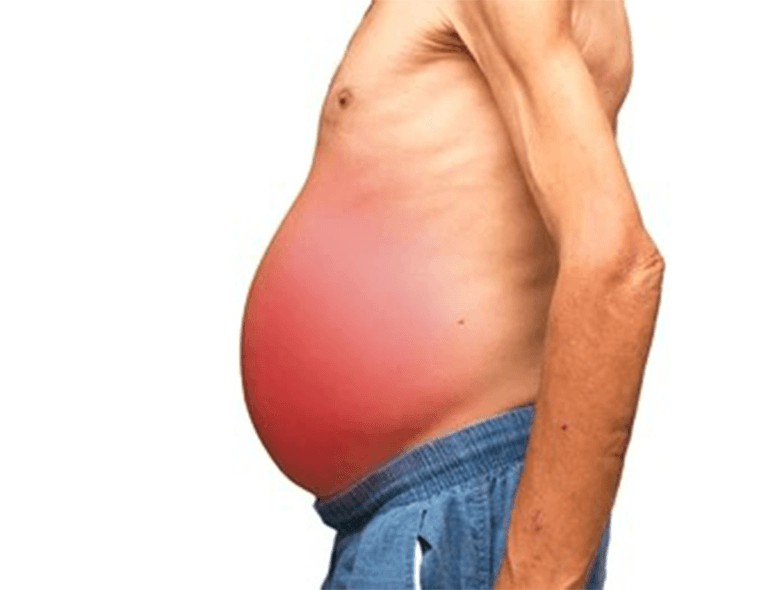
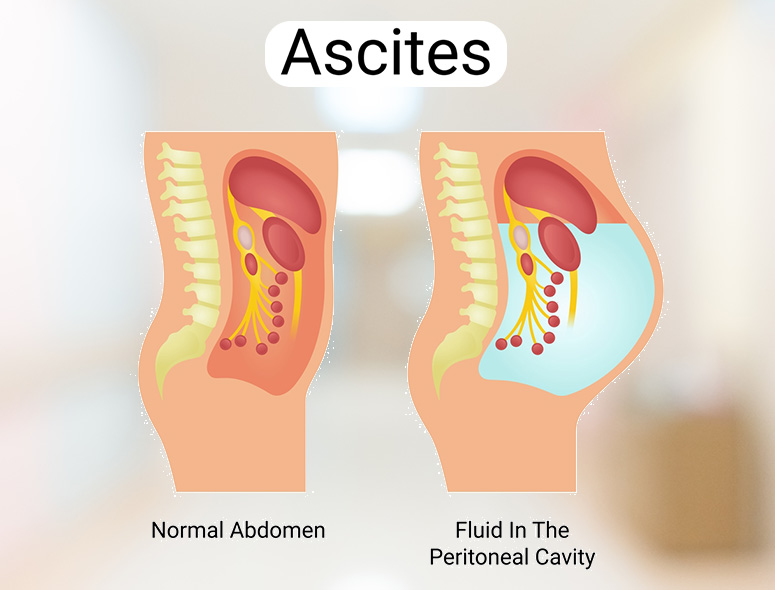
Ascites is a condition causing a swollen belly due to fluid collecting in your abdomen between the two layers of the peritoneum (the tissue covering your abdominal organs like the stomach, intestines and liver). Such fluid buildup causes significant discomfort, restricts movement, and in severe cases, persistent pain. While Ascites is most commonly a complication of liver cirrhosis, it can also be triggered by ovarian and bladder cancer, low protein levels, dialysis, and heart conditions. Because the fluid can become infected or lead to kidney failure, early intervention by a hepatologist is critical to safeguarding your health.
Symptoms of Ascites
Large, watermelon-like belly
Weight gain
Swelling in ankles or lower legs (edema)
Digestive issues (indigestion, constipation, bloating, pain)
Fatigue/ constant feeling of heaviness
Difficulty in movement/ sitting down/ back pain
When to See a Doctor for Ascites?
Ascites can escalate into severe infection or respiratory distress. It is critical to get immediate medical help, if you notice any of the following warning signs.
- Rapid weight gain (more than 1 kg per day for 3 days in a row)
- Worsening abdominal pain/ tenderness
- Shortness of breath/ difficulty breathing when lying flat
- Mental changes or sudden confusion
- Any fever above 100.5 degree Fahrenheit
- Persistent nausea or loss of appetite
Treatment Approach
Dr. Rajiv Grover’s Treatment Approach for Ascites
Dr. Rajiv Grover, one of the most trusted hepatologists in Ludhiana, leverages a multidimensional, patient-focused approach to effectively manage abdominal fluid retention. His specialized focus is on early screening and interventions to prevent long-term complications and not just manage symptoms.
Initial Consultation
In the first, deep-dive consultation, the doctor gathers information about your medical history and symptoms through a two-way conversation, followed by a physical examination to check your belly for fluid buildup.
Advanced Diagnosis
The doctor uses one or more tests to confirm the diagnosis, identify underlying causes, and get you started with the right treatment:
- Blood tests:
- Liver function test
- Kidney function test
- Protein tests
- Urinalysis
- Ultrasound
- MRI or CT scan
- Paracentesis: Testing of belly fluid sample collected using a fine needle.
Tailored Treatment
The core focus of ascites treatment is to reduce the fluid build up in the belly in order to prevent long-term complications. The doctor typically uses one or more of the following in your individualized treatment plan based on the root cause and stage of ascites.
- Strict low-sodium diets and limiting salt intake
- Diuretics (water pills) for reducing fluid buildup
- Limiting fluid intake if sodium levels are low
- Complete alcohol avoidance
- Antibiotics for treating infections
- Vaccinations for Hepatitis A & B
- Therapeutic abdominal tapping to safely remove large amounts of fluid
- Transjugular Intrahepatic Portosystemic Shunt (TIPS) to ease pressure in liver veins
- Liver transplantation in severe cases
Risks & Complications
What Happens If You Leave Ascites Untreated?
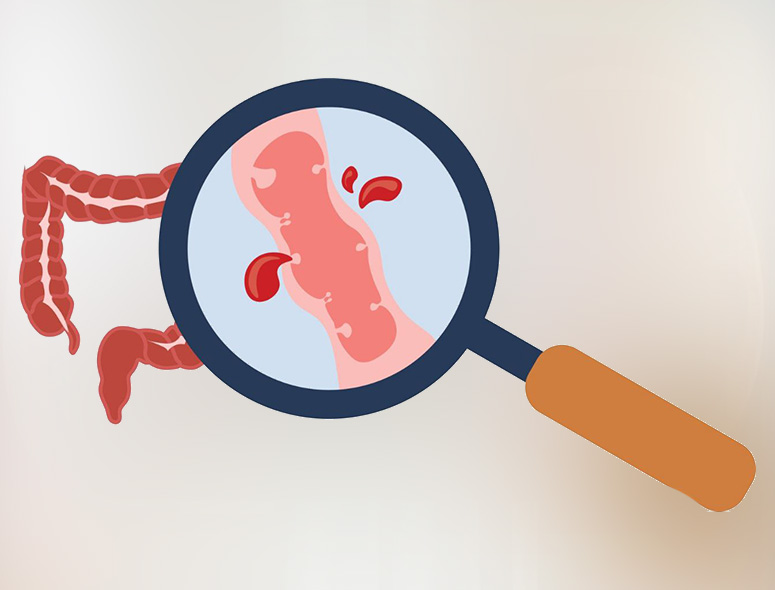
Upper & lower GI bleeding due to portal hypertension
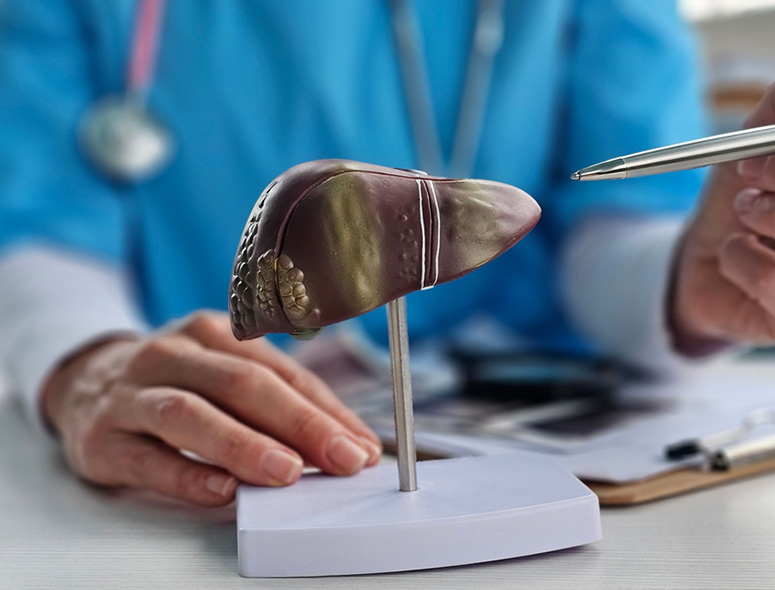
Liver failure
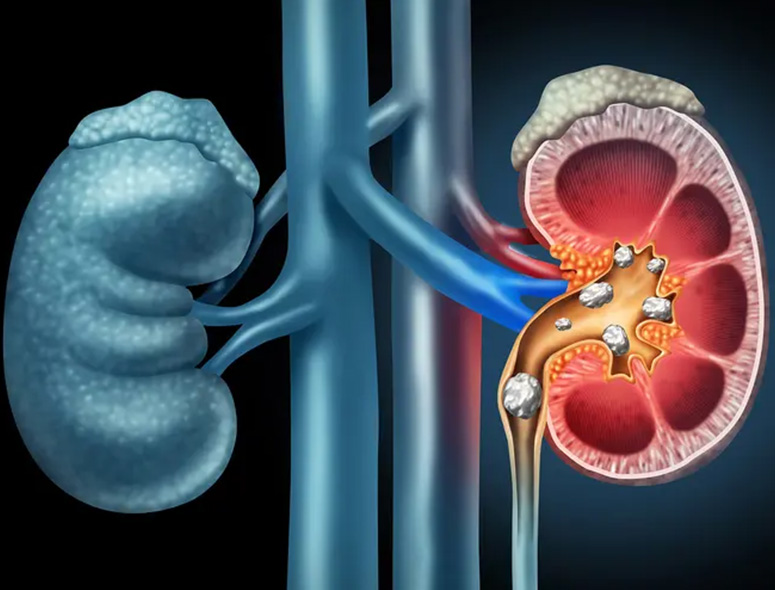
Kidney complications
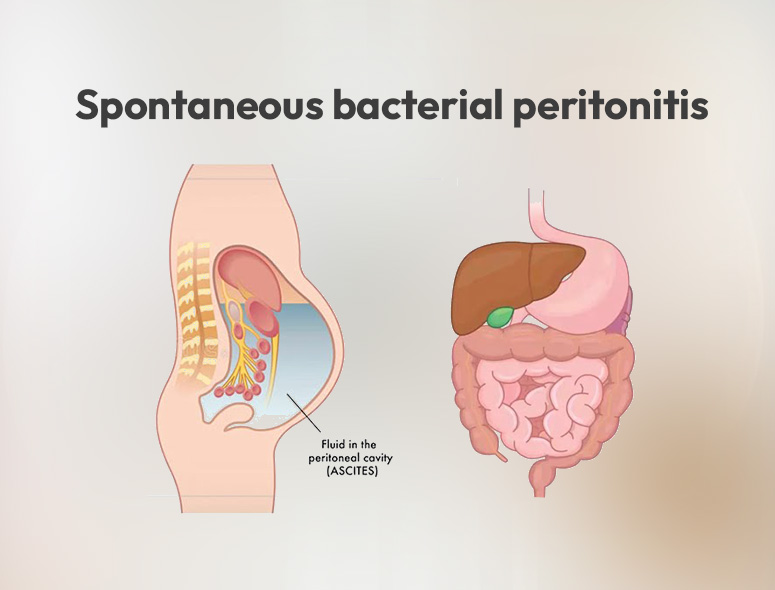
Spontaneous bacterial peritonitis (life-threatening infection)
Why Choose Us?
The Grover Edge
01
World-Class Medical Protocols
Dr. Rajiv Grover adopts international standards of care modelled after leading medical institutes to ensure lasting relief.
02
Science-Backed Methodology
Each treatment plan is evidence-based and rooted in the latest clinical research for improved patient outcomes.

03
Ethical, Compassionate Approach
Our approach incorporates two-way communication, empathy & transparency for improved patient experiences.
04
Advanced Techniques & Treatments
We leverage the latest best practices, advanced techniques and high-end technology for greater accuracy & comfort.
Frequently Asked Questions
The most common cause of Ascites is Liver Cirrhosis, which increases pressure in the liver’s blood vessels (portal hypertension). However, other conditions can also trigger Ascites including heart failure, kidney disease, low protein levels, or certain cancers like ovarian and abdominal cancers.
While Ascites can be effectively managed and significantly reduced, it rarely goes away on its own without treating the underlying cause. While dietary modifications, diuretics and fluid removal (tapping) provide relief, long-term recovery depends on stabilizing the liver, kidney, or heart condition triggering the fluid buildup.
Yes, Ascites can be dangerous and life-threatening if left untreated. The most serious complications of fluid buildup in the abdomen are the pressure it puts on the lungs which causes shortness of breath and the risk of Spontaneous Bacterial Peritonitis (SBP) – a life-threatening infection.
It is critical to get immediate medical help, if you notice any of the following warning signs.
- Rapid weight gain (more than 1 kg per day for 3 days in a row)
- Worsening abdominal pain/ tenderness
- Shortness of breath/ difficulty breathing when lying flat
- Mental changes or sudden confusion
- Any fever above 100.5oF
- Persistent nausea or loss of appetite
While both fat and Ascites cause abdominal swelling, Ascites typically presents itself as a firm, tight watermelon-like belly that may shift when you move. It is often accompanied by rapid weight gain (in days or weeks) and swelling in the ankles or lower legs (Edema). But fat accumulation, on the other hand, happens slowly over months.
Dr. Rajiv Grover, one of the most trusted hepatologists in Ludhiana, leverages a multidimensional, patient-focused approach to effectively manage abdominal fluid retention. The core focus of ascites treatment is to reduce the fluid buildup in the belly in order to prevent long-term complications. The doctor typically uses one or more of the following in your individualized treatment plan based on the root cause and stage of ascites.
- Strict low-sodium diets and limiting salt intake
- Diuretics (water pills) for reducing fluid buildup
- Limiting fluid intake if sodium levels are low
- Complete alcohol avoidance
- Antibiotics for treating infections
- Vaccinations for Hepatitis A & B
- Therapeutic abdominal tapping to safely remove large amounts of fluid
- Transjugular Intrahepatic Portosystemic Shunt (TIPS) to ease pressure in liver veins
- Liver transplantation in severe cases
The most critical rule is to limit/ avoid salt (sodium). Salt acts as a sponge, pulling more fluid into your abdomen. You should strictly limit or avoid:
- Processed and canned foods
- Salty snacks (chips, pickles, papad)
- Bread and salted butter
- Alcohol, which can cause rapid inflammatory spikes and worsen liver dama